Catholic Leadership and Global Diplomacy: A Review of Developments from June 27 to July 5, 2026
The turn of the month from June to July 2026 has marked a significant period of transition and consolidation for the Catholic Church. Following the liturgical peak of the Feast of Saints Peter and Paul, the Holy See has shifted its focus toward the long-term implementation of synodal reforms and an intensified diplomatic role in escalating global humanitarian concerns. This week has been characterized by a dual emphasis on internal ecclesiastical unity and external geopolitical mediation, highlighting the Church’s attempt to remain relevant in a rapidly shifting international landscape.
The Feast of Saints Peter and Paul: A Symbol of Unity and Authority
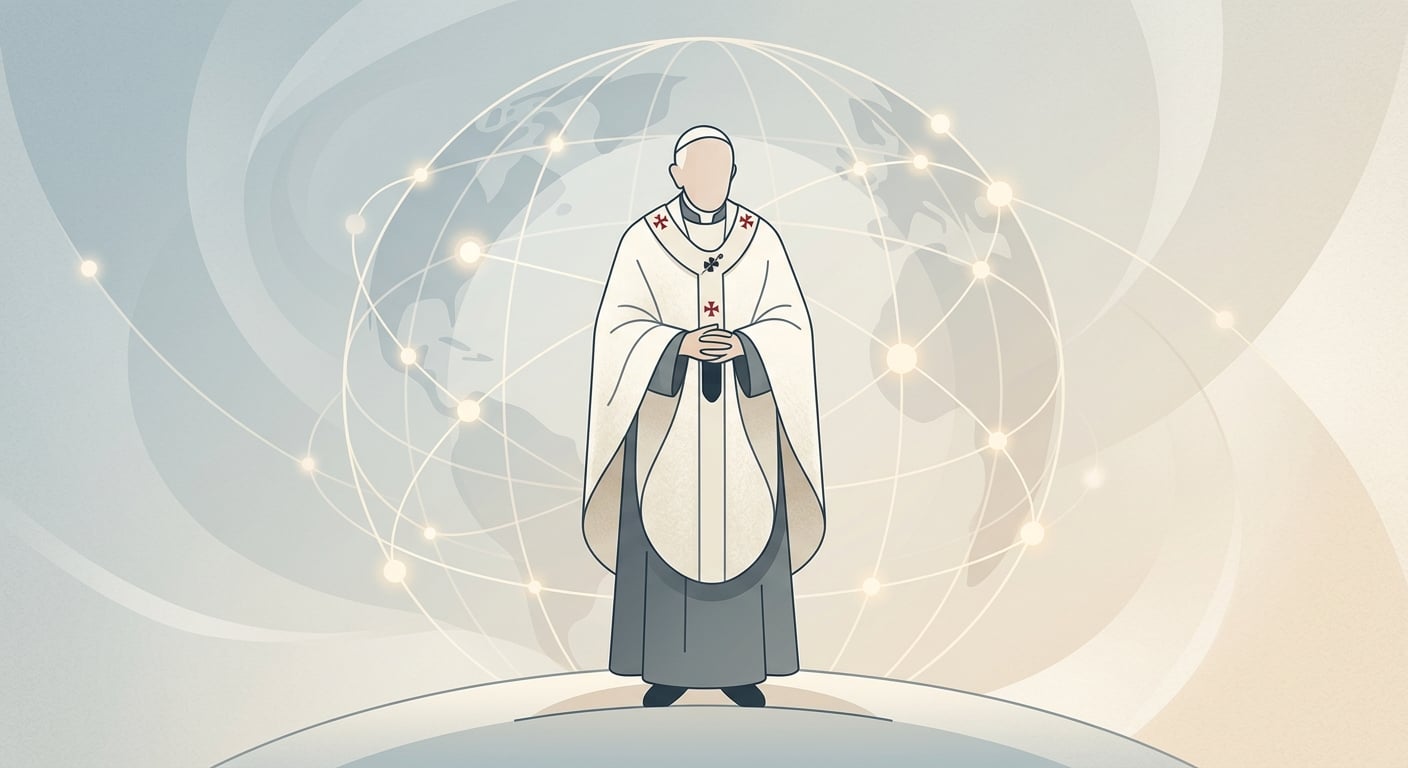
On June 29, 2026, the Vatican observed the Solemnity of Saints Peter and Paul, an event that serves as a cornerstone for Roman Catholic identity. During the traditional Pallium Mass, the Pope conferred the pallium—a white wool vestment symbolizing jurisdictional authority—upon 42 newly appointed metropolitan archbishops from across the globe. This year’s ceremony was particularly noted for the diverse geographical representation of the recipients, with a significant number hailing from the Global South, specifically from burgeoning dioceses in Southeast Asia and West Africa.
In his homily, the Pontiff emphasized the concept of “service-oriented authority,” a theme that has been a hallmark of the post-2025 Jubilee era. Observations from ecclesiastical analysts suggest that this year’s address was more than a spiritual reflection; it served as a strategic reminder of the centralizing role of the Papacy amidst ongoing regional debates regarding local autonomy. By linking the new archbishops directly to the See of Peter, the Vatican continues to reinforce a unified identity even as it delegates more administrative responsibilities to local conferences.
Diplomatic Initiatives and Global Humanitarian Responses
Parallel to the liturgical celebrations, the Holy See’s Secretariat of State has been active on the diplomatic front. Between July 1 and July 4, 2026, high-level delegations were dispatched to mediate in the lingering regional conflicts in Eastern Europe and the Sahel region of Africa. The Vatican’s “neutral party” status was leveraged this week to facilitate a ceasefire dialogue, though official results remain pending.
Advocacy for Refugee Protections
On July 3, the Dicastery for Promoting Integral Human Development released a memorandum addressing the increasing number of climate-displaced persons. The document calls on international bodies to recognize “environmental migration” as a valid category for asylum. This move aligns the Church with progressive international law advocates, positioning the Holy See as a moral critic of current global migration policies. This advocacy serves as a practical application of the encyclicals released earlier in the decade, moving from theological discourse to specific policy recommendations.
Institutional Friction and Regional Tensions
Despite the outward appearance of unity during the Pallium Mass, the past eight days have seen a resurgence of administrative friction. On July 2, reports emerged from Germany regarding the ongoing “Synodal Way.” The German Bishops’ Conference issued a statement seeking further clarification on the limits of lay participation in the selection of bishops, a point of contention that has persisted since the 2023-2024 Synods.
The Contrast Between Roman Centralism and German Reform
The tension between the Roman Curia and the German hierarchy highlights a broader ideological divide within the Church. While Rome utilizes ceremonies like the Pallium Mass to emphasize a top-down hierarchy of communion, the German movement continues to push for a bottom-up structure. This week, the Vatican responded with a cautionary note, urging “patience and adherence to the universal law of the Church,” indicating that while dialogue is open, the limits of structural change are being strictly policed by the Holy See.
Comparative Analysis: Ritual vs. Reality
When comparing the events of late June and early July 2026, a clear pattern emerges. The Church is successfully utilizing its traditional rituals—such as the Feast of Peter and Paul—to maintain a public image of stability and continuity. However, the administrative reality seen in the German disputes and the humanitarian advocacy regarding climate refugees suggests an institution grappling with modernization.
The diplomatic efforts in the Sahel and Eastern Europe provide a sharp contrast to the internal bickering over governance. It appears the Holy See is more effective as an external mediator in global politics than as an internal mediator between its own progressive and conservative factions. The contrast between the “unity of the pallium” and the “diversity of the synodal path” remains the primary challenge for the Vatican as it moves into the second half of 2026.
Key Events and Milestones: June 27 – July 5, 2026
| Date | Location | Event |
|---|---|---|
| June 29, 2026 | Vatican City, Rome | Solemnity of Saints Peter and Paul: Pallium Mass for 42 Archbishops. |
| July 1, 2026 | Geneva, Switzerland | Vatican delegation joins international talks on regional ceasefire mediation. |
| July 2, 2026 | Bonn, Germany | German Bishops’ Conference releases new proposals for lay governance. |
| July 3, 2026 | Vatican City | Release of the Memorandum on Climate-Induced Migration. |
| July 5, 2026 | St. Peter’s Square | Sunday Angelus address focusing on youth engagement and the 2027 World Youth Day roadmap. |
As the Church enters the peak of the summer season, the focus is expected to shift toward the final preparations for the 2027 World Youth Day and the continued evaluation of the synodal reforms. The events of this past week demonstrate that while the Church remains anchored in centuries-old tradition, its daily operations are increasingly defined by modern diplomatic exigencies and internal structural debates.