Catholic Church Global Report: From Padre Pio’s Legacy to Final Synod Preparations
The week leading up to September 23, 2026, has seen the Roman Catholic Church navigate a complex intersection of traditional popular piety and modern administrative reform. As the global community marks the feast of Saint Padre Pio, the Vatican has simultaneously accelerated its diplomatic and synodal efforts, signaling a dual focus on grassroots spirituality and the structural evolution of the Church. This period has been characterized by a notable shift toward stabilizing the reforms introduced over the past decade while addressing emerging geopolitical tensions in Eastern Europe and South America.
Spiritual Devotion and the Feast of Saint Padre Pio
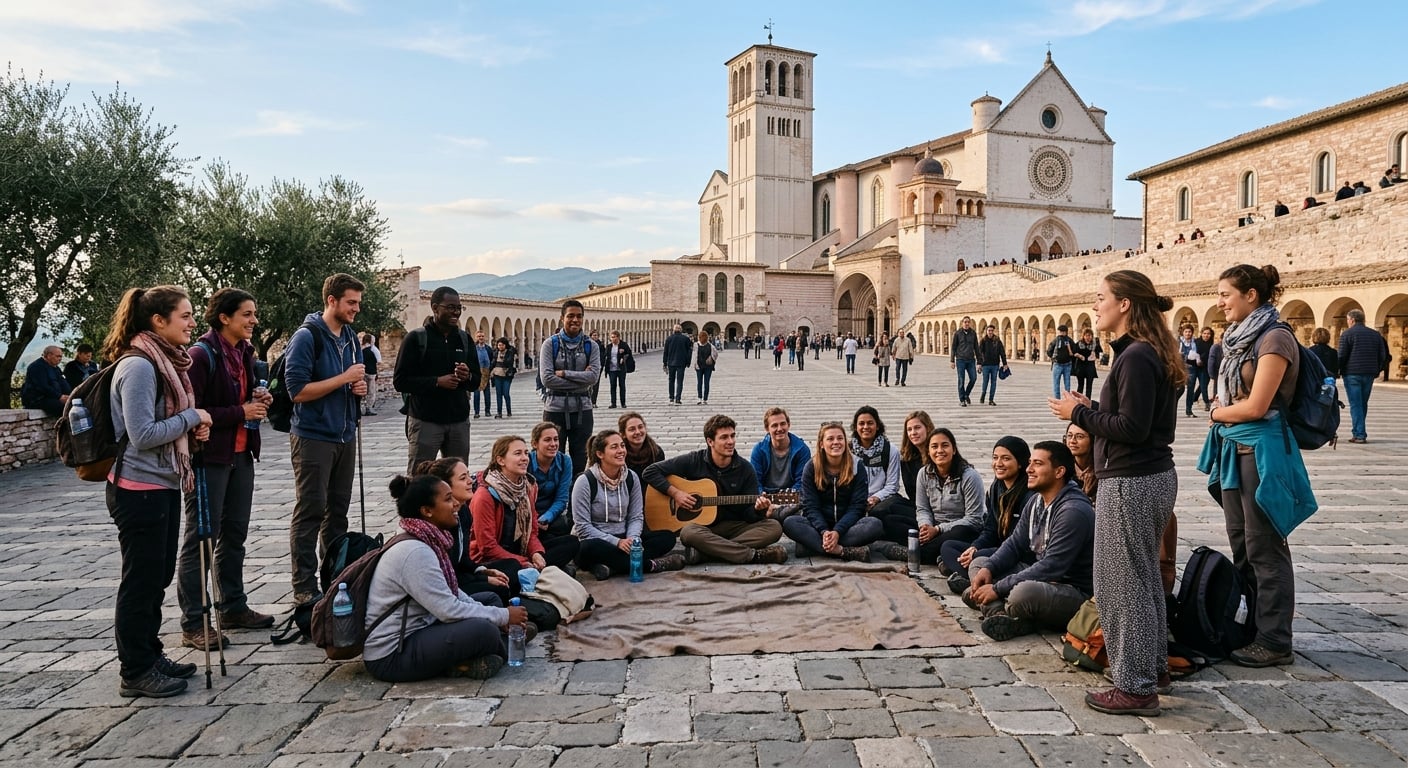
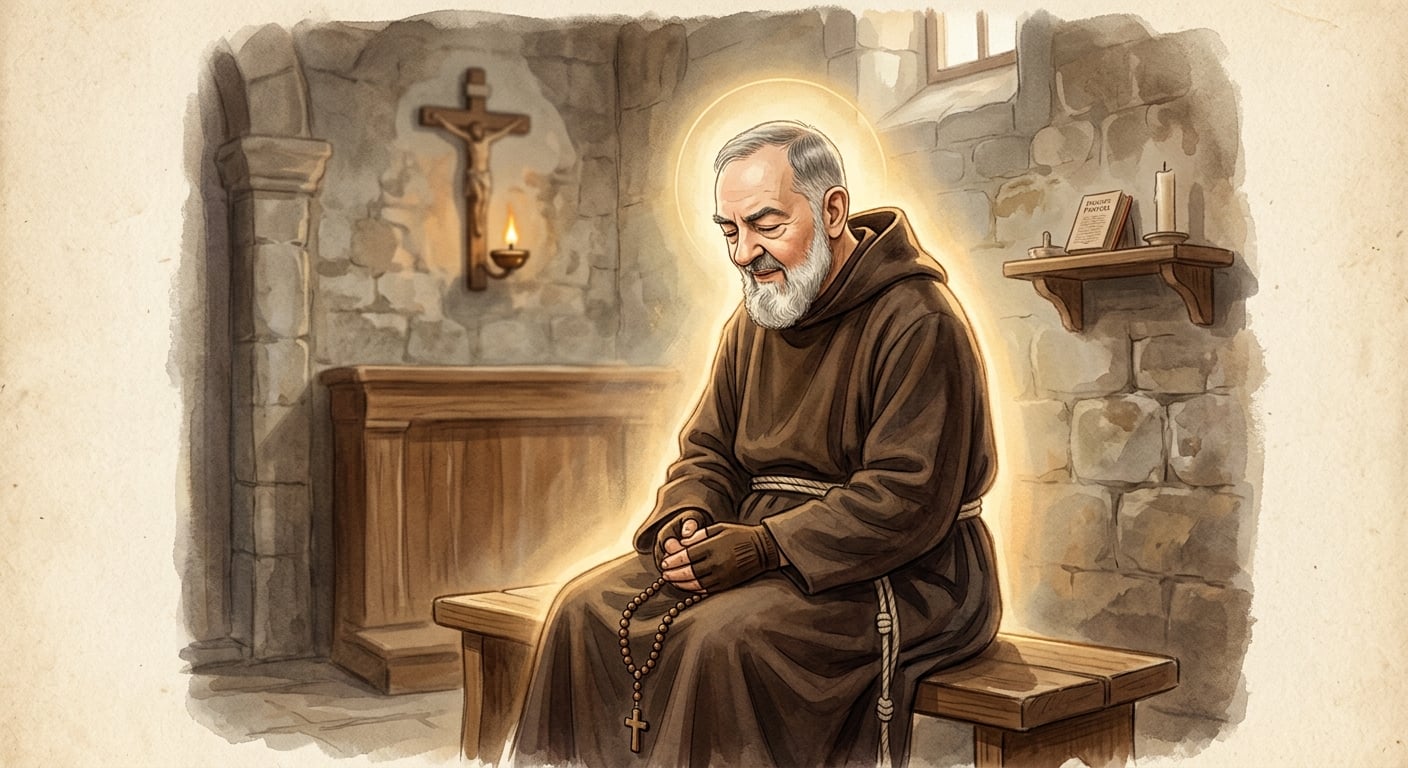
On September 23, 2026, the Church celebrated the feast of Saint Pius of Pietrelcina, commonly known as Padre Pio. In San Giovanni Rotondo, record-breaking crowds were reported, with an estimated 150,000 pilgrims arriving from across the globe. This year’s celebrations emphasized the “healing of the modern mind,” a theme selected by the Capuchin friars to address the growing global mental health crisis. The local ordinary noted that the enduring appeal of Padre Pio in 2026 reflects a persistent desire for tangible, mystical connection in an increasingly digital and secularized society.
Journalistic observation suggests that the surge in attendance at such shrines contradicts broader trends of declining weekly Mass attendance in Western Europe. This indicates a “shrine-based” spirituality that continues to thrive even as traditional parish structures face challenges. The Vatican’s Dicastery for Evangelization released a statement today praising the “vitality of popular piety” as a primary engine for the Church’s continued relevance in the mid-21st century.
Diplomatic Initiatives and Post-Conflict Mediation
Between September 16 and September 21, 2026, the Holy See’s Secretariat of State took center stage in several high-stakes international negotiations. The Vatican’s “soft power” diplomacy was particularly visible in two areas:
Mediation in Eastern European Reconstruction
On September 18, the Holy See hosted a closed-door meeting with representatives from the European Union and regional leaders to discuss the moral and ethical dimensions of post-conflict reconstruction. The Vatican’s focus has shifted from immediate humanitarian aid toward the long-term goal of social reconciliation, emphasizing that “peace without justice is merely a pause in hostilities.” This move highlights the Church’s ongoing role as a neutral mediator in a polarized geopolitical landscape.
Environmental Advocacy in the Amazon Basin
On September 20, the Dicastery for Promoting Integral Human Development published a report detailing the progress of the “Laudato Si’ Action Platform” three years into its expanded phase. The report highlighted new collaborative projects with indigenous leaders in Brazil and Peru. This diplomatic outreach underscores the Church’s commitment to being a “voice for the voiceless” regarding environmental preservation, linking Catholic social teaching directly to international ecological policy.
The Road to the Final Synodal Assembly
As the final preparations for the October 2026 Synodal Assembly begin in Rome, the last eight days have seen a flurry of administrative activity. On September 17, the General Secretariat of the Synod released a “working synthesis” of the final regional discussions. This document suggests that the 2026 session will focus heavily on the decentralization of authority, potentially granting regional bishops’ conferences more autonomy over liturgical adaptations and administrative decisions.
A key development occurred on September 22, when a group of international canon lawyers met at the Gregorian University to discuss the legal implications of these proposed changes. The objective of the gathering was to ensure that any move toward “synodality” remains rooted in existing Catholic tradition while allowing for the “healthy evolution” of Church governance. Observers note that the tension between “renewal” and “preservation” remains the primary internal narrative as the Church approaches the assembly.
Comparative Analysis: Popular Piety versus Structural Reform
An objective analysis of this week’s news reveals a fascinating contrast within the life of the Church. In San Giovanni Rotondo, we see a “bottom-up” Catholicism—uncomplicated, deeply emotional, and focused on the miraculous. In contrast, the diplomatic and synodal meetings in Rome represent a “top-down” approach—intellectual, legalistic, and focused on institutional survival and influence.
While the administrative reforms aimed at decentralization are designed to make the Church more responsive to local needs, it is the traditional devotions like those seen on the feast of Padre Pio that currently demonstrate the most significant organic growth. The challenge for the Church leadership in the coming months will be to bridge this gap, ensuring that the structural changes decided in the Synod halls resonate with the millions of faithful who find their primary connection to the faith through the saints and the sacraments rather than through ecclesiastical policy.
Key Events Summary: September 15 – September 23, 2026
| Date | Location | Event |
|---|---|---|
| September 17, 2026 | Vatican City | Release of the final pre-Synod “Working Synthesis” document. |
| September 18, 2026 | Rome, Italy | High-level diplomatic summit on Eastern European social reconciliation. |
| September 20, 2026 | Amazon Region | Publication of the three-year progress report on Laudato Si’ initiatives. |
| September 22, 2026 | Rome, Italy | Canon Law conference on the decentralization of Church authority. |
| September 23, 2026 | San Giovanni Rotondo | National feast day of St. Padre Pio with 150,000 pilgrims in attendance. |