A Week of Quiet Witness: Catholic Public Life in Dialogue and Dignity
In a week where headlines were sparse under our filtering, the deep rhythm of Catholic public witness—charity, prudence, and a commitment to the common good—continues to shape how we engage the world.
Week of September 21–27, 2025
A Week of Quiet Public Witness
Sometimes a week yields more in tone than in headline. The cadence of Catholic life is not merely about breaking news; it is about the steady, quiet work of formation, dialogue, and patient witness in the public square. This week invites us to reflect on how the Church, in its ordinary conversations with neighbors, colleagues, and friends, testifies to the dignity of every person and to the truth that mercy and justice walk hand in hand. The flood of sudden headlines can blur the enduring story of a people called to heal divisions, to listen first, and to offer thoughtful, compassionate engagement rather than quick judgments. The Gospel admonition to love one’s neighbor remains the backbone of how Catholics answer calls to public life—through temperate speech, steadfast charity, and a commitment to the common good that honors the worth of the other, even when there are sharp disagreements about policy or culture.
In practical terms, that means choosing the path of civil discourse over rancor, of truth-telling tempered by mercy, and of brave but prudent public engagement. It means recognizing that dialogue is a spiritual discipline as much as a political one, and that the most lasting impact often comes not from the loudest voice but from the patient, consistent witness of ordinary faithful people in workplaces, schools, parishes, and neighborhoods. This week’s quiet rhythm invites pastors, lay leaders, and readers to cultivate the habits that sustain public life: clarity of conscience, fidelity to the Gospel, and a readiness to listen before speaking. In the end, the Church’s public life is measured not by momentary outrage but by the slow, steady formation of hearts and communities toward truth and charity.
The Art of Civil Dialogue in a Fragmented Age
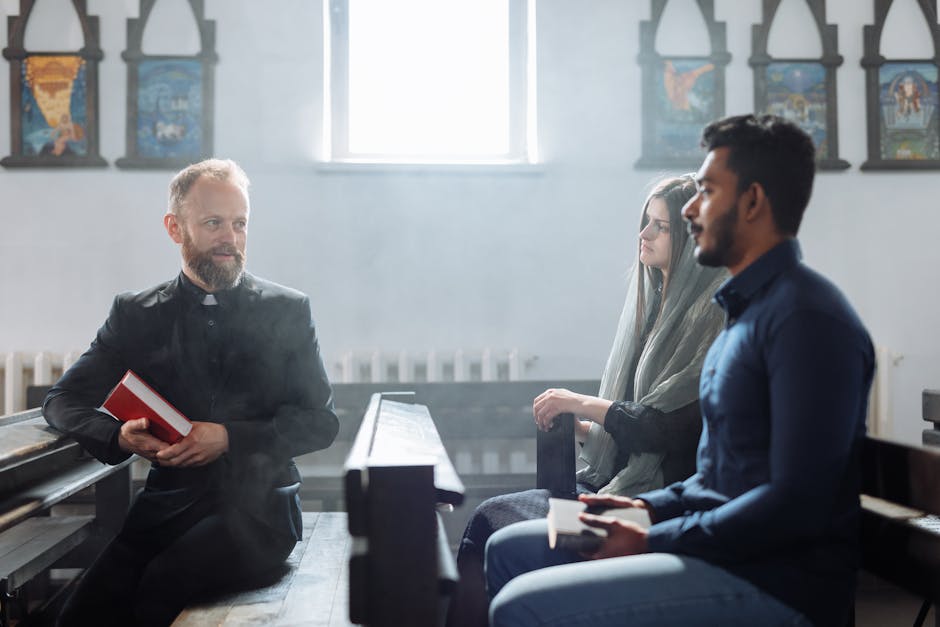
We live in a time when conversations across lines of difference can easily fracture into confrontation. Yet the Catholic imagination offers a way forward built on the ancient understanding that truth and love are not enemies but companions. This week’s reflection centers on how we, as Catholics, can model civil dialogue in ways that elevate the common good without sacrificing fidelity to deeply held convictions. The art of conversation begins with listening—really listening—to the perspectives of others, especially those with whom we disagree. Listening becomes a form of prayerful discernment when it occurs within the framework of Christian charity, where the goal is not to win an argument but to discern truth together and to extend mercy where wounds exist.
Prudence accompanies that listening: recognizing when to press forward with a well-argued position and when to seek common ground for the sake of communal welfare. In practice, prudence means choosing timing, tone, and channels that honor the dignity of every person involved. It also means acknowledging the legitimate concerns that people bring to public life, including fears about change, security, and the impact of policy on the vulnerable. The Catholic witness, then, becomes a model of patient advocacy—clear about moral boundaries, steadfast in moral formation, and generous in the posture toward others who are made in the image of God but see the world differently. By embodying this approach in parishes, schools, and civic initiatives, the Church shows how faith can animate public life without compromising fraternal charity.
Dialogue of this kind is not abstract; it takes form in concrete acts: a parish-hosted town hall that invites diverse voices, a school study on social doctrine that engages families across backgrounds, or a local service project that unites volunteers from different communities around a common good. In these spaces, the Christian message shines most clearly when it is not merely preached but carried into action—acts of service, mercy, and solidarity that reveal the face of Christ to the world. The week’s reflection thus invites us to see public life as a field for spiritual formation as much as a stage for policy debate, where every conversation is an opportunity to bear witness to the Gospel’s call to justice and mercy.
Looking Ahead
In the days to come, we will continue to monitor how Catholics across parishes and dioceses engage public life with integrity and love. While headlines ebb and flow, the call to form consciences, to teach the faith, and to serve the needs of neighbors remains constant. Readers are encouraged to bring this week’s reflections into ordinary rhythms: prayers for wisdom in leadership, acts of charity toward those most in need in their own communities, and conversations that model the patience and courage required by genuine dialogue. The Church’s public life is sustained by the daily witness of Catholics who choose mercy, pursue truth, and build bridges where suspicion and division once stood.
In sum, this week reminds us that the strength of Catholic public life lies not in sensational moments but in the quiet fidelity to the Gospel—the unwavering commitment to treat every person with dignity, to seek truth with charity, and to pursue the common good through patient, principled engagement in the world God has entrusted to us.
May our week ahead be marked by those small, steady choices that honor God and bless our neighbors, so that the light of the Gospel might illuminate the common good in ever brighter ways.