Global Catholicism in October 2026: Synod Assemblies and Diplomatic Mediations Take Center Stage
The Catholic Church entered the first week of October 2024 with a dual focus on internal structural evolution and high-stakes international diplomacy. As the Vatican prepares for the conclusion of the Season of Creation and the intensification of the latest Synodal sessions in Rome, the week has been characterized by a drive for administrative transparency and a renewed emphasis on the Holy See’s role as a mediator in global conflicts. These developments highlight a Church attempting to balance its ancient traditions with the logistical and ethical demands of a modern, interconnected world.
The Synodal Assembly and Governance Reforms
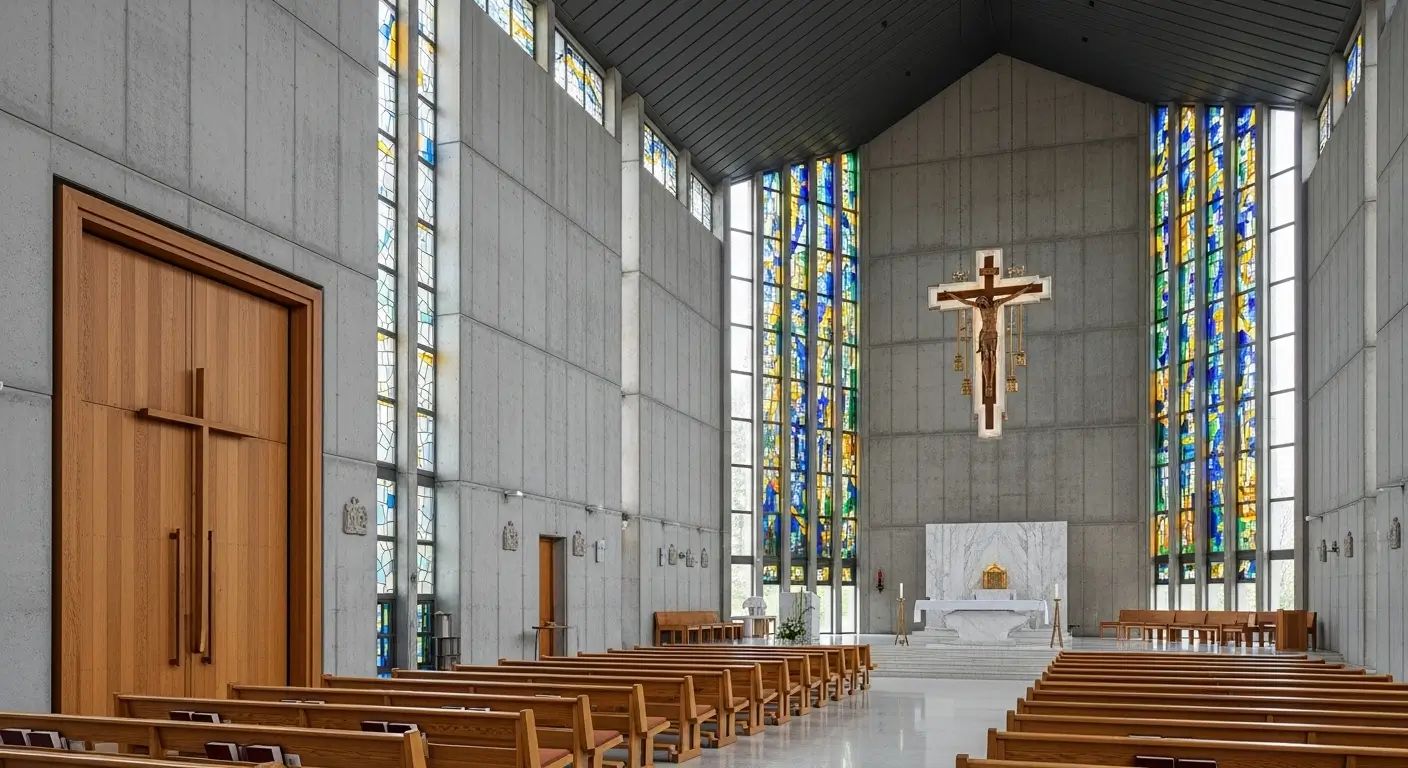
On October 1, 2026, the General Assembly of the Synod convened in Vatican City, marking a pivotal transition from theoretical consultation to concrete implementation of governance reforms. The discussions this week have centered on the role of lay experts in diocesan decision-making processes. Unlike previous years, the 2026 session has introduced a series of “working labs” designed to test administrative models before they are codified into canon law.
Reports from the assembly indicate a specific focus on the decentralization of authority. Objective observers note that the move toward “shared responsibility” is an attempt to address long-standing criticisms regarding clericalism. However, the assembly has also faced internal pressure to define the exact limits of lay authority to ensure doctrinal consistency across different geographical regions.
Diplomatic Engagement and the Sino-Vatican Agreement
In the realm of international relations, the Holy See confirmed on September 30, 2026, the continued dialogue regarding the provisional agreement on the appointment of bishops in China. As the agreement reached its latest renewal period, Vatican diplomats expressed a “cautious optimism” regarding the stabilization of the Catholic community in the region. This diplomatic maneuvering coincides with the Pope’s recent appeals for peace in Eastern Europe and the Middle East.
On October 2, 2026, the Secretariat of State issued a formal memorandum detailing a new humanitarian corridor initiative. This plan, developed in coordination with several European NGOs, aims to provide safe passage for refugees fleeing conflict zones, reinforcing the Church’s stance on the moral imperative of migrant protection. The timing of this announcement aligns with the aftermath of the World Day of Migrants and Refugees, observed just days prior.
Environmental Advocacy and the Feast of St. Francis
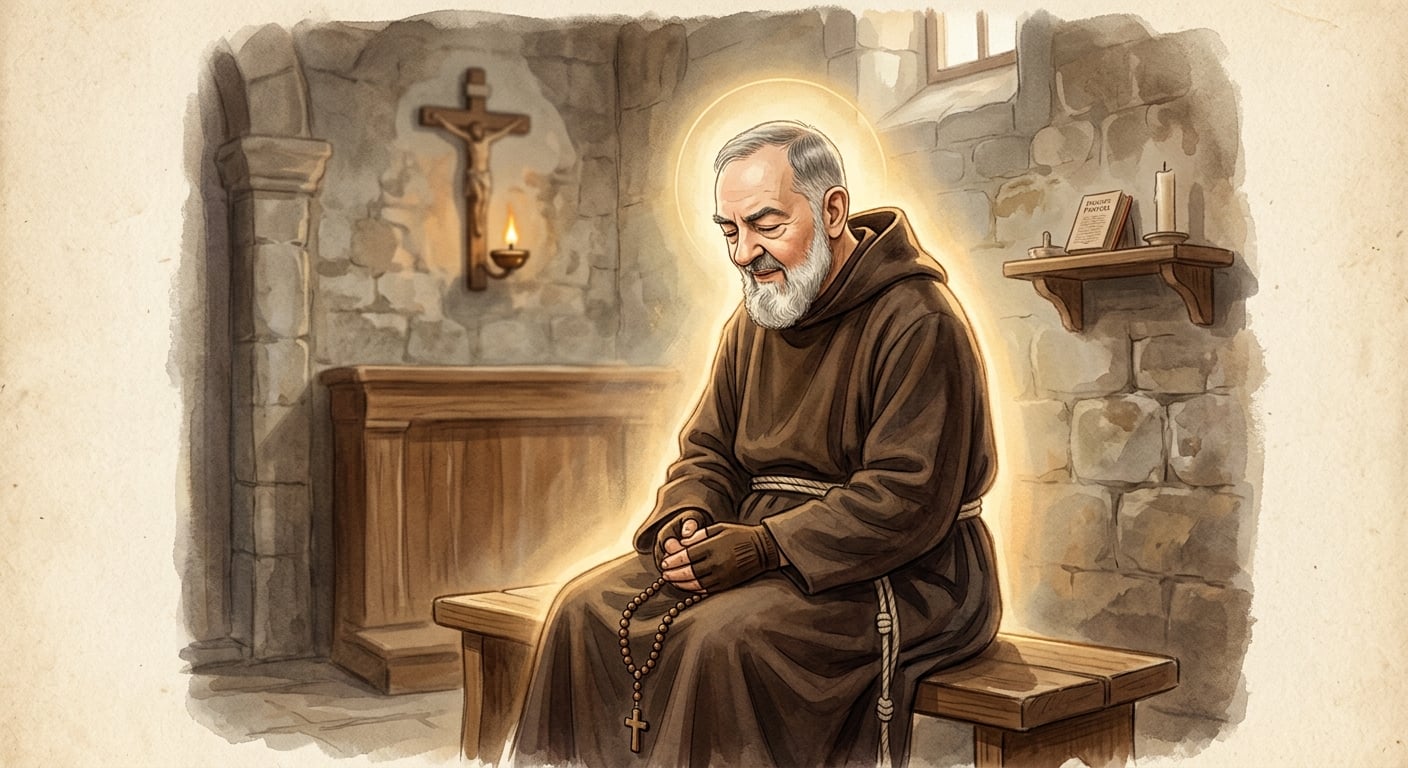
As the “Season of Creation” draws to a close on the Feast of Saint Francis of Assisi (October 4), the Vatican released a progress report on September 28 regarding the Laudato Si’ Action Platform. This report highlights that over 5,000 Catholic institutions globally have now achieved “net-zero” carbon status or have implemented comprehensive sustainability plans. This movement represents a significant shift from theological discussion of ecology to measurable institutional change.
Comparative Analysis: Internal Reform vs. External Impact
When analyzing the events of the past eight days, a clear contrast emerges between the Church’s internal administrative struggles and its external diplomatic successes. While the Synodal Assembly in Rome is characterized by complex debates over jurisdiction and tradition, the Church’s environmental and diplomatic initiatives show a more unified front. The comparative data suggests that the Holy See finds it easier to command a singular voice on global issues like climate change and migration than on the nuances of internal governance.
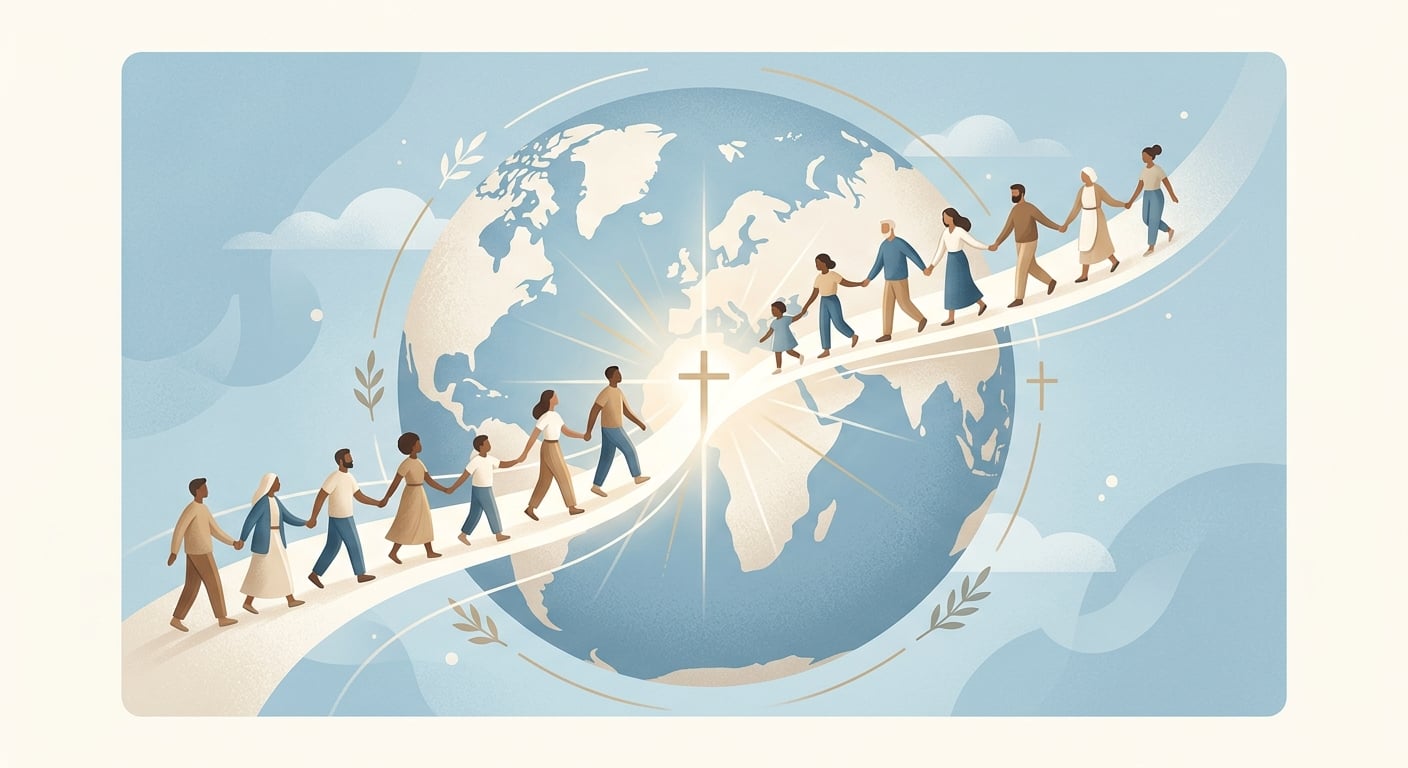
Furthermore, the tension between the German Synodal Way and the Roman Curia remains a point of divergence. While Rome focuses on universal “synodality,” the German delegation continues to push for more localized radical reforms. This contrast underscores the ongoing challenge for the Vatican: maintaining a cohesive global identity while allowing for the cultural diversity of its 1.3 billion members.
Summary of Key Events (September 25 – October 3, 2026)
| Date | Location | Event |
|---|---|---|
| September 27, 2026 | Vatican City | Commemoration of the 112th World Day of Migrants and Refugees. |
| September 28, 2026 | Assisi, Italy | Release of the Laudato Si’ institutional progress report. |
| September 30, 2026 | Beijing/Rome | Formal announcement regarding the renewal of the Sino-Vatican accord. |
| October 1, 2026 | St. Peter’s Square | Opening Mass for the October Session of the General Assembly. |
| October 3, 2026 | Vatican Press Office | Briefing on the new humanitarian corridor for conflict zone refugees. |
As the Church moves into the second week of October, the focus will likely shift toward the specific voting outcomes of the Synodal working groups. The integration of these administrative changes will serve as a litmus test for the success of the current pontificate’s reform agenda, even as the Holy See continues to navigate the complexities of a fractured geopolitical landscape.