Praying for Christian unity becomes more demanding when we learn the history behind Christian divisions. St. Josaphat’s life belongs to that difficult history. Remembering him well requires both respect for his Catholic witness and care in speaking about other Christians.
Who was St. Josaphat?
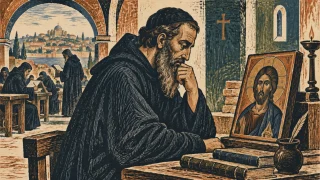
Josaphat Kuncewicz was a monk and bishop in the early seventeenth century, associated with the Eastern Christian communities united with Rome following the Union of Brest. He became archbishop of Polotsk and worked for ecclesial unity amid intense religious and political tensions. He was killed in Vitebsk in 1623. Catholics commemorate him on November 12. Vatican News gives the outline of his life.
Begin with accurate names
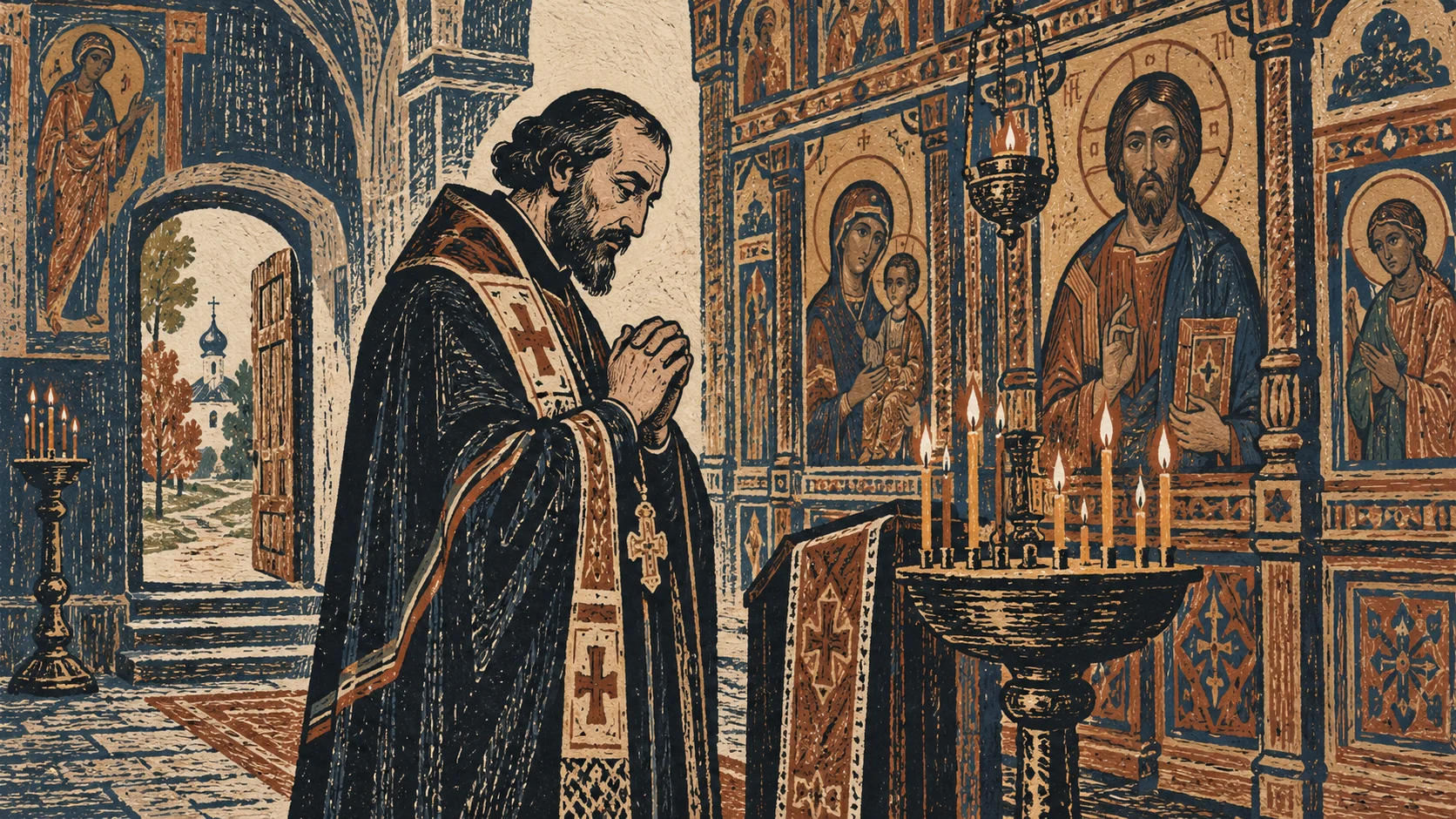
Eastern Catholic and Eastern Orthodox are not interchangeable terms. A first step toward respectful conversation is learning how a community describes itself. Avoid assuming that every Catholic church follows the same liturgical customs as a Latin parish in the United States.
If you visit another Christian community, read its own explanation of its worship and ask about appropriate participation. Observe respectfully. Questions offered with genuine curiosity are more helpful than comparisons designed to establish which community looks most familiar.
How to discuss a painful religious history
A saint’s biography can make a conflict seem simple because it follows one person’s life. The people around that person had their own memories, fears, and convictions. Learning about them does not require abandoning Catholic belief. It requires taking historical complexity seriously.
- Distinguish what a source documents from what it interprets.
- Notice whether a writer describes an entire community through the actions of a few people.
- Be cautious with dramatic quotations that appear without a source.
- Read accounts from the communities involved when studying the wider conflict.
For a parish group, it may be better to discuss one carefully chosen passage than to attempt a complete history in a single evening. Write down unanswered questions and look for qualified sources together.
A small practice of unity
Name a Christian neighbor, relative, or coworker with whom you share a concern. Perhaps you both care about a family in difficulty or a local food program. Ask whether there is a practical way to help together, while respecting the convictions and boundaries of each person.
In prayer, ask for truthfulness, charity, and the patience to listen. Avoid using prayer as an indirect argument addressed to someone sitting nearby. A sincere intention for unity begins with the way we speak to and about one another.
What to carry from Josaphat’s feast
His commemoration can prompt both gratitude and study. Learn one thing you did not know about an Eastern Christian tradition. Then let that knowledge make a real encounter more respectful. Unity is a serious Christian hope, and careful words are one ordinary way to honor it.