Introduction
Ordinary Men Chosen by Jesus
The twelve apostles were ordinary men chosen by Jesus to become His closest followers and to carry on His ministry. In the Gospels, we meet Peter, James (son of Zebedee), John, Andrew, Philip, Bartholomew (also known as Nathanael), Matthew, Thomas, James (son of Alphaeus), Thaddeus (Judas son of James), Simon the Zealot, and Judas Iscariot.
Unique Personalities and Shared Purpose
Each man had a unique personality and role in Jesus’ ministry, and each shared an intimate relationship with Jesus and with one another. They traveled together, learned through successes and failures, and were personally mentored by the Lord. In these devotional narratives, we explore each apostle’s character, key biblical moments, and what sets him apart, highlighting how Jesus related to them and how they related to each other. Through their stories, we find reflections of our own spiritual journeys and the transformative power of walking with Christ.
Peter (Simon Peter)

The Fisherman Called “Rock”
Peter stands out in Scripture as a natural leader among the twelve and one of Jesus’ dearest friends. Born Simon, a fisherman from Galilee, he was nicknamed Peter (“rock”) by Jesus (John 1:42). Peter was an outspoken and ardent disciple, known for being “enthusiastic, strong-willed, impulsive, and, at times, brash.” He often spoke or acted first and thought later – sometimes landing himself in trouble due to his bold eagerness. Yet Peter’s passion for Jesus was undeniable. When Jesus called Peter and his brother Andrew to follow, Peter “left everything” immediately (Luke 5:10–11) and became the “pillar” of the early church.
Key Moments of Faith and Failure
Key moments in Peter’s biblical story paint a portrait of zeal tempered by Jesus’ grace. When Jesus came walking on water, it was Peter who jumped out of the boat to meet Him – an act of daring faith that quickly turned to fear as Peter began to sink, needing Jesus to save him (Matthew 14:28–31). In moments like these, Peter’s mix of courage and human weakness was on full display. He was the first disciple to recognize Jesus as the Messiah, boldly declaring, “You are the Christ, the Son of the living God” (Matthew 16:16). Jesus commended this insight as divinely revealed, yet soon after had to rebuke Peter for misunderstanding the kind of Messiah Jesus would be (Peter impulsively insisted Jesus should not suffer, earning the sharp reply, “Get behind me, Satan,” in Matthew 16:22–23). Peter’s relationship with Jesus was marked by such candid interactions – he wasn’t afraid to speak his mind, and Jesus wasn’t shy about correcting him.
Restoration and Transformation
On the night of the Last Supper, Peter vowed never to abandon Jesus, but within hours he infamously denied knowing Jesus three times out of fear (Luke 22:33–34, 54–62). That heartbreaking failure could have defined Peter, but the resurrected Jesus lovingly restored him. By the Sea of Galilee, Jesus thrice asked Peter “Do you love Me?”, allowing Peter to affirm his love and commissioning him to “Feed my sheep,” restoring Peter’s identity and calling (John 21:15–19). This tender forgiveness solidified Peter’s transformation. With the coming of the Holy Spirit, the same man who had once cowered in denial became a fearless preacher at Pentecost and the first to proclaim the gospel to the Gentiles (Acts 2:14–41, Acts 10).
Impetuous Passion Turned to Steadfast Leadership
What sets Peter apart is this dramatic journey from rashness to rock-like faith – a testimony that God can mold impetuous passion into steadfast leadership. Peter’s story encourages us that despite our failings, Jesus patiently refines us, turning even our weaknesses into strengths for His purposes.
James (son of Zebedee)
Part of the Inner Circle
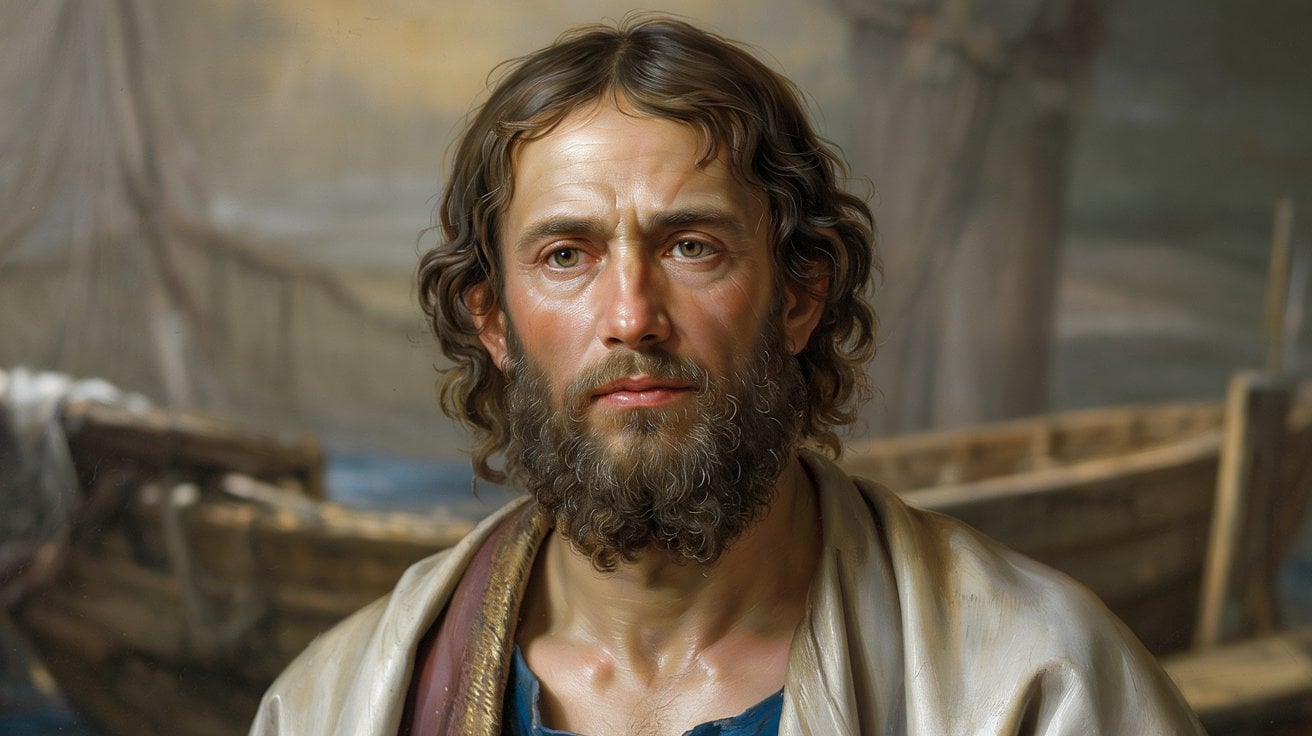
James, the son of Zebedee, is introduced in the Gospels as one of the fishermen (with his brother John) who left their father’s boat to follow Jesus (Matthew 4:21–22). Along with Peter and John, James became part of Jesus’ inner circle of three. He witnessed pivotal moments that most others did not – Jesus raising Jairus’ daughter from the dead, the astonishing glory of the Transfiguration on the mountaintop, and Jesus’ agony in the Garden of Gethsemane (Mark 5:37; Matthew 17:1–2; Mark 14:33). This closeness to Jesus indicates James’ deep devotion and importance among the twelve.
A “Son of Thunder”
Jesus gave James and John a special nickname: “Boanerges,” meaning “Sons of Thunder” (Mark 3:17). This moniker hints at the fiery personality of the two brothers, who were characterized by “zeal, passion, and ambition.” James was likely bold and outspoken, much like his younger brother John, and their intense temperaments occasionally showed. One key episode revealing James’ character is when he and John, in their zeal, asked Jesus for positions of highest honor in His coming kingdom – to sit at His right and left hand in glory (Mark 10:35–37). This request, born of ambition, stirred up tension with the other disciples, who were angered by the brothers’ attempt to outrank them. Jesus gently corrected them all, teaching that greatness in His kingdom comes through humility and service, not grasping for power (Mark 10:42–45).
From Fiery Zeal to Faithful Witness
Another incident preserved James’ reputation as a “Son of Thunder”: when a Samaritan village rejected Jesus, James and John offered to call down fire from heaven to destroy the town in judgment! (Luke 9:52–54). Jesus rebuked their vengeful impulse, reminding them that His mission was to save lives, not to destroy them. Through such interactions, Jesus was shaping James’ zeal to be channeled by love and grace rather than anger.
In the Book of Acts, James, son of Zebedee, is the first of the Twelve to be martyred for his faith. King Herod Agrippa I had James put to death by the sword, sparking a persecution against the early church (Acts 12:1–2). James’ willingness to face martyrdom fulfilled Jesus’ prophecy that James would indeed drink the same “cup” of suffering as his Master (Mark 10:39).
What sets James apart is that he was a man of great fervor – a passionate leader-in-the-making whose impetuous thunder was tempered by Christ. His life reminds us that Jesus knows our nature and patiently teaches us to balance courage with compassion. James’ boldness, once refined, made him a fearless witness for the gospel. Though his ministry was cut short, his legacy lives on as someone who was transformed from fiery to faithful, willing to lay down his life for the Lord he loved.
John (son of Zebedee)

The Disciple Whom Jesus Loved
John, the younger brother of James, is another of Jesus’ inner circle and is often identified as “the disciple whom Jesus loved” (John 13:23). Like James, John started out as a “Son of Thunder,” brimming with youthful zeal. Early on, John could be rash, intolerant, and quick to act. For example, he once forbade a stranger from casting out demons in Jesus’ name because the man was not part of their group – a stance Jesus corrected: no one doing good in Christ’s name is against Him (Mark 9:38–40). John also joined James in the ill-conceived plan to call fire on a Samaritan village and in the ambitious bid for special honor in the kingdom (Luke 9:54, Matthew 20:20–24).
Fiery Devotion Refined by Christ
These incidents show John’s fiery devotion that at times lacked understanding or love. He was impetuous and aggressive in his younger days, and Jesus had to rebuke and refine him, just as with his brother. Yet John’s heart for Jesus was sincere – he was fiercely loyal to his Lord and hungry for truth, even if his zeal was misdirected at first.
From Son of Thunder to Apostle of Love
As John spent more time with Jesus, we see a beautiful transformation. By the Last Supper, John had drawn so close to Jesus that he leaned against Jesus’ chest as they reclined at table (John 13:23–25). He was one of the few disciples who stood by Jesus at the cross, even when others fled. In fact, Jesus entrusted the care of His mother Mary to John as He was dying (John 19:25–27) – a sign of the immense trust and love between Jesus and John.
In the years that followed, John became known as the “apostle of love.” His writings (the Gospel of John and his epistles) overflow with themes of love, truth, and remaining in Christ. John often refers to love – both God’s love for us and our call to love one another – more than any other disciple. Importantly, John balanced love with truth. In his letters, he fiercely warns against false teachers and “antichrists” who deceive the flock, showing that his zeal for truth never diminished.
What sets John apart is this journey from fiery zealot to loving elder statesman. He lived a very long life (according to tradition, the only apostle to die of old age), giving him time to mature fully in Christ. The once ambitious young man learned humility and gentleness. It was John, after all, who recorded Jesus washing the disciples’ feet – a lesson in servant-hearted love that surely impacted him deeply (John 13:4–17). By the end of the New Testament, we see John as a tender shepherd of God’s people, writing with fatherly affection (“my dear children”) and urging believers to “love one another” (1 John 4:7). Yet he remained bold for the truth until the end.
John’s relational dynamic with Jesus was one of intimacy and trust, and with his fellow disciples he evolved from competitive to compassionate. His life teaches that zeal must be balanced by love, and that closeness with Christ will transform our harsh edges into channels of grace. John’s legacy is a reminder that “speaking the truth in love” (Ephesians 4:15) is the mark of a mature disciple.
Andrew
The First to Bring Others to Jesus
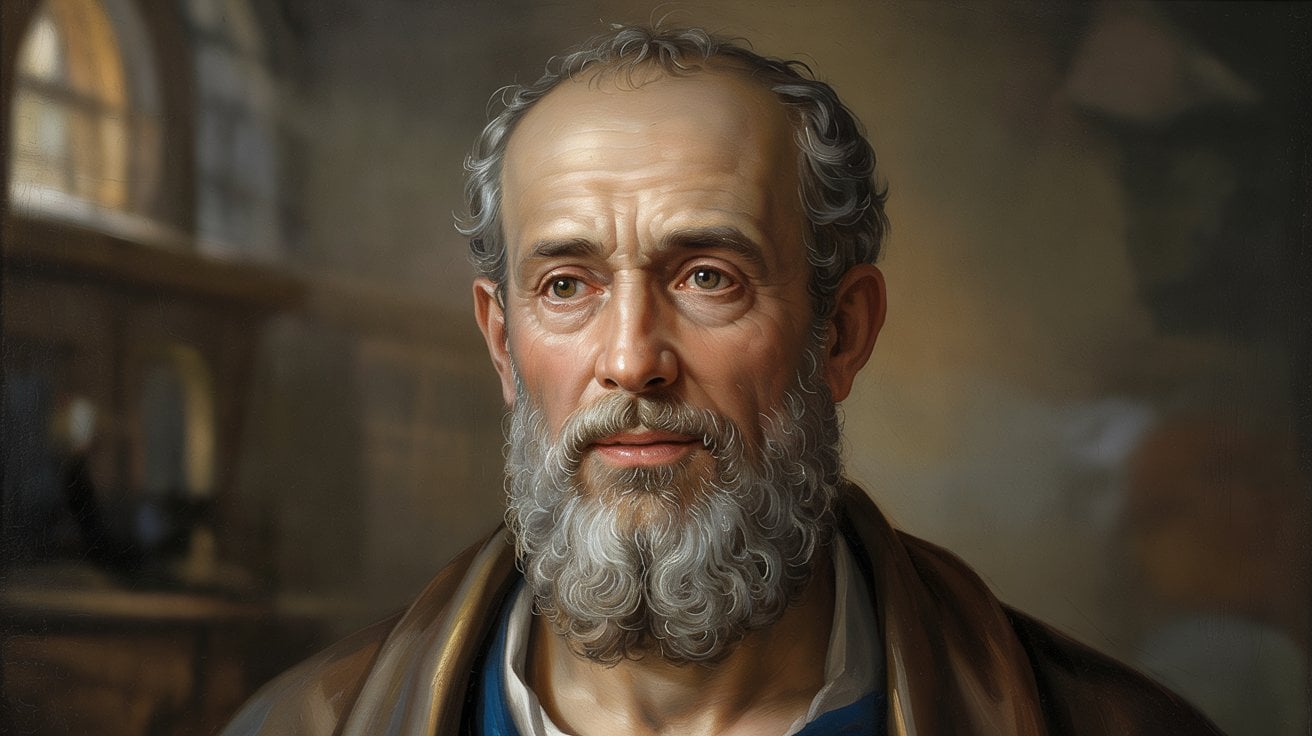
Andrew is often introduced simply as “Simon Peter’s brother,” but his quiet influence in the Gospels is profound. He was one of the first two people ever to follow Jesus. In fact, Andrew was the first to bring another person to Jesus: after he met Jesus, “the first thing Andrew did was to find his brother Simon and tell him, ‘We have found the Messiah’… And he brought him to Jesus” (John 1:41–42). This defining act reveals Andrew’s heart: he eagerly accepted Jesus as Messiah and immediately invited others – even his own bold big brother – to know the Lord.
A Quiet Background Influencer
Before following Jesus, Andrew had been a disciple of John the Baptist (John 1:35–40), showing his spiritual seeking. Once Jesus called him, Andrew, like Peter, left his fishing nets without hesitation (Matthew 4:19–20). However, Andrew never seeks the spotlight; he seems content to work in the background, connecting people to Christ.
Faithful Service in Small Acts
Throughout the Gospels, Andrew appears at key moments often as a bridge for others. It was Andrew who noticed a boy in the crowd with five loaves and two fish and brought the boy to Jesus, facilitating the miracle of feeding the 5,000 (John 6:8–9). Andrew didn’t know how the little lunch could help, even remarking “but what are they for so many?” – yet he still brought the child forward, demonstrating faith in Jesus’ power. Later, when a group of curious Greeks wanted an introduction to Jesus, they came to Philip, and Philip in turn consulted Andrew. Together Andrew and Philip brought the request to Jesus (John 12:20–22). Again Andrew is a connector, willing to help outsiders meet the Lord.
Humble Devotion and Evangelistic Spirit
Andrew’s personality comes across as humble, faithful, and observant. He was not as prominent in the group as Peter, James, or John, but he was every bit as devoted. He seemed satisfied to support others’ ministry – even if it meant his famous brother Peter would overshadow him – because the result was people coming to Christ.
In the list of apostles, Andrew is usually among the first four, indicating his importance, yet he rarely speaks in the narratives. Relationally, Andrew appears to be a peacemaker and team player. What sets Andrew apart is this quiet evangelistic spirit; he shows that not all disciples are loud leaders – some, like Andrew, faithfully serve in the background, bringing others to Jesus through simple, relational means. In a sense, Andrew’s discipleship was characterized by small acts that had huge impact. His life invites us to value the one-on-one ministry of introducing people to Christ. No crowds or acclaim are needed – just a willing heart to say, “Come and see.”
Philip
A Methodical and Pragmatic Disciple
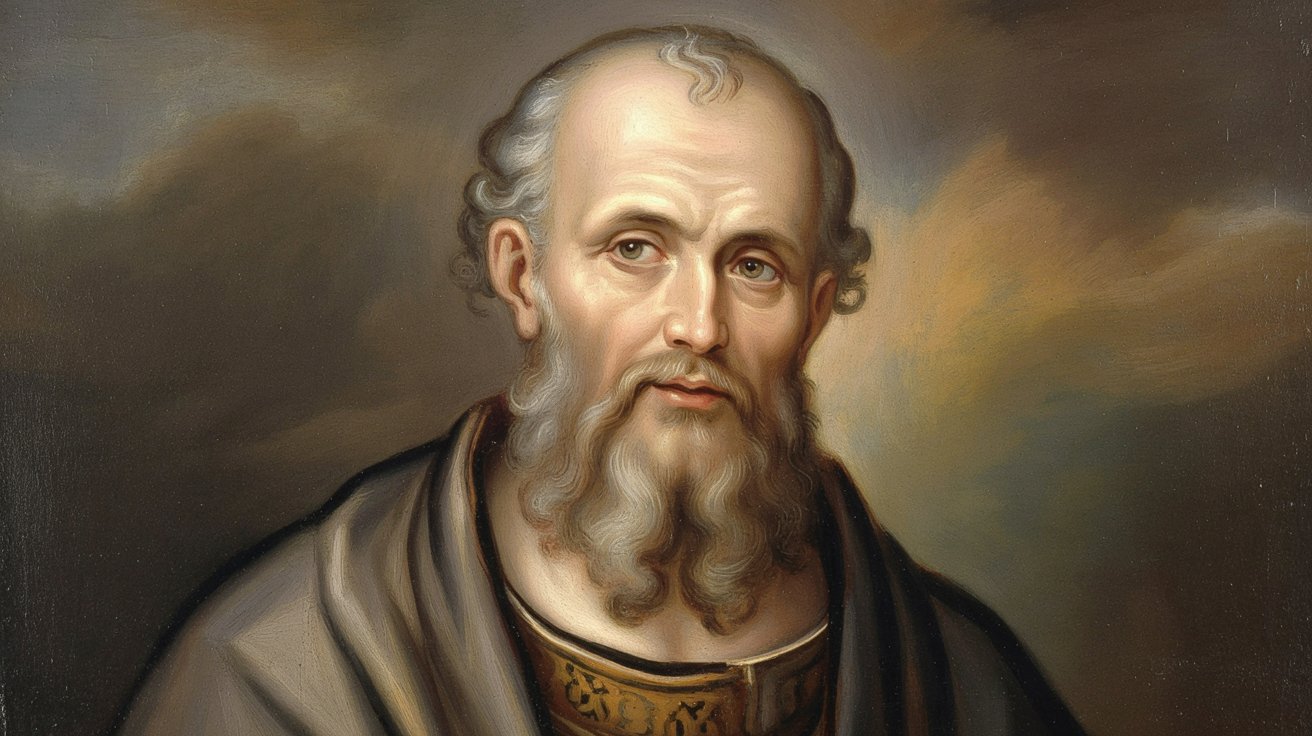
Philip, another of the Twelve, is a bit of a puzzle in the Gospels. He was from Bethsaida, the same town as Andrew and Peter (John 1:44), and was called by Jesus early on. Upon meeting Jesus, Philip’s first recorded act was to find his friend Nathanael and tell him about Jesus excitedly, much as Andrew had done with Peter. This suggests Philip was earnest and inviting.
Moments Revealing His Personality
However, Philip’s interactions with Jesus also show a more methodical, pragmatic side. The Gospel of John highlights a few moments where Philip speaks, revealing his personality. When Jesus faced a hungry crowd of thousands, He tested Philip by asking, “Where shall we buy bread for these people to eat?” Philip calculated the cost and replied that “Eight months’ wages would not buy enough bread for each one to have a bite!” (John 6:5–7). Philip was practical and literal in that moment, focusing on the financial impossibility rather than anticipating a miracle.
Desire to Understand and Know the Father
Later, some Greek seekers approached Philip first when trying to meet Jesus – perhaps because Philip had a Greek name and was approachable (John 12:20–22). Philip wasn’t sure what to do, so he consulted Andrew, and together they went to Jesus. This again shows Philip as cautious and thoughtful, not acting alone.
Most telling is Philip’s question to Jesus at the Last Supper. After Jesus spoke about knowing the Father, Philip said, “Lord, show us the Father, and that will be enough for us” (John 14:8). In this request we sense Philip’s sincere desire for understanding, yet also a slowness to grasp that in Jesus the Father was already revealed.
Faith and Practicality Combined
Jesus gently reproved him: “Don’t you know me, Philip, even after I have been among you such a long time?… Anyone who has seen me has seen the Father” (John 14:9). Philip had been with Jesus and seen countless signs, but he still wanted a kind of tangible proof or experience to be satisfied. This paints Philip as a down-to-earth, somewhat analytical follower who sometimes struggled with spiritual insight.
He loved Jesus and followed Him faithfully, but comprehension came a bit gradually for Philip. In the relational dynamic of the group, Philip might have been the logistics guy – the one concerned with details like food and arrangements. What sets Philip apart is this blend of faith and practicality. He was devoted enough to drop everything for Jesus and to bring others along, but he also illustrates that discipleship can involve questions and learning curves. Philip reminds us that it’s okay to ask for clarity – Jesus didn’t dismiss Philip for wanting to “see the Father,” but rather used it as a teaching moment.
After Jesus’ ascension, Philip is listed among those praying in the upper room (Acts 1:13), showing he remained faithful. Church tradition says Philip later spread the gospel in other lands, but the Bible doesn’t detail his later work. From what we do see, Philip was a man who yearned to understand and was growing in faith. His story encourages those who might be analytical or hesitant by nature that Jesus is patient to reveal Himself to those who earnestly seek Him, even if they need a bit of extra explanation along the way.
Bartholomew (Nathanael)

The Candid Skeptic Turned Believer
Bartholomew is named among the Twelve in the first three Gospels and Acts, but is never described in detail there. The Gospel of John, however, tells the story of a disciple named Nathanael who is widely believed to be the same person as Bartholomew. (Bartholomew may have been a family name – “son of Tolmai” – while Nathanael was his given name.) Nathanael’s first encounter with Jesus is one of the most striking calling stories in Scripture, and it reveals much about his character.
Initial Doubts About Nazareth
It was Philip who found Nathanael and urged him to meet Jesus, saying they had found the promised Messiah from Nazareth. Nathanael’s initial response was famously skeptical: “Nazareth! Can anything good come from there?” (John 1:46). This remark shows Nathanael as frank and blunt – he didn’t hide his doubtful opinion. Like many Jews, he had a low view of Nazareth, thinking the Messiah couldn’t possibly come from such an insignificant place. Yet Nathanael was also a student of Scripture, suggesting he was spiritually earnest despite his skepticism.
Recognized by Jesus as a Man of Integrity
When Nathanael reluctantly went to see Jesus, Jesus saw him coming and declared, “Here truly is an Israelite in whom there is no deceit” (John 1:47). In that instant, Jesus affirmed Nathanael’s integrity and sincerity. Nathanael may have been blunt, but he was genuine – a man without guile. Surprised, Nathanael asked how Jesus knew him. Jesus answered, “I saw you while you were still under the fig tree before Philip called you” (John 1:48). Whatever Nathanael had been doing or praying under that fig tree was a private matter only he and God would know; Jesus’ statement revealed a supernatural knowledge of Nathanael’s heart and life.
From Skeptic to Fervent Follower
Immediately, Nathanael underwent a dramatic change of mind. He exclaimed to Jesus, “Rabbi, you are the Son of God; you are the King of Israel!” (John 1:49). In one meeting, Nathanael went from skeptic to ardent believer. His quick turnaround shows his honesty and openness to truth – as soon as he saw evidence of who Jesus was, he proclaimed his faith. Jesus gently responded that Nathanael would see even greater things, hinting at the spiritual revelations to come (John 1:50–51).
After this encounter, Nathanael (Bartholomew) appears only briefly. He is mentioned among the disciples fishing with Peter after the Resurrection, where he saw the risen Christ by the Sea of Galilee (John 21:2). He was also present in the upper room when the Holy Spirit came (Acts 1:13). What sets Bartholomew/Nathanael apart is his transparent sincerity. Jesus Himself praised Nathanael as a true Israelite with no deceit – essentially, a pure-hearted seeker of God.
Nathanael’s initial prejudice about Nazareth was swiftly overcome by his encounter with Jesus’ glory. From then on, his faith was solid. While Scripture records no more words from him, tradition holds that Bartholomew carried the gospel to far-off lands. Nathanael’s story teaches us that God honors an honest heart. Questions and doubts, like Nathanael’s, are not a hindrance if one is genuinely seeking – because when the truth is revealed, the honest heart will receive it. Nathanael stands as an example of a person who might speak his mind bluntly but will just as readily bow his heart when confronted with the reality of Christ. In the band of apostles, he likely was a steady, genuine presence – a man whose faith had no pretense or duplicity.
Matthew (Levi)

From Tax Collector to Devoted Disciple
Matthew’s story showcases the radical grace of Jesus in calling unlikely people to be His disciples. Before following Jesus, Matthew was known as Levi, a Jewish tax collector (Matthew 9:9; Mark 2:14). Tax collectors were despised in that society – seen as traitors for working on behalf of the Roman occupiers and notorious for extorting extra money to line their own pockets. Matthew likely had grown wealthy through this corrupt job, but at the cost of his reputation and relationships. He was an outcast among his own people, considered “unclean” by the religious elite.
A Life Changed by Jesus’ Call
Yet Jesus saw potential in this very outsider. Walking up to Matthew’s tax booth, Jesus simply said, “Follow Me.” Incredibly, Matthew immediately left his post and followed, leaving behind his lucrative (if unethical) business. This instant obedience suggests that Matthew’s heart was ready for change – perhaps he was disillusioned with his life of greed and isolation. In any case, Jesus’ call gave Matthew both a new life and a new name (the Gospels imply Jesus may have given Levi the name “Matthew,” meaning “gift of God”).
Welcoming Sinners to Meet the Savior
Matthew’s first response after deciding to follow Jesus was to host a big dinner at his house in honor of Jesus, inviting all his fellow tax collectors and notorious “sinner” friends to come meet the Teacher (Luke 5:29; Mark 2:15). It was a celebratory gathering of society’s outcasts, and Jesus gladly dined with them. The Pharisees were scandalized that Jesus would share a meal with such disreputable folks. They grumbled to the other disciples, “Why does your teacher eat with tax collectors and sinners?” Jesus overheard and answered with words that have echoed through history: “It is not the healthy who need a doctor, but the sick… I have not come to call the righteous, but sinners to repentance” (Mark 2:17, cf. Matthew 9:12–13).
That dinner must have been an astonishing experience for Matthew: once shunned and deemed unredeemable, he now had friendship with Jesus and saw others like himself welcomed by the Lord. This speaks volumes about Matthew’s relational dynamic with Jesus – it was founded on grace and forgiveness. Matthew would never forget that Jesus loved him at his worst and lifted him up to a place of honor as an apostle.
A Careful Chronicler of Christ
Throughout the Gospel narratives, Matthew himself does not speak or stand out among the Twelve (apart from the mention of his call). In lists of apostles, he is often identified as “Matthew, the tax collector,” a nod to his past. But his contributions became evident later: Matthew is traditionally credited as the author of the Gospel that bears his name – a lengthy, meticulous account of Jesus’ life, filled with references to Old Testament prophecy. This suggests that Matthew, once an expert in worldly bookkeeping, put his skills to use in carefully recording Jesus’ teachings and actions, especially to show how Jesus fulfilled Scripture.
Transformation Through Radical Grace
What sets Matthew apart is the dramatic before-and-after in his life. He went from being greedy and spiritually sick to being a devoted follower who gave us one of the four Gospels. The Bible doesn’t detail his personality, but we can infer that Matthew was observant (as a record-keeper) and perhaps quiet. He likely had a humble gratitude for the mercy shown to him – a man forgiven much who therefore loved much. In the group, one can imagine Matthew and Simon the Zealot sharing an unlikely camaraderie (one a former Roman collaborator, the other a former rebel – now both transformed by Jesus). Matthew’s presence among the apostles was a continual reminder that Jesus calls the unlikely and looks at the heart, not the résumé. His story encourages us that no one is beyond Christ’s redemption, and that worldly shame can be eclipsed by the honor of serving Jesus.
Thomas

Honest Doubt and Passionate Faith
Thomas, often remembered by the unfortunate nickname “Doubting Thomas,” was one of the twelve apostles and provides a powerful example of faith wrestling with doubt. In the Gospels, Thomas is also called Didymus (meaning “Twin”), though we never learn anything about his twin. He isn’t mentioned much in Matthew, Mark, or Luke beyond the apostolic lists. It is the Gospel of John that gives us insight into Thomas’ character through three significant moments.
Brave Devotion Amid Gloom
The first occurs when Jesus decided to go back to Judea to visit Lazarus’ family after Lazarus had died. The other disciples were anxious, knowing Jesus’ enemies in Judea wanted to kill Him. Thomas then spoke up with a grim sort of courage: “Let us also go, that we may die with Him” (John 11:16). Here we see Thomas as deeply loyal to Jesus – he was ready to stick with Jesus even into danger, though his outlook was pessimistic (expecting death). His words carry a tone of resigned devotion: Thomas expected the worst, yet was willing to face it for Jesus’ sake.
Seeking Clarity at the Last Supper
The second glimpse of Thomas is at the Last Supper. Jesus told the disciples that He was going away to prepare a place for them, and that they knew the way to where He was going. Thomas, honest and confused, objected: “Lord, we don’t know where you are going, so how can we know the way?” (John 14:5). This question prompted one of Jesus’ most famous statements: “I am the way and the truth and the life. No one comes to the Father except through me” (John 14:6). Thomas’ inquisitive nature led him to seek clarity, and in doing so, he received a profound answer.
From Doubt to Declaration of Deity
Of course, the most well-known episode involving Thomas is after Jesus’ resurrection. On Easter evening, the risen Jesus appeared to the gathered disciples, but Thomas was not present. When the others later told Thomas that they had seen the Lord alive, Thomas responded with famous skepticism: “Unless I see the nail marks in His hands and put my finger where the nails were, and put my hand into His side, I will not believe” (John 20:25). Thomas did not reject the possibility outright; rather, he longed for personal experience of the risen Christ.
A week later, Jesus graciously gave Thomas the opportunity. Jesus appeared again to the disciples, this time with Thomas present, and invited Thomas to touch His wounds, saying, “Stop doubting and believe” (John 20:27). In that moment, all of Thomas’s conditions and questions melted away. He never actually needed to touch Jesus; seeing Him was enough. Thomas burst out in the greatest confession of faith recorded in the Gospels: “My Lord and my God!” (John 20:28).
What sets Thomas apart is that he was honest about his doubts and passionate about his faith. Once convinced, he uttered one of the strongest proclamations of Christ’s identity. Early church tradition says Thomas carried the gospel to far-off lands (possibly even India) and was martyred for his faith. In the apostolic circle, Thomas might have been one to ask the hard questions others were thinking. Jesus did not ostracize him for this; instead, the Lord met Thomas at the point of his need.
Sincere Questioning as a Path to Stronger Faith
This compassionate response teaches us that sincere questioning can be a part of a genuine faith journey. Thomas’s story encourages us that sincere faith does not fear sincere investigation, and that Jesus is merciful toward our struggles, leading us to a place of deeper trust. In the end, Thomas is a model of a disciple who moved through doubt into a mature faith that joyfully declared Jesus as Lord and God.
James (son of Alphaeus)
The Quiet, Faithful Apostle
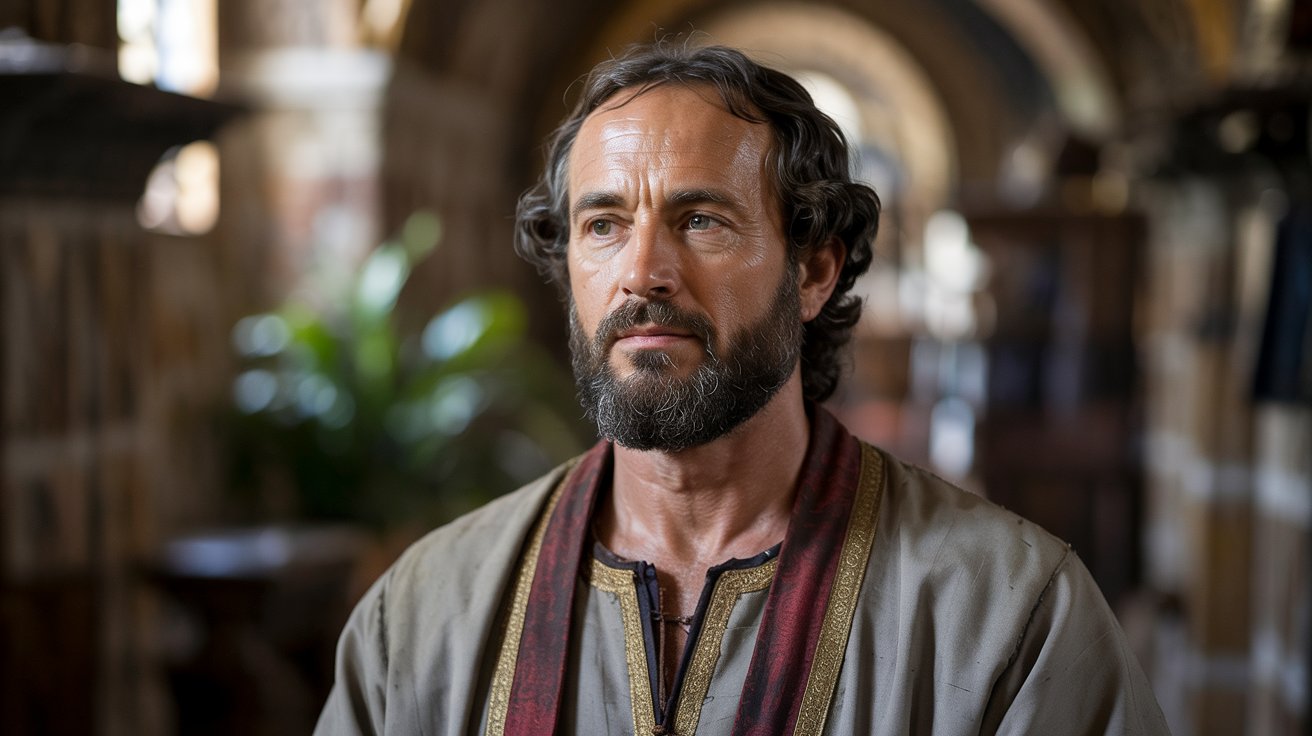
James the son of Alphaeus is one of the most obscure apostles – so little is written of him that he is essentially a silent follower in the gospel story. He is sometimes called “James the Less” (Mark 15:40) to distinguish him from James the son of Zebedee. The nickname “Less” likely means “younger” or possibly shorter in stature. It might also imply that he was less prominent. We know his mother was named Mary (she is mentioned as being present at Jesus’ crucifixion and tomb, Mark 15:40, 16:1), but beyond his parentage, the Scriptures are nearly silent about James son of Alphaeus.
Chosen by Jesus, Though Often Unseen
He appears in all the lists of the Twelve (Matthew 10:3, Mark 3:18, Luke 6:15, Acts 1:13), but no specific event or dialogue is attributed to him. He never speaks in the biblical record, nor is any individual deed recorded. In one sense, James son of Alphaeus might have labored in the background throughout Jesus’ ministry – a faithful presence, even if not in the limelight.
Obscure Yet Honored by God
However, the very lack of information about this James carries its own quiet lesson. Other than being listed as a disciple, nothing else is known about James the son of Alphaeus. Yet he was just as much an apostle as Peter, John, or any other. He was chosen by Jesus after a night of prayer on the mountain, same as the others (Luke 6:12–16). He was given authority to preach and cast out demons alongside the rest (Mark 3:14–15). He witnessed the miracles, heard all of Jesus’ teachings firsthand, and saw the risen Christ.
In eternity, his name is on one of the foundation stones of the heavenly Jerusalem (Revelation 21:14) – a permanent honor for one of the Twelve. In short, he may have been “the less” on earth, but he is not least in God’s eyes. James was faithful enough to be there from the baptism of John to the ascension of Jesus.
What sets James son of Alphaeus apart is precisely that he blends in – and yet he was faithful. He represents all those believers who serve the Lord without fame or fanfare. There are no dramatic stories about him, which reminds us that many of God’s servants work quietly in the background. Not everyone is a Peter or John; some, like James son of Alphaeus, fulfill their calling without public recognition. His inclusion in the Twelve shows that prominence is not the measure of importance in Christ’s kingdom. Faithfulness is.
Thaddeus (Judas son of James)

The Apostle with Many Names
Thaddeus, also referred to as Judas son of James or Jude, is another apostle shrouded in mystery. The New Testament gives us very few details about him. In different gospel lists he’s called by different names: Matthew and Mark list “Thaddeus” (some manuscripts add “Lebbaeus, whose surname was Thaddeus”), while Luke’s Gospel and Acts replace that name with “Judas son of James” (Luke 6:16, Acts 1:13). John’s Gospel simply calls him “Judas (not Iscariot)” to avoid any confusion with Judas Iscariot (John 14:22). This multiplicity of names earned Thaddeus the title “Trinomius” (man with three names) by early scholars.
A Tender-Hearted Follower of Christ?
It’s likely that his given name was Judas, and nicknames “Thaddeus” and “Lebbaeus” (which mean “heart-child” or “dear one”) were affectionate descriptors. Some have speculated that these nicknames hint at Thaddeus’ personality – perhaps a gentle, tender-hearted soul. While we cannot be certain, it’s a touching possibility that among the rugged fishermen and zealots, there was Thaddeus, the apostle with a compassionate, childlike heart.
One Question in the Upper Room
The one clear moment where Thaddeus appears as an individual is during the Last Supper in John’s Gospel. As Jesus was explaining to the disciples that He would soon manifest Himself to them in a special way (through the Holy Spirit), Thaddeus was perplexed. He broke his silence to ask Jesus a question: “Lord, why are you going to reveal yourself only to us and not to the world at large?” (John 14:22, NLT). In this question, we gain insight into Thaddeus’ mind and heart.
Jesus answered that He would reveal Himself to anyone who loves Him and obeys Him, and that He and the Father would “make our home” with them (John 14:23). Thaddeus had to learn that the Kingdom was taking root in hearts, not in worldly pomp at that moment. We don’t know how he responded, but presumably this answer, and later the experience of Pentecost, satisfied Thaddeus’ question.
Faithful Yet Under the Radar
Outside of that inquiry, Scripture simply includes Thaddeus among the faithful. He likely went out as a missionary after Pentecost, as all the apostles did. Church tradition suggests he preached in places like Edessa (in modern Turkey) and was martyred. What sets Thaddeus apart is that he is known more by a question than by actions.
His question in John 14 shows a man who yearned for Jesus to be known universally and who was processing the surprising path Jesus was taking. In the circle of disciples, Thaddeus might have been somewhat quiet, but clearly thoughtful. Also, Thaddeus’ multiple names suggest he was beloved among his peers. He represents the faithful believer who isn’t in the spotlight but whose love for Jesus is genuine.
Simon the Zealot

A Passionate Background
Simon the Zealot is named in all four lists of the Twelve, and beyond that we know almost nothing concrete about him from the Bible – except what his descriptor “the Zealot” implies. In two Gospels he’s called “Simon the Cananean” (from an Aramaic term) which is likely a political label meaning zealous one, not a geographic reference (Matthew 10:4, Mark 3:18). Luke’s Gospel and Acts clearly call him Simon the Zealot (Luke 6:15, Acts 1:13). The Zealots were a Jewish movement passionate about resisting Roman rule. They were known for their fierce nationalism and, at times, violence.
Transformed by the True Messiah
If Simon had been part of this movement prior to following Jesus, it meant he was a freedom fighter type, possibly willing to risk his life to see Israel liberated. Yet at some point, Simon met Jesus of Nazareth and was utterly changed. Jesus called Simon to a different kind of revolution – one of heart rather than sword – and Simon answered that call.
The fact that he retained the moniker “the Zealot” might simply distinguish him from Simon Peter, or it might indicate that his zealous personality carried over into his new life, now channeled for Jesus’ cause. The Gospel writers do not record any specific words or acts of Simon the Zealot during Jesus’ ministry.
Unity with the Former Opposite
In the same apostolic band, Jesus also called Matthew the tax collector – a man who had collaborated with Rome. Ordinarily, Simon the Zealot and Matthew the tax man would have been arch-enemies. Yet here they were, eating at the same table, traveling together, united in love for Jesus. Their common allegiance to Him transcended their prior agendas. By the end of Jesus’ training, Simon wasn’t plotting insurrections; he was learning to preach the gospel of peace.
What sets Simon the Zealot apart is obviously his background, but more so the implication that his passion was redirected. He likely had intense devotion – first to Israel, then supremely to Jesus. After Pentecost, Simon presumably carried that zeal into spreading the message of Christ. In the New Testament narrative, Simon’s significance is largely symbolic: he demonstrates that Jesus can unite the most unlikely people. Around Jesus, a zealot can lay down his dagger and a tax collector his ledger, and together they can pick up the cross.
Judas Iscariot
The Tragic Betrayer
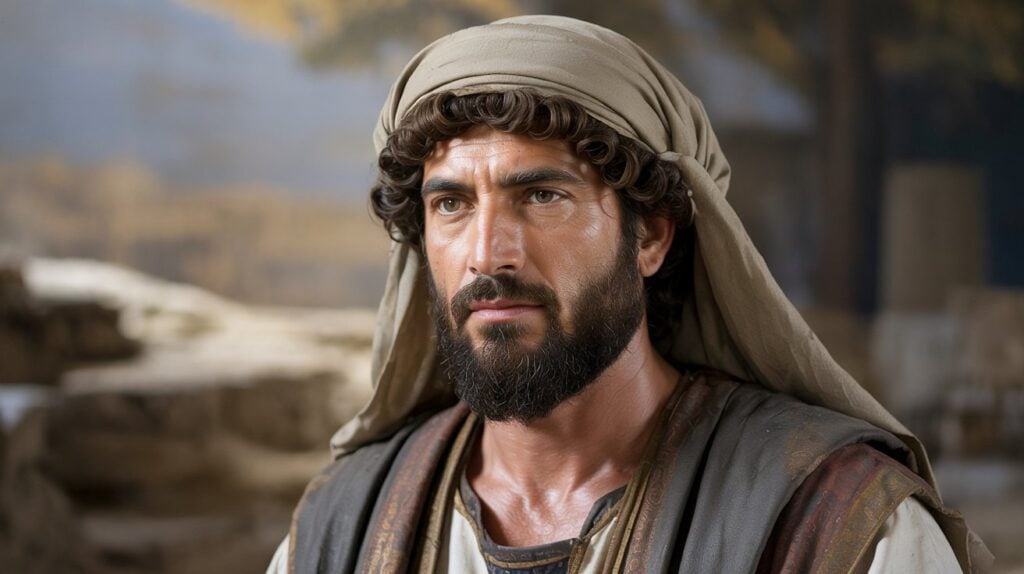
Judas Iscariot’s name is tragically synonymous with betrayal. He is always listed last among the apostles, with the grim note that he is the one “who betrayed Jesus.” Yet for most of the time he followed Christ, Judas outwardly lived and ministered just like the others. He heard the same teachings, saw the same miracles, and even preached and healed in Jesus’ name along with the rest (Mark 6:7–13). To the other disciples, Judas did not stand out as a villain – in fact, he was trusted enough to be the group’s treasurer.
A Heart Corrupted by Greed
Unfortunately, John’s Gospel reveals that Judas had a greedy streak: he would pilfer money from the common purse (John 12:6). This love of money became the foothold of Satan in Judas’s life. The Gospels indicate that Judas never experienced the true conversion of heart that the others did – Jesus said of the Twelve, “One of you is a devil… one of you will betray me,” and “not every one of you is clean,” alluding to Judas (John 6:70, 13:10-11).
Betrayal for Thirty Pieces of Silver
Judas arranged his betrayal in advance with the chief priests, agreeing to hand Jesus over in exchange for thirty pieces of silver (Matthew 26:14–16). During the Last Supper, Jesus announced that one of them would betray Him. None of the disciples immediately suspected Judas; instead they each worried it might be themselves. When Jesus handed Judas a piece of dipped bread and told him, “What you are about to do, do quickly,” the others assumed Judas was running an errand.
The Kiss in Gethsemane and Its Aftermath
In Gethsemane, Judas led the arrest party to Jesus and identified Him with a kiss. It was the ultimate act of treachery – a kiss of friendship used to betray. Yet Jesus had known it would happen, and He even called Judas “friend” in that moment.
After the deed, Judas was overwhelmed with remorse. He tried to return the silver, crying, “I have sinned, for I have betrayed innocent blood.” But the priests dismissed him. In despair, Judas threw the money into the temple and went and hanged himself. His sorrow led to death rather than restoration, unlike Peter, whose sorrow for denying Christ led him back to Jesus.
A Sobering Warning
What sets Judas apart is painfully clear – he rejected the light he was given. He is a sobering example of a privileged position wasted. Judas was physically close to Jesus but never made Jesus Lord of his heart. The relational dynamics here are heart-wrenching: Jesus loved Judas and included him till the end, even washing Judas’s feet at the Last Supper, but Judas hardened himself.
For us devotionally, Judas Iscariot’s life teaches sober lessons: guard your heart against the love of money or any idol that could open a door to the enemy. Spiritual opportunities do not guarantee a good outcome – one must respond in faith. Judas had the best Teacher, the best examples, the perfect environment, and still chose sin. Finally, appearances can deceive – Judas played the part of disciple while betraying the Master. It urges us to examine ourselves genuinely.
Conclusion
Diverse Men Shaped by Christ
The twelve apostles were a remarkably diverse group – fishermen and a tax collector, a zealot and a skeptic, brothers nicknamed “Sons of Thunder,” a beloved friend, a quiet unknown, and even a traitor. Yet Jesus brought them together and invested in each one, shaping them through relationship with Himself. In the Gospel narratives, we see their humanity on full display: Peter’s impulsiveness, John’s growing love, Thomas’s questions, Nathanael’s honesty, Matthew’s gratitude, James’s zeal, Andrew’s humility, Philip’s practicality, Thaddeus’s curiosity, Simon’s passion redirected, James the Less’s faithful obscurity, and Judas’s tragic choice. Each story is unique, yet together they paint a portrait of Jesus’ transforming work.
A Foundational and Transformational Fellowship
These men argued at times, learned to serve each other (as when Jesus washed their feet), and eventually, except for Judas, “turned the world upside down” with their preaching (Acts 17:6). Their significance as a group is foundational – Revelation 21:14 pictures the names of the twelve apostles on the foundation stones of God’s eternal city. But beyond their global mission, there is a devotional thread: Jesus chose people, not saints or scholars, just ordinary people with rough edges. He drew them into friendship with Himself – “I have called you friends,” He said (John 15:15) – and through love, example, and sometimes rebuke, He molded their characters. He prayed for them, believed in them, and even after ascending, He sent His Spirit to empower them.
Encouragement for Our Own Journey
The apostles’ lives show us that God’s strength truly is made perfect in our weakness. They were not characterized by perfection; rather, the Gospels record their “constant failings, struggles, and doubts”, which only makes the grace of their transformation more evident. In the book of Acts, these same men are described as “unschooled, ordinary men,” yet observers “took note that they had been with Jesus” (Acts 4:13). That is the secret. The Twelve became who they were meant to be because they had been with Jesus.
Finding Ourselves in Their Stories
In our own journey, we can find a bit of ourselves in each apostle: a dose of Peter’s boldness or Thomas’s doubt, a share of John’s devotion or Andrew’s quiet service. Their stories encourage us to embrace our unique personalities and backgrounds, knowing that Jesus welcomes us as we are and then leads us to growth. They remind us that following Jesus is not about having it all together – it’s about relationship and transformation over time. They also illustrate the beauty of Christian community: how vastly different people can become family in Christ, loving one another and working side by side.
The Legacy of Friendship and Faithfulness
Even the painful story of Judas warns us and calls us to authentic faith. Ultimately, the Twelve point us to the Master who shaped them. In studying them, we end up marveling at Jesus – how He loved each man deeply and brought out the best in them (the rock in Peter, the evangelist in Matthew, the worshiper in Nathanael, etc.). As we reflect on the apostles’ lives, may we be inspired to likewise draw near to Jesus, allow Him to refine our rough edges, and pursue the unique calling He has for each of us. These twelve very human men “have been with Jesus,” and their legacy invites us to do the same, so that we too can become faithful disciples who help carry His love to the world.