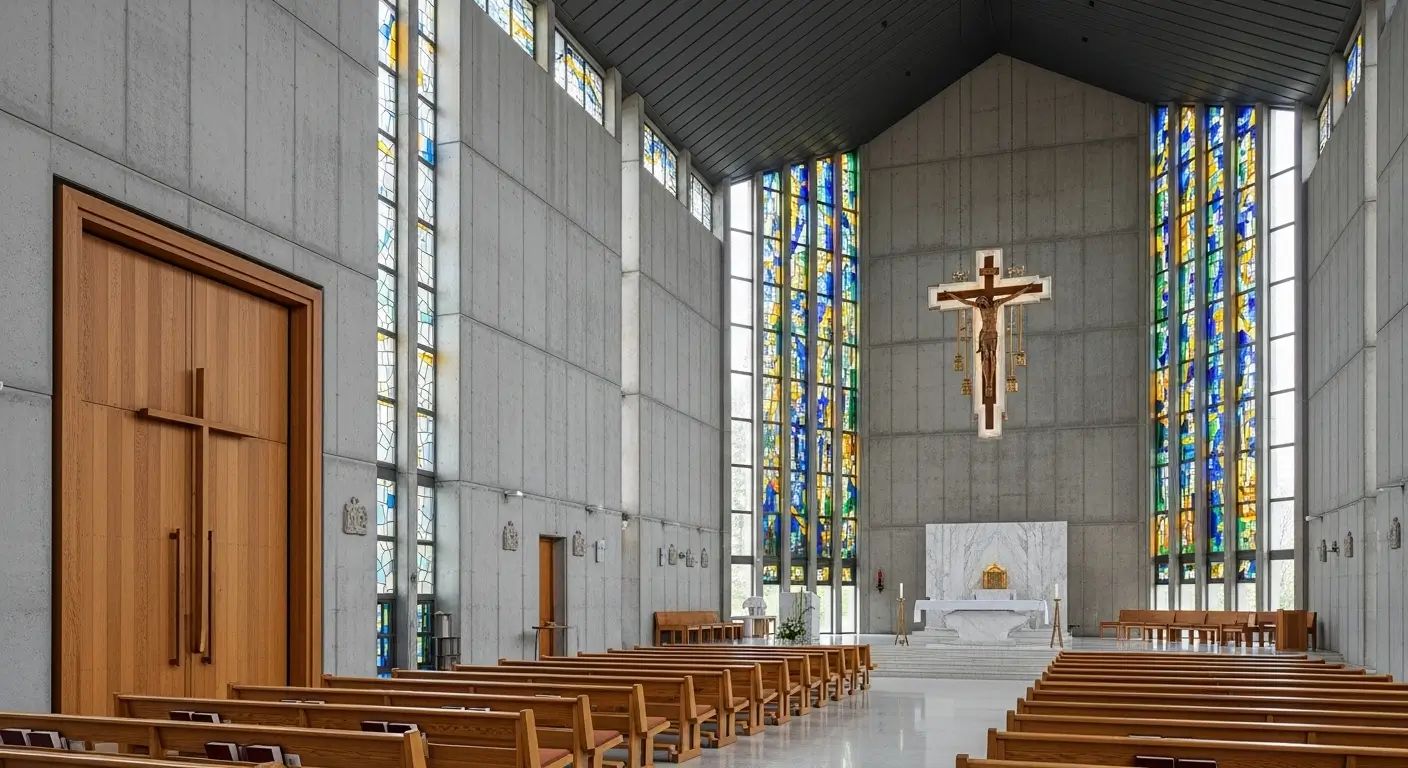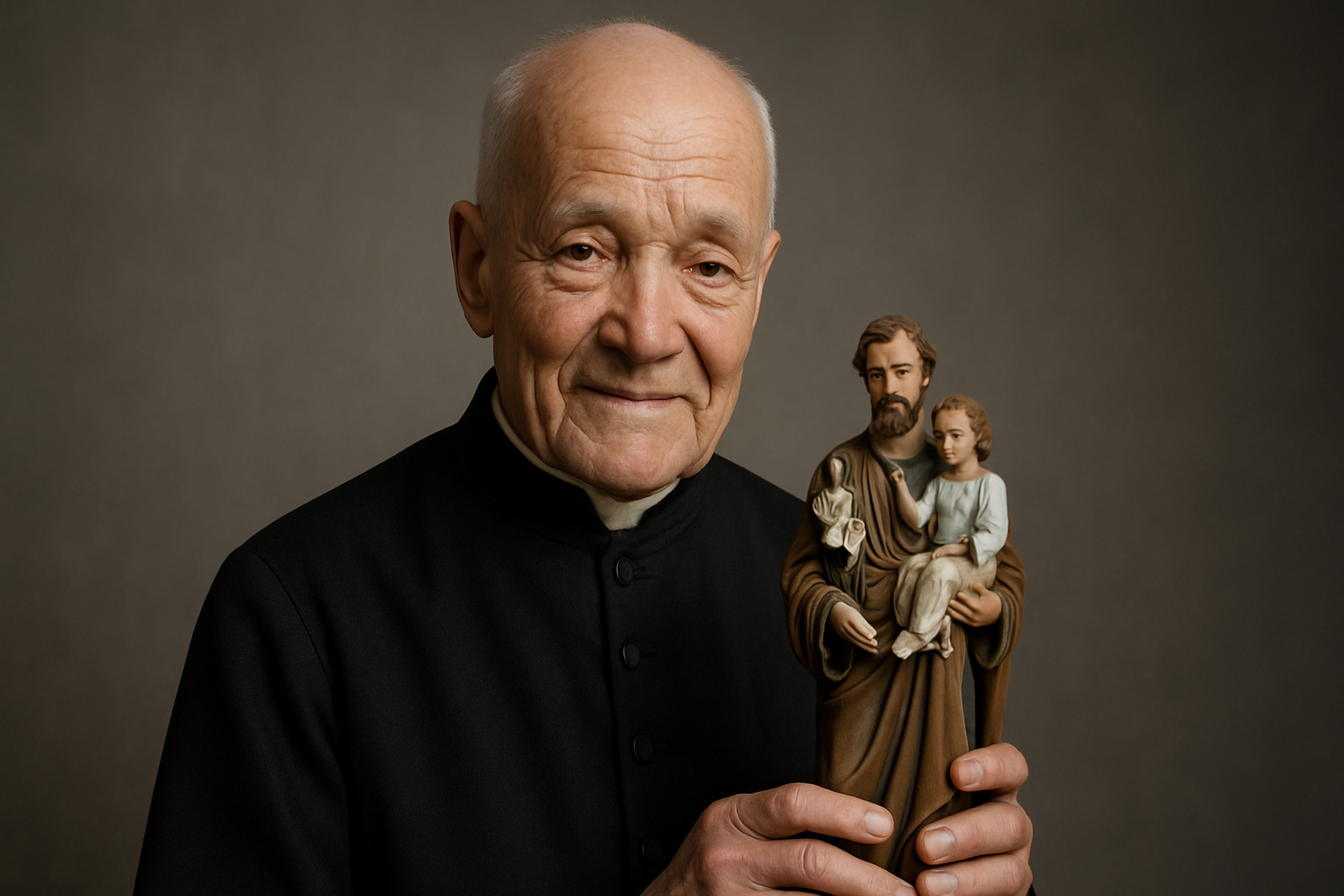
In the heart of bustling Montreal, a towering dome pierces the sky, a magnificent testament to faith, perseverance, and the humble life of Brother André Bessette. Born Alfred Bessette in a small Canadian village, this unassuming doorkeeper would become known as the “Miracle Man of Montreal” and a powerful intercessor for countless souls. His life, marked by illness, poverty, and a profound devotion to St. Joseph, reminds us that sanctity is often found not in grand gestures but in faithful service, unwavering trust in God, and deep compassion for others. This article delves into the extraordinary journey of St. André, exploring his early struggles, his impactful ministry, his enduring spiritual legacy, and the vibrant devotion that continues to draw millions to his shrine today.
Quick Facts
| Category | Detail |
|---|---|
| Birth | August 9, 1845, in Saint-Grégoire-le-Grand, Quebec, Canada |
| Death | January 6, 1937, in Montreal, Quebec, Canada |
| Feast Day | January 6 (Canada), January 7 (Universal) |
| Patronage | Sick people, doorkeepers, those who suffer, the poor |
| Canonized | October 17, 2010, by Pope Benedict XVI |
Historical Context & Early Life
St. André Bessette’s life unfolded against a backdrop of significant social and religious change in Canada. Born in 1845, just a few decades before Canada’s Confederation, he grew up in a predominantly French-speaking, Catholic Quebec. The mid-19th century was a time of rapid industrialization and urbanization, leading to both economic opportunities and widespread poverty. For many French Canadians, the Catholic Church was not just a spiritual guide but also a central pillar of cultural identity and community life. Religious orders played a crucial role, establishing schools, hospitals, and charitable institutions that served as lifelines for the less fortunate.
Alfred Bessette was the eighth of twelve children born to Isaac and Clothilde Bessette. His family, though devout, faced immense hardships. His father, a carpenter, died in a logging accident when Alfred was only nine years old. Just three years later, his mother succumbed to tuberculosis. Orphaned at twelve, Alfred and his siblings were split up, sent to live with various relatives. This early trauma deeply shaped his character, instilling in him a profound sense of dependence on God and a keen empathy for those who suffered. He received little formal schooling, working a series of menial jobs—farmhand, factory worker, shoemaker, baker—often struggling due to his perpetually frail health. Throughout these trying years, Alfred clung to his faith, developing a special devotion to St. Joseph, whom he regarded as a spiritual father and protector.
Calling & Key Milestones
A Difficult Vocation
Despite his poor health, limited education, and lack of worldly prospects, Alfred felt a strong call to religious life. He was turned away by several religious orders due to his physical weakness. However, with the persistent recommendation of his parish priest, Father André Provencal (whose name Alfred would later take), he was finally accepted by the Congregation of Holy Cross in Montreal in 1870. The superior, Father Alfred Guy, had some reservations, stating, “I am sending you a saint.” Alfred was initially accepted on a probationary basis, entering as a novice and taking the name Brother André. His humility and simple piety were evident, but his health issues meant he was assigned tasks requiring little physical exertion or academic skill.
The Doorkeeper of Notre Dame College
Brother André’s primary role for forty years was that of doorkeeper at Notre Dame College, a school for boys run by the Holy Cross Fathers. This seemingly lowly position placed him at the intersection of the school’s daily life, allowing him to interact with students, parents, and visitors. He greeted everyone with warmth and kindness, offering a listening ear, a comforting word, and often, a small medal of St. Joseph. It was in this humble role that his extraordinary spiritual gifts began to manifest. People, especially the sick and suffering, started flocking to him, seeking his advice and prayers. Brother André never claimed to heal anyone; instead, he would direct them to St. Joseph, encouraging them to rub themselves with St. Joseph’s oil and pray with deep faith. He would say, “Go to St. Joseph. He will help you.”
Miracles and Healing
Soon, word spread of miraculous healings associated with Brother André’s intercession. The lame walked, the blind saw, and those suffering from various ailments found relief. The college infirmary, originally intended for the students, became a de facto clinic for the many visitors seeking Brother André. This success, however, was not without controversy. Some doctors and even some within the Church hierarchy were skeptical, attributing the cures to imagination or natural causes, or even fearing superstition. Brother André faced criticism and occasional admonishments to cease his “healing activities.” Yet, his unwavering faith and the sheer volume of testimonies supported his ministry, proving that God was working through this simple, faithful man.
The Dream of St. Joseph’s Oratory
From early in his doorkeeping days, Brother André harbored a singular dream: to build a grand shrine dedicated to St. Joseph. He began with nothing, simply placing a small statue of St. Joseph in a niche on the side of the mountain near the college, encouraging devotion. He started collecting small donations, often just pennies, from the people he met. Despite immense opposition and ridicule, Brother André persevered. His tenacity, fueled by an unshakable trust in St. Joseph’s intercession, slowly brought the dream to fruition. He would often say, “It is not my work; it is St. Joseph’s work.”
Construction of the Oratory
In 1904, a small chapel was built, financed by the meager donations Brother André collected. As more people experienced healings and graces, the chapel proved too small. The construction of the massive St. Joseph’s Oratory of Mount Royal began in earnest in 1917, a monumental undertaking that spanned decades. Brother André oversaw the project with meticulous care, often scolding workers who didn’t take their faith seriously or who misused funds. He insisted on frugality, trusting that St. Joseph would provide. The magnificent basilica, a beacon of faith and hope, was largely completed after his death, but it stands as the crowning achievement of his life, a testament to what humble faith can accomplish.
His Passing and Lasting Influence
Brother André passed away on January 6, 1937, at the age of 91. Over a million people filed past his coffin, a testament to the profound impact he had on the lives of ordinary Canadians and people worldwide. Even in death, his intercession continued, and the Oratory became an even greater center of pilgrimage. His life demonstrated that holiness is attainable through simple obedience, profound prayer, and compassionate service, regardless of one’s social standing or intellectual prowess.
Spiritual Legacy & Theological Themes
St. André Bessette’s spiritual legacy is rich, centered on several profound theological themes and virtues that resonate deeply with Catholic teaching and Scripture.
Humility and Obedience
At the core of Brother André’s sanctity was his profound humility. He embraced his role as a doorkeeper, a position of service often overlooked. He never sought recognition for the healings attributed to his prayers, always redirecting praise to St. Joseph and, ultimately, to God. His life exemplified the Gospel teaching that “whoever wishes to be great among you will be your servant” (Matthew 20:26). He practiced a radical obedience to his religious superiors, even when they were skeptical or critical of his ministry, always trusting in the wisdom of the Church.
Unwavering Faith and Trust in God’s Providence
Brother André’s life was a continuous act of faith. Despite a childhood marked by poverty, illness, and orphanhood, he never lost trust in God’s loving providence. His determination to build the Oratory, often against seemingly insurmountable odds and with minimal resources, was a pure act of faith. He believed that if God willed it, it would happen, and St. Joseph would provide. This trust is a powerful reminder that “with God all things are possible” (Matthew 19:26).
Devotion to St. Joseph
A distinctive hallmark of St. André’s spirituality was his intense, lifelong devotion to St. Joseph. He saw St. Joseph as the silent, faithful protector of Jesus and Mary, an exemplary model of fatherhood, purity, and humble service. Brother André tirelessly promoted devotion to St. Joseph, believing deeply in his powerful intercession. He attributed all healings and successes to St. Joseph, seeing himself merely as a channel. This devotion highlights the Catholic practice of seeking intercession from saints, viewing them as friends in heaven who can pray with us and for us to God.
Compassion for the Suffering
Having experienced significant suffering and illness himself, Brother André possessed a deep well of compassion for the sick and marginalized. He understood their pain, both physical and spiritual, and dedicated his life to offering them hope and solace. His ministry of healing was an extension of Christ’s own ministry, fulfilling the call to care for the “least of these” (Matthew 25:40). He didn’t just pray for people; he listened to them, encouraged them, and affirmed their dignity.
Devotion Today
Today, devotion to St. André Bessette remains incredibly strong, centered primarily at the magnificent St. Joseph’s Oratory of Mount Royal in Montreal. This impressive basilica, completed long after his death, stands as a vibrant testament to his life and intercession. It is one of the largest churches in North America and a major pilgrimage site, attracting millions of visitors annually from around the world.
Pilgrims come to the Oratory seeking St. André’s intercession for healing, spiritual guidance, and strength in times of trial. Many ascend the Oratory’s steps on their knees, a traditional act of penance and devotion. Inside, his tomb is a place of quiet prayer, often surrounded by crutches, canes, and other orthopedic devices left behind by those who claim to have been miraculously healed through his prayers. The museum within the Oratory houses artifacts from his life, offering deeper insight into his humble existence and profound spirituality.
His feast day, celebrated on January 6th (or January 7th universally), is marked by special Masses and devotions at the Oratory and in parishes throughout Canada and beyond. St. André’s story continues to inspire countless individuals to live lives of simple faith, profound prayer, and compassionate service.
Reflections for Modern Readers
St. André Bessette’s life, though lived in a different era, offers timeless lessons profoundly relevant to modern readers. His journey reminds us that holiness is not reserved for the learned or the powerful, but is accessible to all who embrace God’s will with humility and faith.
-
Embrace the Power of Small Acts: St. André spent most of his life as a doorkeeper, a humble and often overlooked role. Yet, it was through this seemingly insignificant position that he encountered countless individuals and became an instrument of God’s grace. In our fast-paced, achievement-oriented world, his life reminds us that every act of kindness, every moment of service, no matter how small, has immense value in God’s eyes. A kind word to a colleague, a patient ear for a friend, or a quiet prayer for someone in need can profoundly impact lives, just as Brother André’s simple greetings led to profound encounters.
-
Persevere with Unwavering Faith: St. André faced constant obstacles: poor health, lack of education, skepticism from authorities, and the daunting task of building a massive shrine with no funds. Yet, he never gave up, trusting entirely in God and St. Joseph. Modern life is full of setbacks and challenges, whether in career, relationships, or personal struggles. St. André teaches us to hold onto our faith, to pray without ceasing, and to believe that God’s plan will ultimately prevail, even when the path forward seems impossible.
-
Cultivate Deep Devotion to Saints (and Scripture): His profound devotion to St. Joseph was not an end in itself but a means to draw closer to God. He saw St. Joseph as a powerful intercessor and a model of virtue. For us today, engaging with the lives of saints can provide inspiration and guidance, helping us to understand how to live out our faith practically. Learning about their struggles and triumphs can offer hope and wisdom, and their intercession can be a powerful source of strength in our own prayer lives.
-
See Christ in the Suffering: Brother André’s compassion for the sick was legendary. He never turned anyone away and understood their pain because he himself was often ill. In a world grappling with illness, loneliness, and social division, St. André calls us to open our hearts to those who suffer, to be agents of comfort and healing. This could mean volunteering at a local charity, visiting the elderly, or simply being present for a friend struggling with mental health, recognizing that in serving them, we are serving Christ himself.
In art and jewelry, St. André Bessette is commonly depicted in the simple black habit of the Congregation of Holy Cross, often with a rosary in hand. He is frequently shown with a small medal or statue of St. Joseph, symbolizing his lifelong devotion to his patron. Another common symbol is a door or key, representing his many years as a doorkeeper at Notre Dame College. Sometimes, crutches or canes are depicted near him, recalling the numerous physical healings attributed to his intercession. These symbols collectively portray a man of humble service, profound faith, and powerful intercession, especially for the sick and those devoted to St. Joseph.
Timeline Summary
- August 9, 1845: Born Alfred Bessette in Saint-Grégoire-le-Grand, Quebec, Canada.
- 1854: Father, Isaac Bessette, dies in a logging accident.
- 1857: Mother, Clothilde Bessette, dies of tuberculosis, leaving Alfred an orphan.
- 1870: Enters the Congregation of Holy Cross in Montreal as a novice, taking the name Brother André.
- 1874: Makes his perpetual vows as a lay brother and is assigned the role of doorkeeper at Notre Dame College.
- 1904: A small chapel dedicated to St. Joseph is built on Mount Royal, funded by Brother André’s small donations.
- 1917: Construction begins on a larger basilica, the St. Joseph’s Oratory of Mount Royal, though funds are scarce.
- 1924: The crypt church of the Oratory is completed and inaugurated.
- January 6, 1937: Brother André Bessette dies at the age of 91. Over a million people attend his wake.
- May 23, 1982: Beatified by Pope John Paul II.
- October 17, 2010: Canonized as a saint by Pope Benedict XVI.
Scripture for Reflection
St. André Bessette’s life beautifully illuminates several scriptural passages. His humility, trust in God, and compassion for the sick stand out:
Matthew 25:35-40: “For I was hungry and you gave me food, I was thirsty and you gave me drink, a stranger and you welcomed me, naked and you clothed me, ill and you cared for me, in prison and you visited me.’ Then the righteous will answer him and say, ‘Lord, when did we see you hungry and feed you, or thirsty and give you drink? When did we see you a stranger and welcome you, or naked and clothe you? When did we see you ill or in prison, and visit you?’ And the king will say to them in reply, ‘Amen, I say to you, whatever you did for one of these least brothers of mine, you did for me.’”
St. André’s selfless service to the sick and suffering, his willingness to listen and offer comfort to all who approached him, directly reflects this Gospel passage. He saw Christ in every person he served, especially those considered “the least” by society.
Philippians 4:13: “I can do all things through Christ who strengthens me.”
This verse captures Brother André’s unwavering perseverance despite his frail health and the immense challenges he faced, particularly in building St. Joseph’s Oratory. He constantly relied on Christ’s strength and the intercession of St. Joseph, never giving up on his mission.
James 5:14-16: “Is anyone among you sick? He should summon the presbyters of the church, and they should pray over him and anoint [him] with oil in the name of the Lord, and the prayer of faith will save the sick person, and the Lord will raise him up. If he has committed any sins, he will be forgiven. Therefore, confess your sins to one another and pray for one another, that you may be healed. The fervent prayer of a righteous person is very powerful.”
This passage directly relates to Brother André’s healing ministry. While he was not a priest, he encouraged the use of St. Joseph’s oil and, most importantly, stressed the “prayer of faith.” He himself was a “righteous person” whose fervent prayers were indeed powerful, bringing comfort and healing to countless individuals.
Prayers to St. André Bessette
Here is a common prayer invoking the intercession of St. André Bessette:
Prayer for Healing through St. André Bessette
Lord, God, you chose Brother André Bessette to make known the power of St. Joseph and his special love for the poor and afflicted. Grant that, through his intercession, we may obtain the graces we need, especially [mention your intention here], and that we may follow his example of humility, faith, and charity. We ask this through Jesus Christ our Lord. Amen.
Another Prayer to St. André Bessette
St. André Bessette, your life was a testament to simple faith and humble service. You dedicated yourself to St. Joseph, trusting in his powerful intercession, and through you, countless miracles of healing and grace have occurred. Look kindly upon us who now implore your help. We ask you to intercede for us before the Father, through Christ, in the Holy Spirit, that we may find strength in our weaknesses, comfort in our sorrows, and unwavering trust in Divine Providence. May we, like you, serve God faithfully in our daily lives and bring His love to all we meet. Amen.