A vocation does not always arrive with a clear route, a budget, and people who understand it. St. Laura Montoya’s life moved through family hardship, teaching, and the difficult work of building a religious community. Her story is especially worth reading when a worthwhile project has met resistance and the next step is unclear.
A Colombian teacher and founder
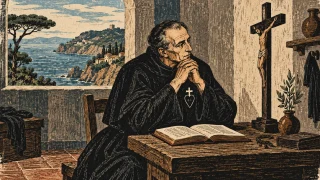
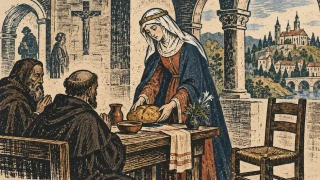
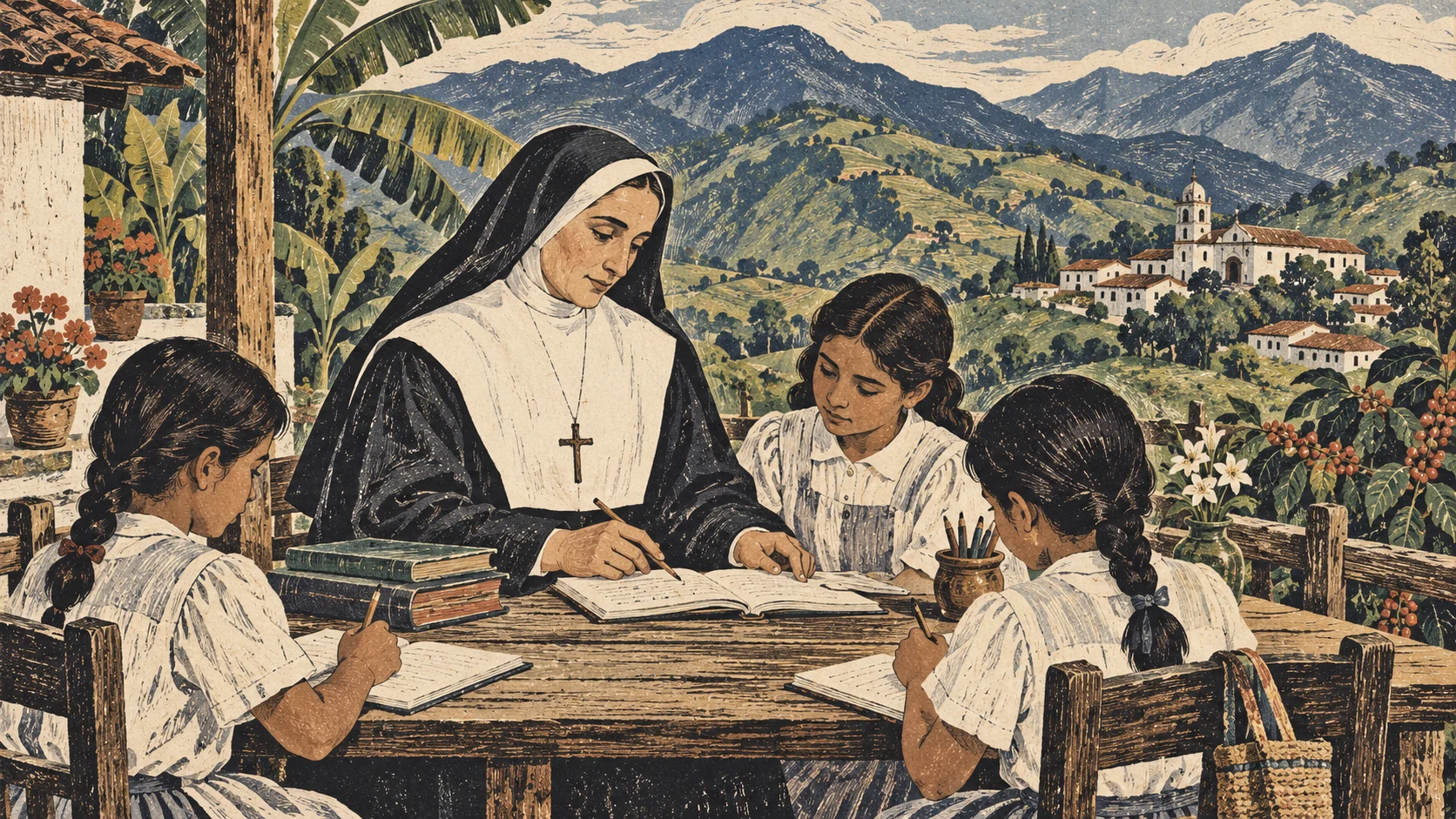
Laura was born in Jericó, Colombia, in 1874. Her father’s death left the family in difficult circumstances. She trained as a teacher and later devoted herself to missionary work among Indigenous communities. In 1914 she began the community that became the Missionaries of Mary Immaculate and St. Catherine of Siena. She died in 1949 and was canonized in 2013. The Vatican biography describes her education and mission.
Read missionary history with attention to people
Older missionary accounts often use language that contemporary readers would not use to describe Indigenous peoples. Reading carefully means recognizing those communities as people with their own knowledge, languages, relationships, and histories. A saint’s biography should never make them disappear into the background of someone else’s achievement.
That reading habit has a present-day application. Before beginning a parish outreach project, ask who has already been doing the work and who should help shape it. Listen for priorities that differ from your first idea. An invitation to serve also includes an invitation to learn.
What to do when a good idea meets a closed door
Resistance can mean several things. A proposal may be poorly timed. It may need better preparation. The person hearing it may have concerns you have not considered. Sometimes the work belongs in another setting. Persistence becomes wiser when it can distinguish these possibilities.
- Name the purpose. Write one sentence explaining whom the project is meant to serve.
- Ask for specific feedback. Replace “Why won’t anyone help?” with “What would need to be true for this to work?”
- Try a smaller version. A single tutoring afternoon may teach more than months spent designing a large program.
- Review what happened. Ask participants what was useful and what should change.
These are practical suggestions for readers today, not a reconstruction of Laura’s methods. They help turn admiration for a determined saint into responsible action.
A teaching practice anyone can use
Think of someone learning something you already know: a new parish volunteer, a child preparing for a sacrament, or an older relative navigating an unfamiliar device. Ask what they want to accomplish. Demonstrate one step, let them try, and resist taking over merely because you can finish faster.
The goal is the other person’s growing confidence. A patient explanation can communicate respect more clearly than a long speech about the value of education.
For a family or parish conversation
Discuss a time when someone took your questions seriously. What did that person do? Then choose one way to offer the same attention to another learner. Laura’s life gives us a reason to connect perseverance with humility: continue the work, keep listening, and remain willing to be taught.