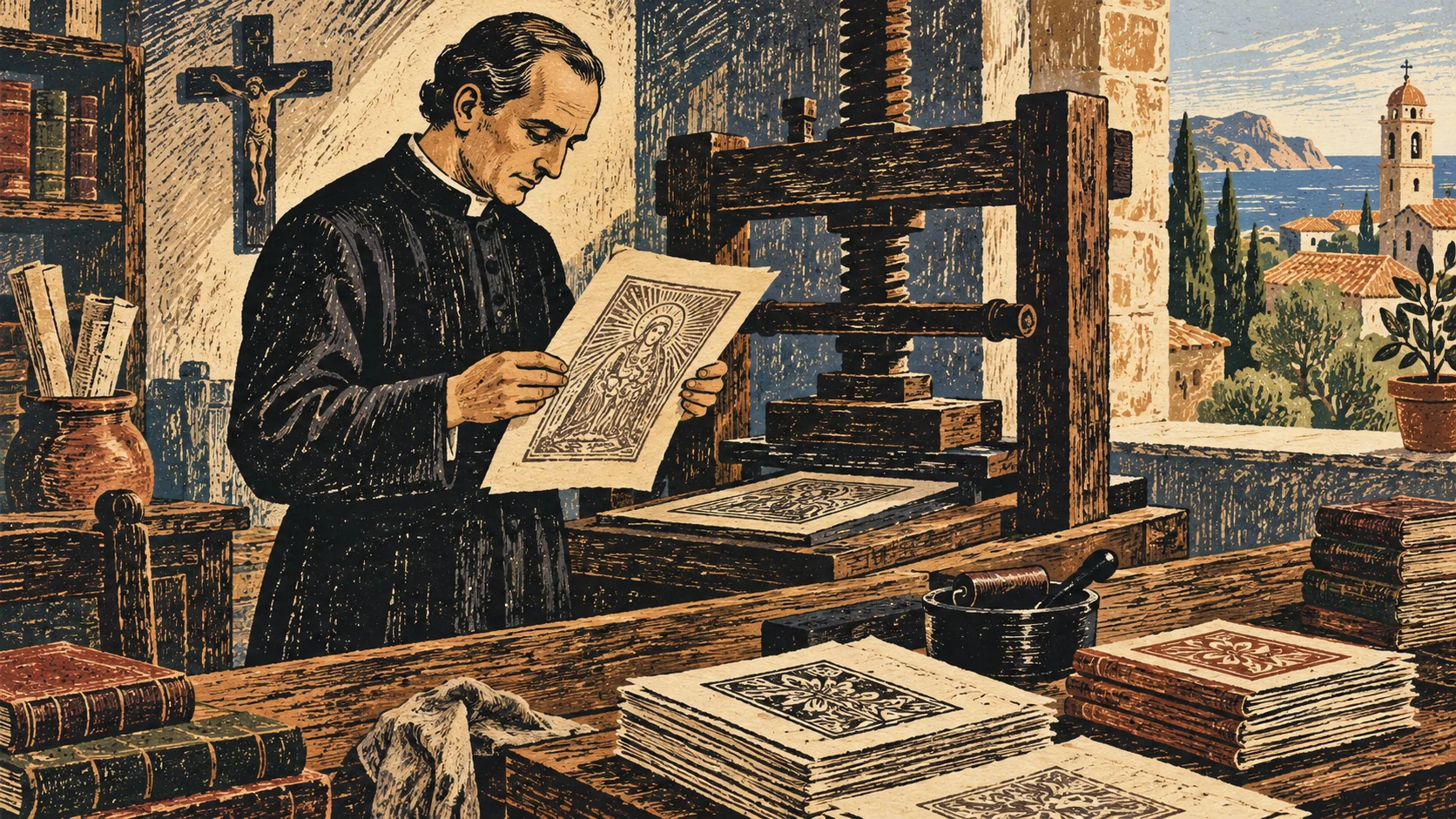
Before a message travels, someone chooses its words. St. Anthony Mary Claret understood the reach of the printed page in the nineteenth century. His life gives Catholics a useful starting point for thinking about a very modern responsibility: what we publish, forward, and repeat.
A missionary who put words to work
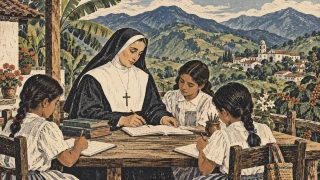
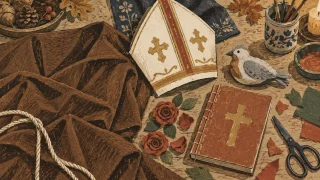
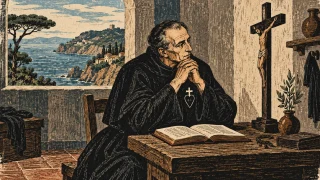
Claret was born in Catalonia in 1807, worked in the textile trade, and became a priest. He preached widely, founded the missionary community now known as the Claretians in 1849, and served as archbishop of Santiago de Cuba. Books and other printed material were part of his work of religious education. He died in exile in France in 1870. His feast is October 24. Franciscan Media summarizes his life.
The person on the other side of the page
Religious communication can become preoccupied with being noticed. A better first question is what the reader needs. Someone encountering a parish website may be looking for a Mass time, the entrance with a ramp, or reassurance that a child making noise will be welcome. They may not know the vocabulary regular parishioners take for granted.
Before publishing, imagine that reader. Explain abbreviations. Put the essential information near the beginning. Include a clear date on time-sensitive announcements. If an invitation promises that everyone is welcome, make the practical details support that promise.
A checklist before sharing a Catholic news story
- Open the article. Headlines and social images can omit the qualification that changes the meaning.
- Check the date. An old statement can circulate as though it describes a new event.
- Find the original. When possible, read the full document, parish notice, or official announcement.
- Separate reporting from opinion. A writer’s interpretation is not automatically the wording of Church teaching.
- Ask what your comment adds. A question, useful context, or a respectful correction may help more than an angry caption.
If you discover that you shared something inaccurate, correct it where the original audience can see the correction. Quietly deleting a post may leave the mistaken impression intact among people who already read it.
Write one useful thing this week
You do not need a large audience to practice this care. Rewrite a confusing ministry announcement. Add the address and time to an invitation. Send a friend a reliable source with a sentence explaining why it helped you. These small acts make information easier to use.
For a parish team, try asking someone unfamiliar with the ministry to read the next announcement. Have them explain what they think they are being invited to do. Their questions will reveal gaps that an experienced volunteer may no longer notice.
A legacy for the age of instant sharing
Claret’s setting was different from ours, and a modern communications checklist is not his own writing. Yet his attention to publishing invites us to take words seriously. A message can travel farther than its author expects. Give it the care you would give a conversation with the person who most needs to understand it.