A life can contain chapters that seem impossible to connect. Raphael Kalinowski was an engineer, a participant in an uprising, an exile, a tutor, and finally a Carmelite priest. His story can speak to anyone trying to begin again without pretending the earlier chapters never happened.
From engineering to exile and Carmel
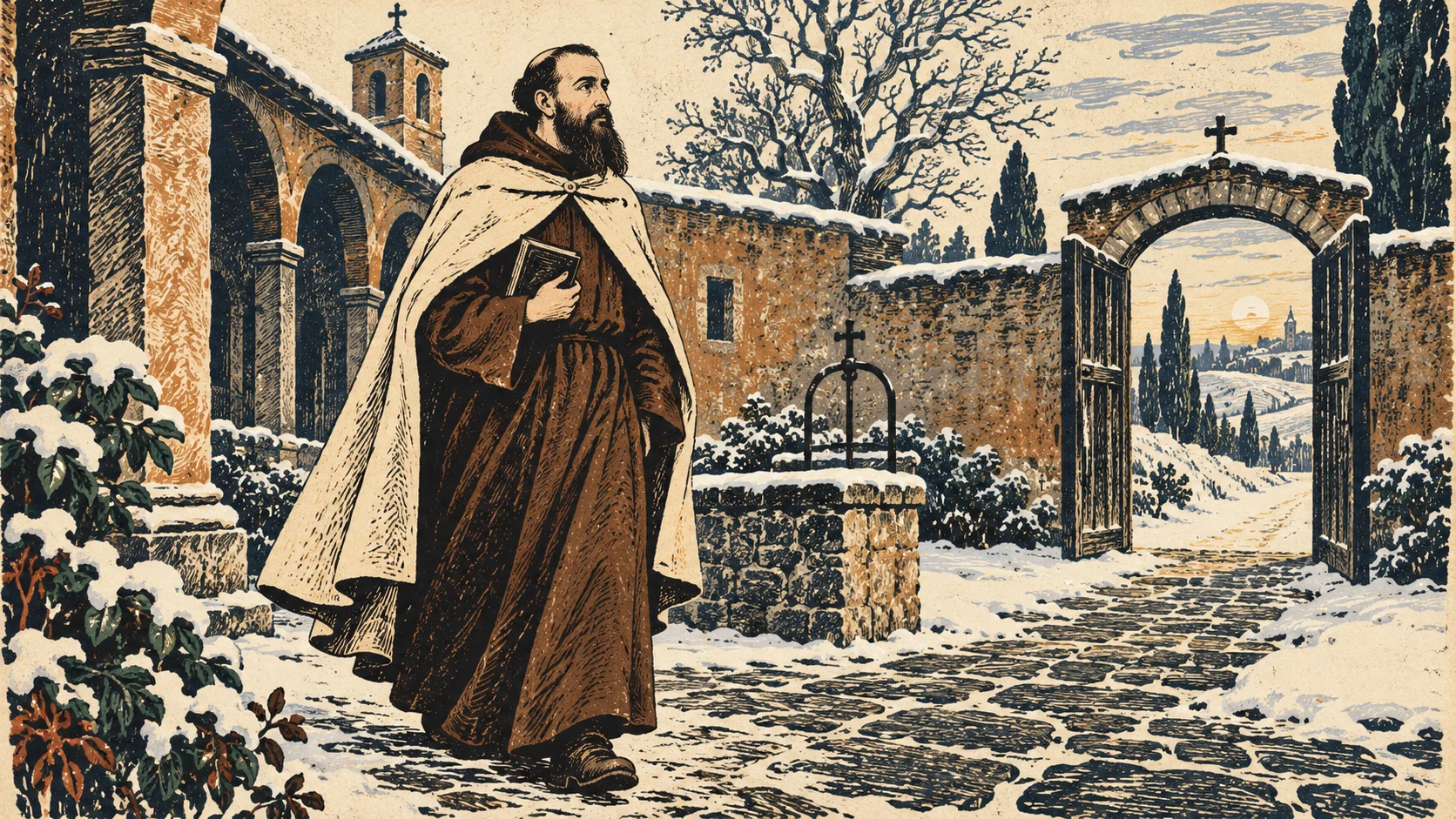
Born Joseph Kalinowski in Vilna in 1835, he trained in military engineering and served in the Russian army. He later joined the Polish uprising of 1863. Arrested in 1864, he received a death sentence that was commuted to years of exile and labor in Siberia. After his return he worked as a tutor and entered the Discalced Carmelites, taking the name Raphael. He became a priest in 1882, died in 1907, and was canonized in 1991. The Vatican biography documents these stages of his life.
A new beginning can use old skills
When circumstances change, it is easy to describe the previous years as wasted. Try a different exercise: list the skills, relationships, and habits you carry forward. An interrupted career may have taught patience with complicated systems. Caregiving may have developed practical attention that another setting needs.
This does not make hardship desirable or require gratitude for injustice. It simply asks what remains available to you now. Begin with one ability you can use in a modest, realistic way.
Support someone whose life has changed
A person returning from a long absence, moving after a loss, or starting over in a new community may face many small unfamiliar tasks. Offer help that leaves them room to choose.
- Explain how to find a local service or parish contact.
- Invite them to one specific gathering and describe what to expect.
- Ask before sharing their story with other people.
- Continue ordinary friendship after the first week of attention passes.
Avoid insisting that they summarize their experience as a lesson for everyone else. Listening does not require extracting an uplifting conclusion.
A prayerful review of a turning point
Set aside a little time with paper and a pen. Write three headings: what has ended, what remains, and what may begin. Place under each only what you can name honestly. Some spaces may stay empty.
Bring the page to prayer. Ask for help with the next responsible step rather than a complete explanation of the future. If a decision involves others, include them in the conversation at the appropriate time.
Faithfulness after disruption
Raphael’s later vocation grew within a life already marked by dramatic change. His story does not promise an easy resolution to every loss. It does offer a reason to remain open to meaningful work, friendship, and prayer in a chapter you did not expect to live.