The last evening of October and the first two days of November can feel like three unrelated appointments: costumes, church, and a visit to a grave. For a Catholic family, they can also become a gentle sequence of celebration, gratitude, and prayer. You do not need an elaborate party or a new set of decorations to make the connection.
In 2026, Halloween falls on Saturday, October 31; All Saints’ Day is Sunday, November 1; and All Souls’ Day is Monday, November 2. The liturgical dates are listed in the USCCB’s 2026 calendar. Here is a practical plan you can adapt for children, adults, or a household of one.
What is the difference between All Saints and All Souls?
All Saints celebrates the saints in heaven, including those whose names the wider world does not know. All Souls is a day of prayer for the faithful departed. That distinction helps explain why the two days have different moods while belonging close together: we rejoice in holiness and entrust those who have died to God’s mercy. The U.S. bishops connect both observances with Christian hope beyond death.
Saturday, October 31: leave room for delight
If your household enjoys costumes or trick-or-treating, make the evening manageable. Agree on the route, timing, and a comfortable stopping point. A child who dislikes masks or noise may prefer handing out treats with an adult or staying home for a story.
Before bed, introduce the next day’s celebration in one sentence: “Tomorrow we thank God for the saints and ask for help following Jesus.” Choose a saint whose life connects with something your child cares about: animals, music, learning, friendship, or helping a neighbor. Read a short, reliable account together.
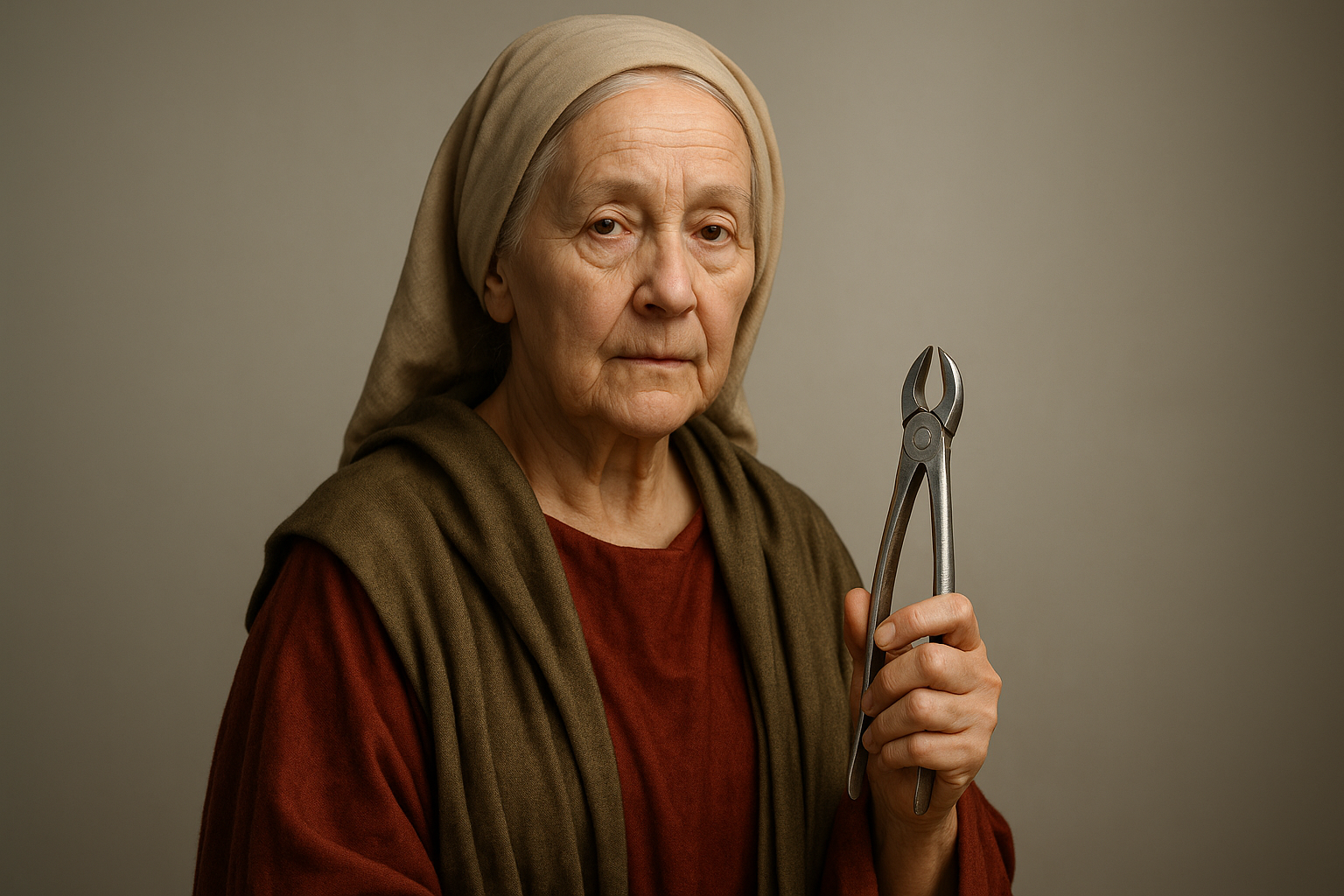
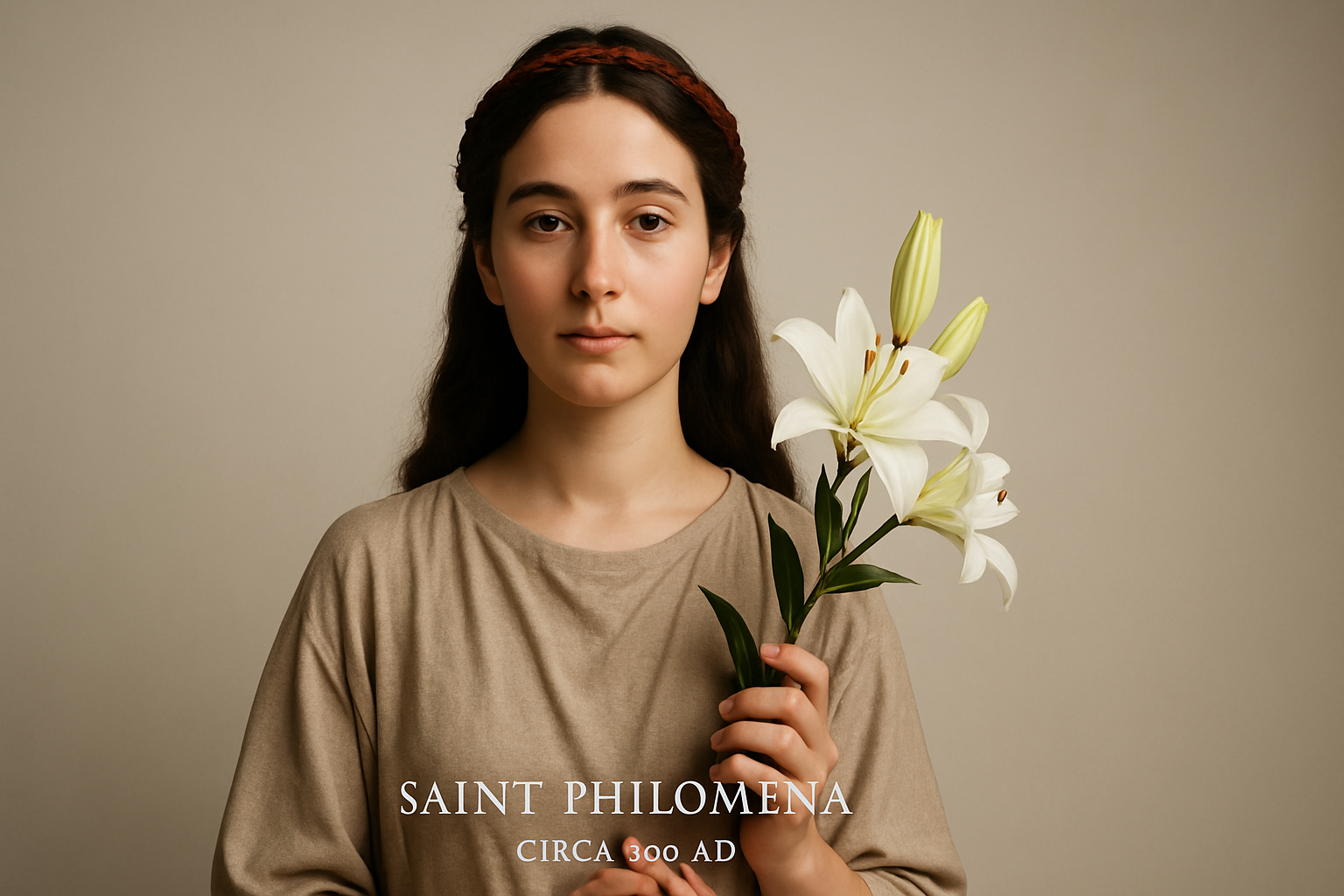
You can also prepare a simple saint costume for a parish gathering. Use clothing already at home and a paper symbol connected to the saint. Avoid making skin color, ethnicity, or another people’s sacred clothing into a costume.
Sunday, November 1: meet a saint as a person
Plan for Sunday Mass using your parish’s current schedule. Afterward, let each person share one thing they noticed: a word in a reading, an image, or a question. You do not need to turn the meal into a quiz.
Choose one story for the day. St. Thérèse’s Little Way can lead into a conversation about small acts of love. St. Martin de Porres can prompt a practical act of service. Ask: “What is one thing we could do because we read this?” Then keep the action small enough to complete.
Monday, November 2: remember someone by name
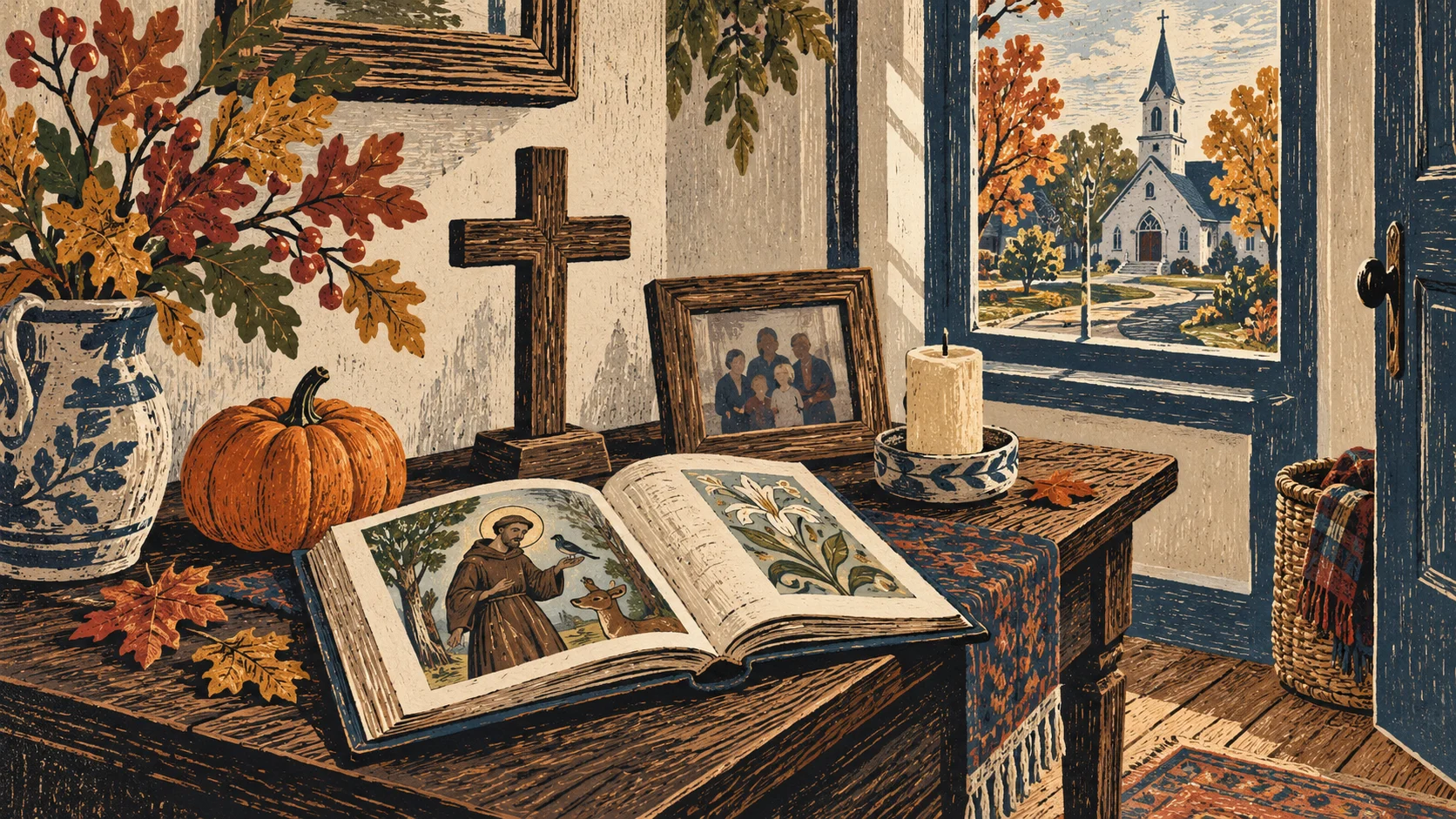
Set aside a few minutes to pray for people who have died. Place a photograph on a table if you wish, and let someone tell a short memory. A favorite recipe, a familiar expression, or a story about kindness can help children understand that remembering includes ordinary life.
If a cemetery visit is possible, check the opening hours and rules before leaving. Bring flowers only if permitted, stay on appropriate paths, and keep the visit short enough for everyone involved. A person unable to travel can pray at home or ask a relative to share a photograph of the grave.
The USCCB’s prayers for death and dying include prayers for those who have died. You may also offer a simple prayer in your own words, naming the person and asking God to receive them in mercy.
When children ask difficult questions
Answer the question they actually ask, using clear and gentle language. Avoid describing death as merely going to sleep, which can be confusing. It is all right to say that you do not know every answer and to bring a question to your parish priest or catechist.
Let children see that adults can be sad and hopeful at the same time. No one needs to be made to speak, touch a grave, or pose for a photograph. A quiet presence is participation too.
The smallest version of the plan
If the weekend is full, keep three things: one saint story, Sunday Mass, and one prayer for someone who has died. The value of the days does not depend on how much your household produces. A little attention can make their meaning memorable.