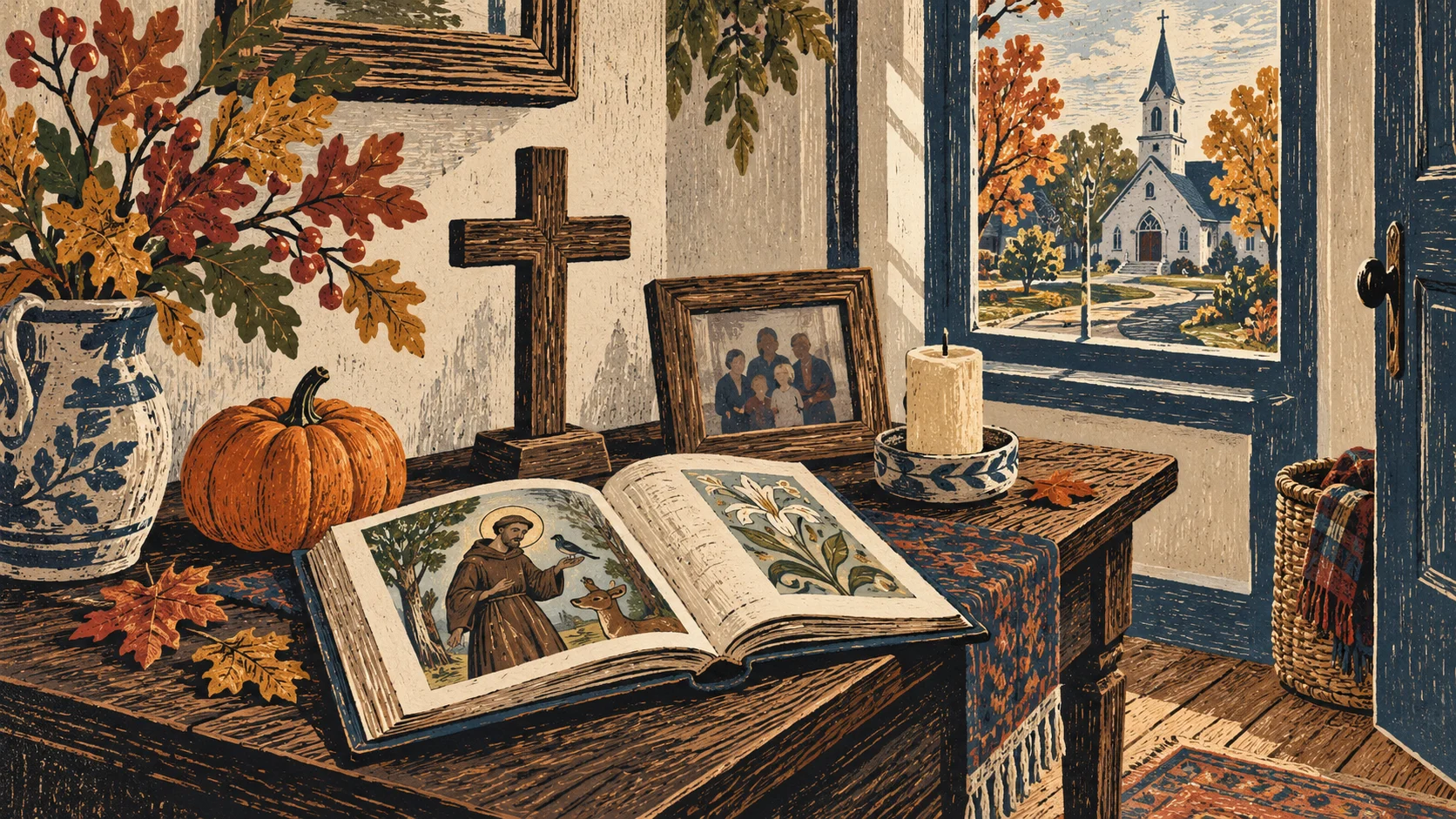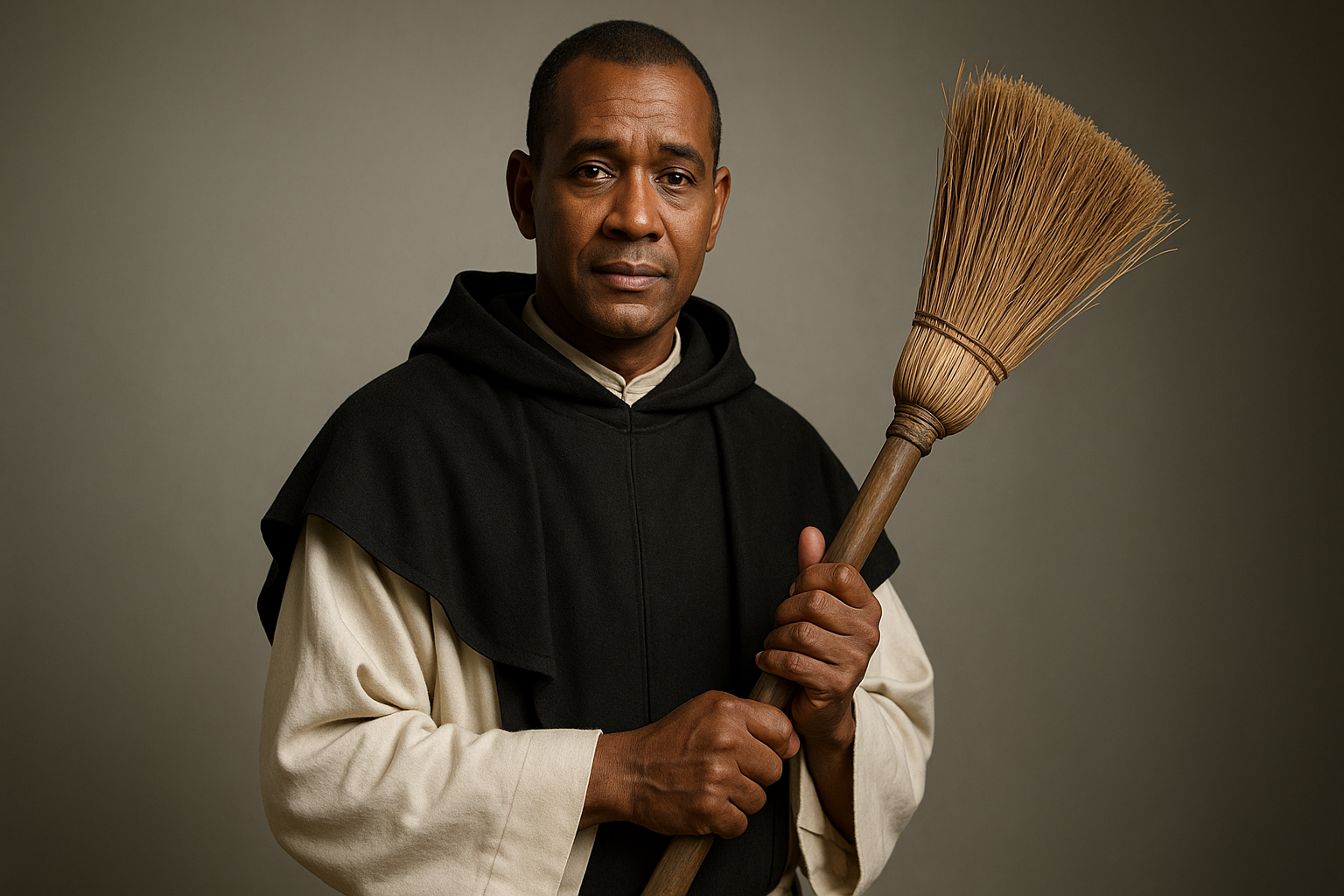
In the bustling colonial city of Lima, Peru, during the late 16th and early 17th centuries, a remarkable life unfolded – one that would quietly challenge the rigid social norms of its time and radiate boundless compassion. This was the life of Saint Martin de Porres, a humble Dominican lay brother whose existence was a living testament to charity, service, and profound spiritual depth. Often called the “Saint of the Broom” due to his dedication to the most menial tasks, Martin transcended the prejudices of his era, becoming a beacon of hope and a model of Christ-like love for all. This article delves into his extraordinary journey, exploring his early struggles, his unwavering call to serve, his mystical gifts, and the enduring legacy he offers to a world still striving for justice and harmony.
Quick Facts
| Category | Detail |
|---|---|
| Birth | December 9, 1579, Lima, Viceroyalty of Peru (modern-day Peru) |
| Death | November 3, 1639, Lima, Viceroyalty of Peru (modern-day Peru) |
| Feast Day | November 3 |
| Patronage | Social justice, racial harmony, barbers, hairdressers, public health workers, hotelkeepers, mestizos, innkeepers, mixed-race people, poor people, animals |
| Canonized | May 6, 1962, by Pope John XXIII |
Historical Context & Early Life
To truly understand Saint Martin de Porres, one must first grasp the complex world into which he was born. Lima, the capital of the Viceroyalty of Peru, was a thriving but deeply stratified society under Spanish colonial rule. The societal structure was a rigid hierarchy based largely on race and lineage. At the top were the European-born Spaniards, followed by Criollos (Spaniards born in the Americas). Below them were various mixed-race groups, including mestizos (of European and Indigenous descent) and mulattoes (of European and African descent), who often faced significant discrimination and limited opportunities. At the very bottom were the Indigenous peoples and enslaved Africans.
It was into this challenging environment that Martín de Porres Velázquez was born on December 9, 1579. His father was Don Juan de Porres, a Spanish knight and a prominent nobleman from Burgos, Spain, who served as governor of Panama and later as an official in Lima. His mother was Ana Velázquez, a freed black woman, likely a former slave, from Panama who resided in Lima. Their union, though common in colonial society, meant that Martin, as a mulatto, inherited the prejudices and limitations associated with his mixed heritage.
Martin’s early life was marked by poverty and the sting of social rejection. His father, though acknowledging him, offered little consistent support, and Martin and his younger sister, Juana, were raised primarily by their mother in difficult circumstances. From a young age, Martin experienced firsthand the injustices faced by those of his background. Despite these hardships, Ana Velázquez instilled in her son a deep sense of faith and compassion, often sharing what little they had with those even poorer than themselves.
As he grew, Martin was apprenticed to a barber-surgeon. In 17th-century Peru, this was a respected but practical profession that combined skills in hairstyling, dentistry, and basic medical care, including bloodletting and setting bones. This apprenticeship was formative for Martin, allowing him to develop practical skills in healing and caregiving. It was during this time that his innate compassion truly blossomed. He would spend hours tending to the sick and injured, often using his meager earnings to buy medicines or food for those who could not afford them. Even then, his quiet piety and boundless charity were evident to those around him, foreshadowing the extraordinary life of service that lay ahead.
Calling & Key Milestones
A Call to Humility: Joining the Dominicans
From a young age, Martin felt a strong pull towards religious life, specifically drawn to the Dominican Order known for its intellectual rigor and commitment to preaching. However, his mixed-race heritage presented a significant obstacle. Dominican monasteries in Lima, like most religious orders of the time, typically did not accept individuals of mixed race as full members. Undeterred, Martin approached the Dominican friars at the Rosary Convent in Lima in 1594, at the age of 15. Due to the prevailing racial restrictions, he was permitted to join only as a “donado” or lay helper. This meant he could live in the convent, wear a simplified habit, and dedicate himself to the community, but without the full rights and privileges of a professed brother or priest. He willingly embraced this humble position, viewing it as an opportunity for profound spiritual growth through service. He took on the most menial and undesirable tasks: cleaning the infirmary, sweeping floors, washing clothes, and tending to the gardens. No task was beneath him; he performed each with exceptional diligence and a spirit of joyful humility, recognizing that in serving his brothers, he was serving Christ Himself. After nine years of dedicated service as a donado, the Dominicans, recognizing his profound holiness and tireless charity, broke with tradition and allowed him to take simple vows as a lay brother in 1603. He later made his solemn profession.
Service to the Sick and Poor
Martin’s life within the Dominican convent became a perpetual ministry of charity. He took charge of the infirmary, where his barber-surgeon skills proved invaluable. He tended to the sick and suffering friars with extraordinary care, often working through the night. But his compassion extended far beyond the convent walls. He saw Christ in every suffering person and dedicated himself to caring for the poor, the abandoned, and the sick throughout Lima. He was known to bring the sickest and most destitute individuals, including beggars, street children, and even animals, into the convent’s infirmary, much to the initial consternation of some of his fellow friars. Martin’s commitment to the marginalized knew no bounds. He established an orphanage and a children’s hospital, funded through his tireless efforts of begging for alms. He also provided food, clothing, and medicine to countless families in need, often performing miraculous healings alongside his practical care. His reputation as a healer and a man of God spread rapidly, and people from all walks of life, including viceroys and archbishops, sought his counsel and prayers.
Mystical Gifts and Extraordinary Abilities
Saint Martin de Porres was also blessed with remarkable mystical gifts, which were seen not as ends in themselves but as reflections of his deep union with God. He was known to experience ecstasies during prayer, sometimes seen levitating in the chapel. He possessed the gift of bilocation, appearing simultaneously in two places to assist those in need, sometimes even traveling to distant lands like Africa, China, and Japan to assist missionaries, despite never physically leaving Lima. He also had an extraordinary rapport with animals, who seemed to obey his commands. Stories recount him speaking to dogs, cats, and even mice, often seen eating peacefully from the same dish, symbolizing harmony and peace in creation. These extraordinary occurrences were always accompanied by his profound humility; he never sought attention for these gifts, attributing all power and goodness to God. He also exhibited prophetic insight and discernment, offering wise spiritual guidance to those who sought him out, helping them resolve their doubts and find peace with God.
Champion of Racial Harmony
Perhaps one of the most significant, though often understated, aspects of Saint Martin’s life was his unwavering commitment to racial equality and harmony in a deeply segregated society. As a mixed-race individual, he had personally experienced the pain of prejudice. Yet, he never allowed bitterness to take root. Instead, he radiated universal love, treating every person with the same dignity and respect, regardless of their skin color, social standing, or origin. He cared for Indigenous people, African slaves, Spanish noblemen, and Criollos alike, seeing beyond their external differences to the inherent worth of each soul created in God’s image. He actively worked to bridge divides, fostering peace between different ethnic groups and encouraging mutual respect. His actions were a living sermon, challenging the systemic racism of his era and offering a powerful example of Christian love that transcends all man-made barriers. In his humble life, Martin de Porres demonstrated that true holiness demolishes distinctions and embraces the common humanity we all share under God.
Spiritual Legacy & Theological Themes
Saint Martin de Porres’s spiritual legacy is profound and far-reaching, emphasizing virtues that are deeply rooted in Scripture and Catholic teaching. At the core of his sanctity were three interconnected themes: radical humility, boundless charity, and a deep reverence for the dignity of every human person.
His humility was not merely a passive acceptance of his low status but an active, joyful embrace of self-effacement. He deliberately sought the lowliest tasks, not out of false modesty, but because he saw in them an opportunity to imitate Christ, who “emptied himself, taking the form of a servant” (Philippians 2:7). This profound humility enabled him to serve without ego, seeing himself as a mere instrument of God’s love. It taught him to be truly free, unbound by human judgment or social expectations.
His charity was comprehensive, extending to the physically ill, the spiritually troubled, the socially outcast, and even animals. Martin embodied the Gospel call to love one’s neighbor as oneself, and critically, to love the “least of these” (Matthew 25:40). He didn’t just give alms; he gave himself entirely, nursing the sick, comforting the distressed, and advocating for the voiceless. His life was a continuous act of mercy, demonstrating that love is not just a feeling but an active choice to alleviate suffering and uplift others.
Theologically, Martin de Porres’s life affirms the Catholic teaching on the inherent dignity of every human being, created in the image and likeness of God. In a society that categorized and devalued people based on race, Martin’s unwavering respect for all individuals, regardless of their background, was a powerful prophetic witness. He showed that sanctity flourishes even in the midst of social injustice and that God’s grace can elevate the humble to extraordinary heights of holiness. His life is a powerful reminder that true Christian discipleship calls us to dismantle prejudice and build bridges of love.
His lasting influence on the Church is evident in his widespread veneration, particularly in Latin America and among communities of color worldwide. He is a powerful intercessor for social justice and racial harmony, inspiring countless individuals and organizations to work towards a more equitable and compassionate world. His life also stands as a testament to the universal call to holiness – that sanctity is attainable not just by priests or religious superiors, but by anyone, even a humble lay brother, who dedicates their ordinary life to extraordinary love for God and neighbor.
Devotion Today
The devotion to Saint Martin de Porres has flourished globally, transcending cultural and geographic boundaries, particularly strong in the Americas where his message of social justice and racial harmony resonates deeply. His feast day is celebrated annually on November 3rd, marked by special Masses, novenas, and community gatherings, especially in his native Peru and in many African-American and Latino Catholic communities across the United States.
His primary shrine is the Dominican Convent of Santo Domingo in Lima, Peru, where he lived, worked, and died. His tomb is a place of pilgrimage, drawing thousands of faithful seeking his intercession for healing, peace, and justice. The convent also houses the rooms where he lived and practiced his ministry, allowing pilgrims a tangible connection to his humble life. Numerous churches, schools, and charitable organizations worldwide are named in his honor, serving as centers of prayer, education, and social outreach, continuing his work of caring for the poor and marginalized.
Saint Martin de Porres remains a beloved figure for his powerful example of humility, charity, and steadfast faith in the face of prejudice. He is often invoked for those suffering from illness, poverty, or discrimination, and is seen as a powerful intercessor for racial reconciliation and social justice. His simple, profound life continues to inspire countless individuals to live out the Gospel message of love and service in their daily lives, reminding us that extraordinary holiness can be found in the most ordinary acts of kindness.
Reflections for Modern Readers
Saint Martin de Porres, the humble Dominican lay brother from 17th-century Peru, offers incredibly relevant lessons for us today in the 21st century. His life, though lived centuries ago, provides practical pathways to holiness and genuine human connection in our often-complex world.
- Embrace Humility in Action: Martin’s profound humility was not about putting himself down but about lifting others up. He found dignity and purpose in serving, no matter how menial the task. For us, this means seeing value in every act of service, whether it’s volunteering at a local shelter, doing chores at home without complaint, or simply listening patiently to a friend. True greatness, as Martin showed, isn’t about recognition, but about making a difference where you are called. Imagine dedicating yourself fully to your job, not for praise, but for the good you can do for others; that’s living Martin’s humility.
- Practice Boundless Charity: Martin’s love knew no bounds of race, status, or species. He welcomed the sick, the poor, and even animals into his care. In a world often divided by economic, social, or political lines, Martin challenges us to extend our compassion universally. This could mean actively seeking out ways to support marginalized communities, offering a helping hand to a newcomer, or simply challenging our own unconscious biases. When we choose to see Christ in every person, as Martin did, we break down barriers and build bridges of genuine love.
- Find Holiness in the Ordinary: Martin de Porres reminds us that sanctity isn’t reserved for grand gestures or dramatic miracles, but is cultivated in the quiet, consistent dedication to everyday duties. He swept floors and nursed wounds with the same fervent love. For modern readers, this means transforming our daily routines into acts of prayer and service. Cooking a meal for your family, diligently performing your job, or patiently raising children can all become paths to holiness if done with intention and love. It’s about bringing a sacred heart to secular tasks.
- Persevere Through Prejudice: Martin faced discrimination due to his mixed heritage, yet he responded not with bitterness, but with unwavering love and dignity. His life is a powerful witness for anyone who has experienced prejudice or injustice. He teaches us that while we must work for justice, we can also choose how we react to adversity. By responding with grace, forgiveness, and continued compassion, we can transform suffering into a powerful witness of faith. Think of advocating for fair treatment in the workplace or community, not with anger, but with a firm, loving commitment to justice.
- Intercede for the Vulnerable: As patron of social justice and racial harmony, Martin is a powerful ally in prayer. His life exemplified active solidarity with the suffering. For us, this means not only praying for peace and justice but also taking concrete steps to support those who are vulnerable. Whether it’s advocating for fair policies, supporting organizations that serve the poor, or simply befriending someone who is lonely, we can continue his legacy of compassionate action.
In art and jewelry, Saint Martin de Porres is commonly depicted in the simple white habit and black scapular of a Dominican lay brother. He is almost always shown with a broom, symbolizing his humility and dedication to manual labor. Other frequent symbols include a cross or rosary, representing his deep faith, and often a dog, cat, and mouse eating from the same dish, which illustrates his extraordinary rapport with animals and his message of harmony across all of God’s creation. He may also be shown with a basket of food or medicine, signifying his boundless charity and healing ministry, or with a poor person, reflecting his patronage of the marginalized. These representations serve as visual reminders of his core virtues and his powerful spiritual message.
Timeline Summary
- 1579: Born on December 9 in Lima, Viceroyalty of Peru, to Don Juan de Porres and Ana Velázquez.
- 1591: Apprenticed as a barber-surgeon, learning medical skills.
- 1594: Joins the Dominican Rosary Convent in Lima as a “donado” (volunteer helper), due to racial restrictions.
- 1603: Professes simple vows as a lay brother in the Dominican Order, a rare exception due to his sanctity.
- 1603-1639: Dedicates his life to tireless service in the convent infirmary and to the poor, sick, and abandoned of Lima. Known for his profound humility, charity, and mystical gifts (bilocation, levitation, animal communication, healing).
- 1639: Dies on November 3 at the Rosary Convent in Lima, aged 59.
- 1837: Beatified by Pope Gregory XVI.
- 1962: Canonized by Pope John XXIII on May 6, honoring his life of service in Peru.
Scripture for Reflection
Saint Martin de Porres’s life vividly illustrates several key Gospel truths. Two passages particularly illuminate his core virtues and life’s work:
Matthew 25:40 (ESV): “And the King will answer them, ‘Truly, I say to you, as you did it to one of the least of these my brothers, you did it to me.’”
This verse encapsulates Martin’s entire ministry. He saw Christ in every suffering, marginalized, and overlooked person he served. His radical charity wasn’t simply philanthropy; it was an act of profound love for Jesus Himself. He never differentiated between persons, treating everyone, from the highest official to the lowliest beggar, with the same dignity and compassionate care, understanding that in serving them, he was serving God.
Philippians 2:3-4 (ESV): “Do nothing from selfish ambition or conceit, but in humility count others more significant than yourselves. Let each of you look not only to his own interests, but also to the interests of others.”
This passage perfectly describes Martin’s extraordinary humility and self-emptying love. Despite facing social prejudice and being relegated to a “lower” status within the convent, he embraced his position with joy and used it as an opportunity to serve others above himself. His life was a living example of truly valuing others more than himself, consistently prioritizing their needs and well-being over his own comfort or recognition.
Prayers to Saint Martin de Porres
Saint Martin de Porres is a powerful intercessor, especially for those seeking justice, healing, or an increase in charity and humility. Here are two prayers commonly offered for his intercession:
Prayer for Charity and Humility
Most humble Martin de Porres, whose constant prayer was, “I adore you, O Lord, I praise you, and I bless you,” we come to you today seeking your intercession. You, who were a tireless servant of the poor, the sick, and the abandoned, teach us to see Christ in every person, regardless of their background or circumstance. Inspire us to follow your example of radical charity, sharing our blessings with those in need and comforting the suffering.
You embraced the lowest tasks with joy and profound humility, showing us that true greatness lies not in worldly honor but in selfless service. Help us to overcome our pride and self-interest, and to cultivate a spirit of genuine humility in all our actions. May we, like you, strive for holiness in our everyday lives, transforming ordinary duties into acts of extraordinary love for God and neighbor.
Through your powerful intercession, we ask for the grace to live lives of deep faith, unwavering hope, and boundless charity. Amen.
Prayer for Racial Harmony and Justice
O glorious Saint Martin de Porres, who knew the pain of prejudice and the joy of divine love, we turn to you for guidance and strength. In a world still scarred by division and injustice, you stand as a beacon of unity and compassion. You treated every person as a beloved child of God, dismantling the barriers of race and social class through your acts of service and unwavering respect.
We ask for your powerful intercession in promoting racial harmony and true justice throughout the world. Inspire leaders and individuals alike to recognize the dignity of every human life, to challenge systemic injustices, and to work tirelessly for reconciliation and understanding. Help us to foster communities where love triumphs over hatred, and where all people are valued, respected, and treated with equity and kindness.
Saint Martin, example of humility and apostle of charity, pray for us, that we may build a society truly reflective of God’s kingdom, where peace and justice reign for all. Amen.