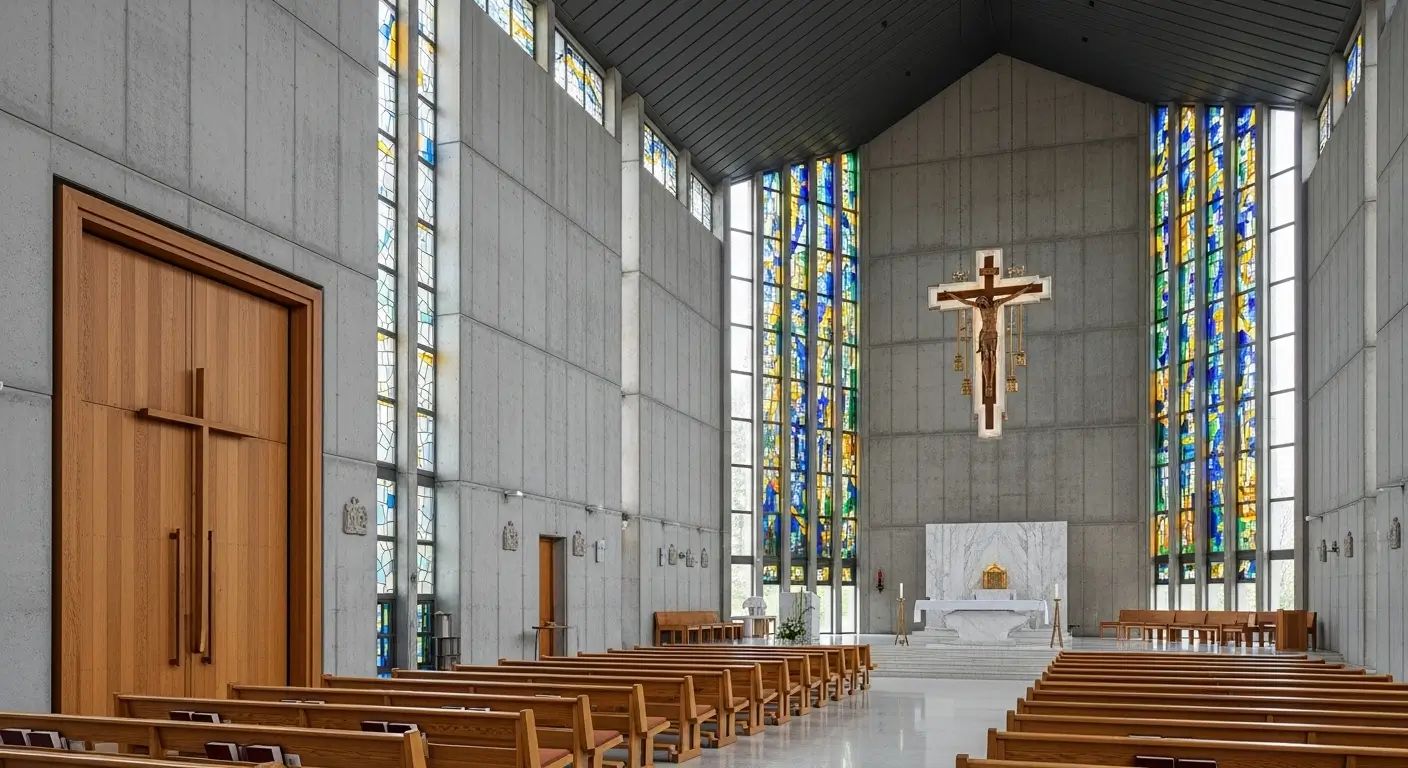
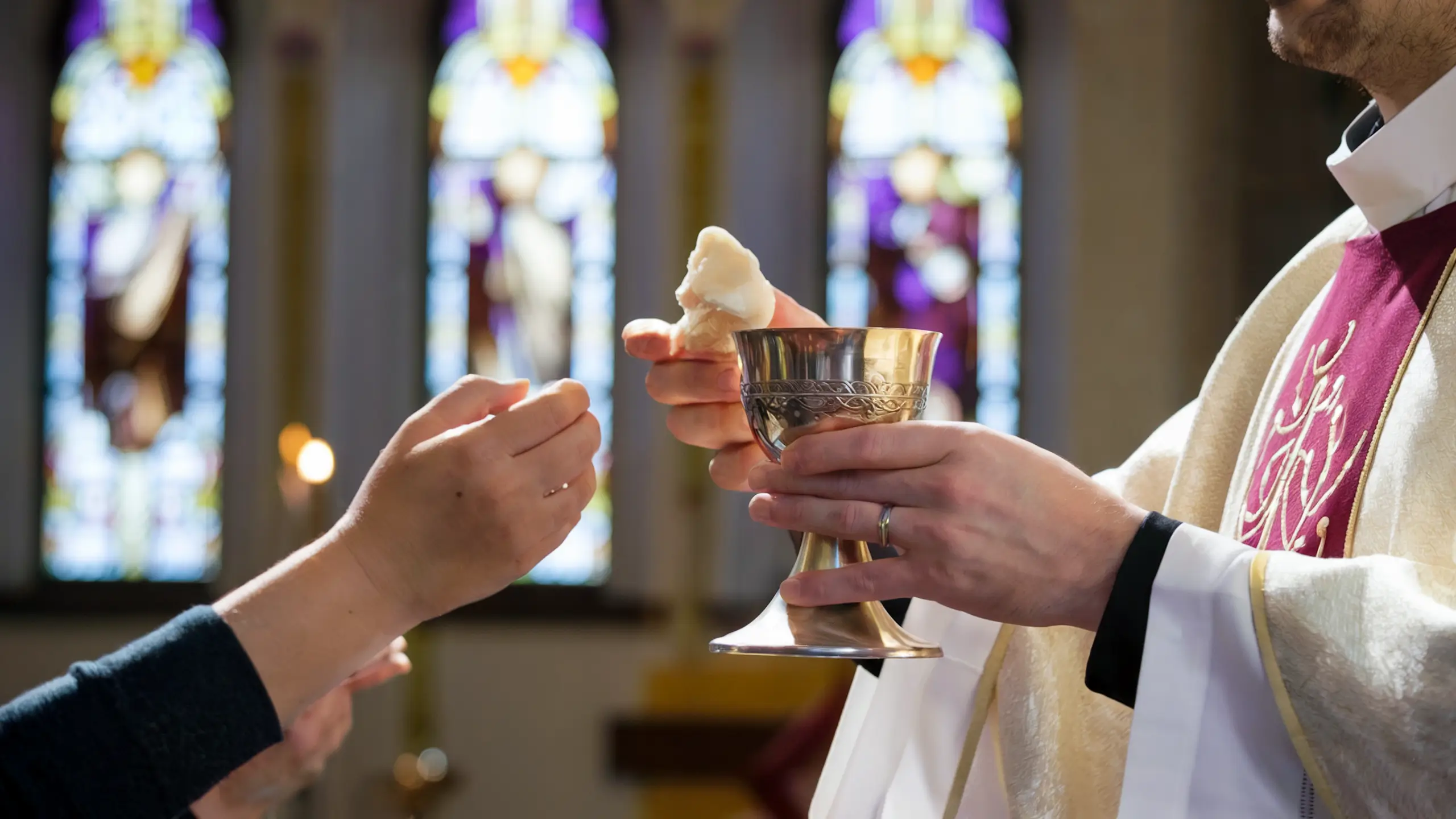
The Prayer for Spiritual Communion is a significant devotional practice in the Catholic Church, enabling believers to express their deep desire to unite with Jesus Christ in the Eucharist when they are unable to receive the sacrament physically. This spiritual exercise has gained particular importance during times when attending Mass or receiving Communion is not feasible due to illness, distance, or extraordinary circumstances.
Origin and Significance
The concept of Spiritual Communion has its roots in early Christian tradition. Prominent theologians and saints, such as St. Thomas Aquinas and St. Alphonsus Liguori, emphasized the value of a heartfelt longing for Christ’s presence. They taught that when physical reception of the Eucharist is not possible, a sincere prayer inviting Jesus into one’s soul can bestow spiritual benefits and graces comparable to those received through the sacrament itself.
This practice encourages the faithful to maintain a continuous connection with Christ, fostering spiritual growth and reinforcing faith. It serves as a reminder that God’s grace is not limited to physical sacraments but is accessible to all who earnestly seek Him.
Different Versions of the Prayer
Over the centuries, various versions of the Prayer for Spiritual Communion have been composed, reflecting the personal devotion and theological insights of their authors. While the wording may differ, the central theme remains consistent: an earnest desire to receive Jesus spiritually when sacramental Communion is not possible.
1. Traditional Version
The traditional prayer expresses belief in Jesus’ real presence in the Eucharist, a profound love for Him, and a longing to receive Him into the soul. It acknowledges the inability to receive Him sacramentally and invites Him to come spiritually into the heart, embracing Him as if already present and uniting oneself wholly to Him.
2. St. Alphonsus Liguori’s Version
Attributed to St. Alphonsus Liguori, this version emphasizes a deep personal relationship with Jesus. It conveys a heartfelt plea for spiritual union, asking Jesus to never allow the individual to be separated from Him.
3. Simplified Version
A shorter, more accessible prayer, suitable for people of all ages, simply expresses belief in Jesus, acknowledges the inability to receive Him in Holy Communion, and invites Him to dwell in the heart perpetually.
Translations of the Traditional Prayer
Below is a table that presents the traditional Prayer for Spiritual Communion in different languages. Each translation captures the essence of the original prayer, allowing believers worldwide to express their devotion in their native tongue.
| Language | Prayer for Spiritual Communion |
|---|---|
| English | My Jesus, I believe that You are present in the Most Holy Sacrament. I love You above all things, and I desire to receive You into my soul. Since I cannot at this moment receive You sacramentally, come at least spiritually into my heart. I embrace You as if You were already there and unite myself wholly to You. Never permit me to be separated from You. Amen. |
| Spanish | Jesús mío, creo que estás presente en el Santísimo Sacramento. Te amo sobre todas las cosas, y deseo recibirte en mi alma. Ya que ahora no puedo recibirte sacramentalmente, ven al menos espiritualmente a mi corazón. Como si ya te hubieras recibido, te abrazo y me uno todo a Ti. No permitas que jamás me separe de Ti. Amén. |
| French | Mon Jésus, je crois que Vous êtes présent dans le Très Saint Sacrement. Je Vous aime par-dessus toutes choses et je désire Vous recevoir dans mon âme. Puisque je ne peux à présent Vous recevoir sacramentellement, venez au moins spirituellement dans mon cœur. Je Vous embrasse comme si Vous y étiez déjà, et je m’unis entièrement à Vous. Ne permettez pas que je sois jamais séparé de Vous. Amen. |
| Italian | Gesù mio, credo che sei presente nel Santissimo Sacramento. Ti amo sopra ogni cosa e ti desidero nell’anima mia. Poiché ora non posso riceverti sacramentalmente, vieni almeno spiritualmente nel mio cuore. Come già venuto, io ti abbraccio e tutto mi unisco a te. Non permettere che abbia mai a separarmi da te. Amen. |
| German | Mein Jesus, ich glaube, dass Du im heiligsten Sakrament gegenwärtig bist. Ich liebe Dich über alles, und meine Seele sehnt sich nach Dir. Da ich Dich jetzt nicht im Sakrament empfangen kann, komm geistigerweise in mein Herz. Ich umarme Dich, als wärst Du schon da, und vereinige mich ganz mit Dir. Lass nicht zu, dass ich mich je von Dir trenne. Amen. |
| Portuguese | Meu Jesus, creio que estás presente no Santíssimo Sacramento. Amo-Vos sobre todas as coisas e desejo receber-Vos na minha alma. Já que agora não posso receber-Vos sacramentalmente, vinde ao menos espiritualmente ao meu coração. Como se já Vos tivesse recebido, eu Vos abraço e me uno todo a Vós. Não permitais, Senhor, que jamais me aparte de Vós. Amém. |
| Latin | Domine Iesu, credo te praesentem esse in Sanctissimo Sacramento. Te amo super omnia, et desidero te in animam meam recipere. Quoniam nunc non possum te sacramentaliter accipere, veni spiritualiter in cor meum. Te amplexor ac si iam esses in me, et me tibi totum committo; ne permittas me umquam a te separari. Amen. |
| Polish | Jezu mój, wierzę, że jesteś obecny w Najświętszym Sakramencie. Kocham Cię nad wszystko i pragnę Cię w duszy mojej. Ponieważ nie mogę Cię teraz przyjąć sakramentalnie, przyjdź duchowo do serca mego. Przyjmuję Cię, jakobyś już do mnie przyszedł i łączę się z Tobą całkowicie. Nie dozwól, abym kiedykolwiek oddalił się od Ciebie. Amen. |
| Tagalog | O aking Jesus, naniniwala akong Ikaw ay naririto sa Kabanal-banalan Sakramento. Iniibig Kita higit sa lahat ng bagay at ninanais Kitang tanggapin sa aking kaluluwa. Dahil sa ngayon hindi Kita matatanggap sa paraang sakramental, pumarito Ka nawa nang espiritwal sa aking puso. Tinatanggap Kita na parang narito Ka na at ini-uukol ko nang lubusan ang aking sarili sa Iyo. Huwag mong hayaang ako’y mawalay sa Iyo. Amen. |
| Swahili | Yesu wangu, naamini kuwa Upo katika Sakramenti Takatifu. Nakupenda kuliko vitu vyote, na ninatamani kukupokea katika roho yangu. Kwa kuwa sasa siwezi kukupokea sakramentally, njoo angalau kiroho moyoni mwangu. Nakukumbatia kama kwamba umekuja tayari na ninajiunga kabisa na Wewe. Usiruhusu kamwe niondoke mbali na Wewe. Amina. |
Conclusion
The Prayer for Spiritual Communion continues to be a vital practice for Catholics worldwide. It offers a profound means of grace, allowing believers to cultivate an intimate relationship with Jesus Christ, especially during times when participating in the Eucharist is not possible. This prayer reinforces the understanding that God’s presence transcends physical boundaries and that sincere devotion can bridge any gap.
By reciting this prayer, individuals affirm their faith, express their love for Christ, and invite Him to dwell in their hearts continually. It serves as a powerful reminder of the spiritual connection that binds the faithful to God and to each other within the universal Church.
Note: The translations provided aim to reflect the traditional wording of the Prayer for Spiritual Communion in each language. Variations may exist based on regional usage or specific liturgical texts.