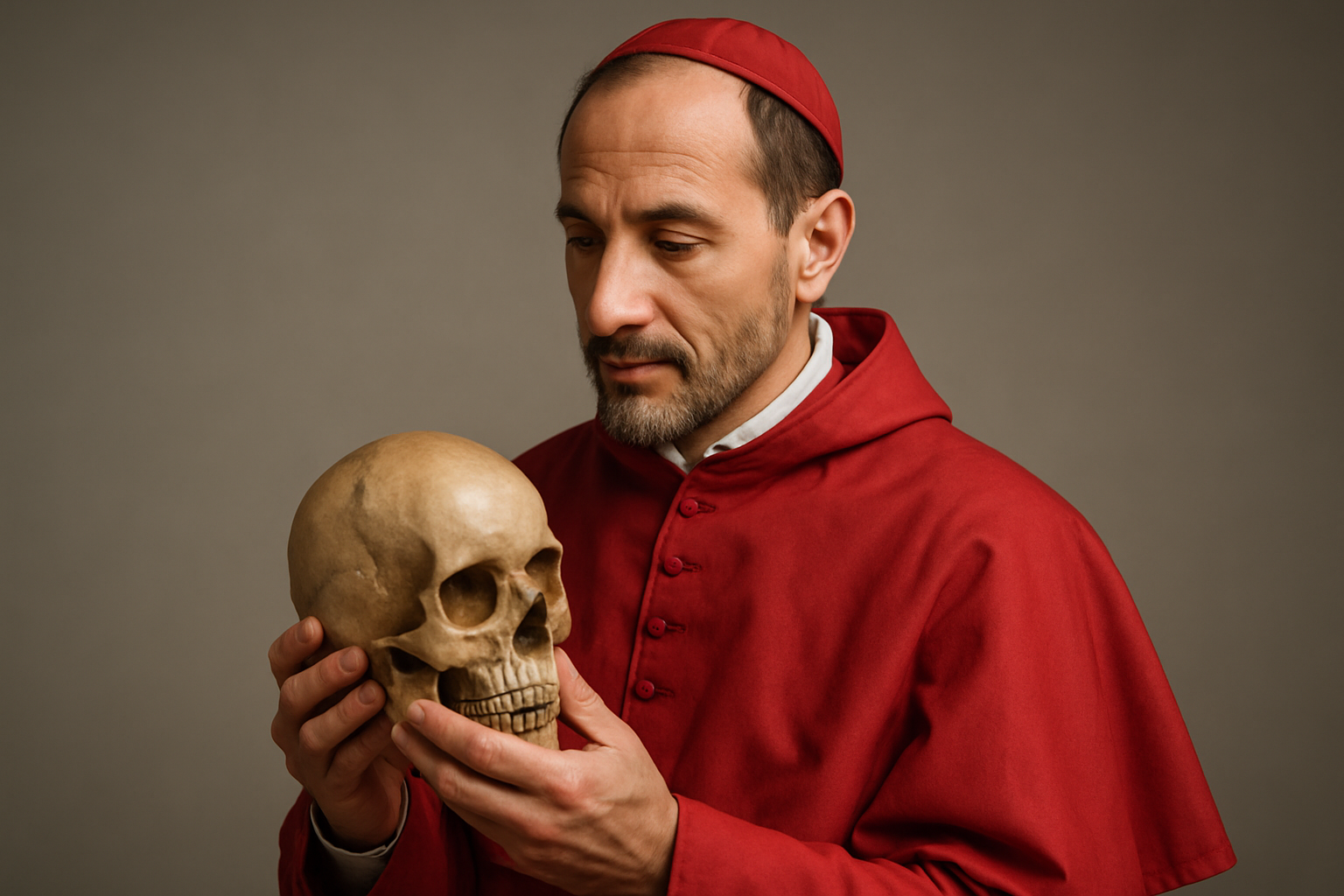
In the vibrant, tumultuous era of the 16th century, a time of profound change and spiritual awakening in the Catholic Church, one figure emerged as a towering beacon of reform, pastoral zeal, and heroic charity: St. Charles Borromeo. Born into immense privilege, Charles initially seemed destined for a life of worldly influence, but a powerful call to serve God transformed him into a tireless architect of the Counter-Reformation. His life, marked by intellectual brilliance, deep personal piety, and an unwavering commitment to the spiritual renewal of the Church, particularly as the Archbishop of Milan, continues to inspire Catholics today. This article will explore his remarkable journey, from his noble birth and formative experiences to his pivotal role in implementing the decrees of the Council of Trent, his enduring spiritual legacy, and how his virtues offer timeless lessons for modern believers.
Quick Facts
| Detail | Information |
|---|---|
| Birth | October 2, 1538, Arona, Lombardy, Italy |
| Death | November 3, 1584, Milan, Italy |
| Feast Day | November 4 |
| Patronage | Archbishops, bishops, cardinals, seminarians, catechists, spiritual directors, colleges, Lombardy, Milan, against plague, intestinal ailments |
| Canonized | November 1, 1610, by Pope Paul V |
Historical Context & Early Life
St. Charles Borromeo was born into a world grappling with seismic shifts, both political and religious. The 16th century was the height of the Protestant Reformation, a movement that challenged the unity and authority of the Catholic Church across Europe. In response, the Church initiated its own period of profound self-examination and renewal, known as the Counter-Reformation. This era saw intense theological debates, religious wars, and a renewed emphasis on Catholic doctrine, spiritual discipline, and pastoral care.
Italy, a collection of city-states and papal territories, was a hotbed of political intrigue and cultural renaissance. Charles entered this world on October 2, 1538, in Arona, a castle on the shores of Lake Maggiore in Lombardy. He was born into one of the most powerful and influential noble families of the time: the Borromeos. His mother, Margherita de’ Medici, was the sister of Giovanni Angelo de’ Medici, who would later become Pope Pius IV. This connection to a powerful papal family meant that Charles was destined for a life of prominence, whether in secular politics or the Church.
From an early age, Charles displayed remarkable intelligence and a serious disposition. While many noble children might have indulged in the luxuries of their birth, Charles showed an unusual piety and a desire for learning. At just 12 years old, he received the clerical tonsure and was appointed abbot of the wealthy Benedictine abbey of Saints Gratinian and Felinus, a family benefice. Despite his youth, Charles insisted that the income from the abbey, beyond what was necessary for his education, be distributed to the poor, a clear sign of his early spiritual discernment and detachment from worldly wealth. He pursued his studies diligently, first in Milan and then at the University of Pavia, where he earned a doctorate in canon and civil law at the age of 22 in 1559. His early life was thus a blend of aristocratic privilege and a nascent, but profound, spiritual commitment.
Calling & Key Milestones
Call to Service Under Pope Pius IV
Charles’s life took a dramatic turn with the election of his uncle, Giovanni Angelo de’ Medici, to the papacy as Pope Pius IV in 1559. Almost immediately, the new Pope summoned Charles to Rome and began to bestow upon him a series of high ecclesiastical offices, despite Charles not yet being ordained a priest. He was made a cardinal-deacon, then administrator of the Archdiocese of Milan, and eventually Secretary of State for the Papal States. These appointments were not uncommon for the time, a practice of nepotism that the Council of Trent would later address. Initially, Charles, though dutiful, harbored a preference for academic and legal pursuits over ecclesiastical duties. However, he quickly proved himself to be a diligent and capable administrator, demonstrating a sharp intellect and a remarkable capacity for work. He played a crucial role in managing the vast affairs of the Papal States, navigating complex political landscapes, and advising his uncle.
The Council of Trent and Its Conclusion
One of Charles’s most significant contributions during his early Roman years was his pivotal role in reconvening and concluding the Council of Trent. This Ecumenical Council, which had begun in 1545, was called to address the challenges of the Protestant Reformation and to clarify Catholic doctrine and practices. It had been suspended multiple times and faced immense political and theological hurdles. Pope Pius IV, advised by Charles, recognized the urgent need to bring the Council to a successful close. Charles worked tirelessly as a key liaison, coordinating with various bishops, theologians, and secular rulers across Europe. His diplomatic skills and meticulous organizational abilities were instrumental in navigating the complex negotiations and ensuring the Council’s final sessions were productive. When the Council concluded triumphantly in 1563, Charles was given the immense task of overseeing the implementation of its groundbreaking decrees, which mandated widespread reforms within the Church, touching on everything from seminary formation to liturgical practices.
Transformation and Ordination
A personal tragedy deeply impacted Charles and solidified his spiritual resolve. The sudden death of his older brother, Federigo, in 1562, left Charles as the male heir to the powerful Borromeo family. Pressure mounted for him to leave the Church and marry to ensure the family lineage. However, this loss had the opposite effect on Charles. It deepened his understanding of life’s transience and the primacy of spiritual matters. He famously declared, “God wills it otherwise.” He rejected the call to secular life, made a definitive commitment to the Church, and was ordained a priest in 1563, followed shortly by his consecration as a bishop. His transformation was complete: he shed his remaining worldly ambitions, embracing a life of austerity, prayer, and selfless service, determined to implement the Tridentine reforms.
Archbishop of Milan: A Model of Pastoral Reform
In 1564, Charles became the Archbishop of Milan, a vast and complex diocese that had been without a resident bishop for 80 years. It was a spiritual wasteland, riddled with corruption, ignorance, and neglect due to the absenteeism of its previous bishops. Charles saw this as his true calling and, against the wishes of the Pope and his family, insisted on residing in Milan to personally oversee its reform. For the next two decades, he dedicated his life to revitalizing the archdiocese. He made frequent pastoral visitations, traveling extensively to remote parishes, preaching tirelessly, and administering the sacraments. He established seminaries for the proper formation of priests, founded schools for the religious education of children (Confraternities of Christian Doctrine), and reformed monasteries and convents. He convened diocesan synods and provincial councils, gathering clergy to implement the Council of Trent’s decrees rigorously. His personal example of prayer, fasting, and intense labor inspired many, though his strictness also drew opposition from those resistant to change.
Heroism During the Plague of Milan (1576-1577)
Perhaps the most defining moment of St. Charles Borromeo’s episcopate was his heroic response to the devastating plague that struck Milan in 1576. As fear and chaos gripped the city, and many secular authorities and wealthy citizens fled, Charles remained steadfast. He organized relief efforts, using his own funds to feed the hungry and care for the sick. He established hospitals, personally visited the dying, administered last rites, and provided spiritual comfort. He famously walked through the streets of Milan, offering public penance, carrying a cross, and encouraging his priests to do the same, ministering to the sick and burying the dead. His selfless courage and unwavering pastoral charity during this horrific epidemic solidified his reputation as a true shepherd of souls, willing to lay down his life for his flock. His actions during the plague became a powerful symbol of a bishop’s duty to his people, especially in times of crisis.
Spiritual Legacy & Theological Themes
St. Charles Borromeo’s spiritual legacy is immense, profoundly shaping the Catholic Church’s identity after the Council of Trent. He embodied virtues that remain central to Christian life and leadership, drawing deeply from scriptural principles.
Zeal for Souls and Pastoral Charity: Charles’s defining characteristic was his burning zeal for the salvation of souls, expressed through tireless pastoral charity. He truly lived the Gospel call to be a “good shepherd” (John 10:11-15), one who knows his sheep and is willing to lay down his life for them. His willingness to reside in Milan, his extensive visitations, his personal care for the sick during the plague, and his dedication to catechesis all underscore this profound love for God’s people.
Personal Holiness and Asceticism: Despite his noble birth and high office, Charles embraced a life of rigorous personal asceticism. He fasted regularly, slept little, and dedicated long hours to prayer. He sold off personal wealth to fund charitable works and lived simply. This detachment from worldly comforts served as a powerful example for his clergy and flock, illustrating the importance of prioritizing spiritual riches over material gain. His life preached the virtue of humility and self-denial, themes deeply rooted in Christ’s teachings.
Commitment to Reform and Discipline: Charles was an architect of the Counter-Reformation, not just through his work at Trent, but through his relentless implementation of its decrees. He understood that true reform began with the spiritual and intellectual formation of the clergy. His founding of seminaries was revolutionary, ensuring that priests were properly educated, morally upright, and dedicated to their pastoral duties. He emphasized sound doctrine, liturgical purity, and frequent reception of the sacraments, aligning his reforms with the Church’s ancient traditions and the spirit of renewal.
Lasting Influence: Charles Borromeo’s influence on the Church is still felt today. He is often regarded as the model for the modern bishop, demonstrating how to be both an effective administrator and a compassionate shepherd. His emphasis on catechesis laid the groundwork for modern Catholic education. The seminaries he established became prototypes for clerical formation worldwide. The “Milanese Rite,” though unique to his archdiocese, became a model for liturgical precision and dignified worship. He demonstrated that true reform requires both intellectual rigor and deep personal sanctity, a combination that breathes life into doctrine and practice.
Devotion Today
St. Charles Borromeo continues to be a revered figure in the Catholic Church, his feast day celebrated annually on November 4. His legacy is particularly strong in Milan, where his spirit of reform and charity is deeply embedded in the local Church’s identity. His tomb, located in a magnificent crypt beneath the altar of the Duomo (Milan Cathedral), is a significant pilgrimage site for many Catholics. Visitors can venerate his incorrupt body, which rests in a crystal coffin, serving as a powerful reminder of his sanctity and enduring presence.
Numerous churches, schools, and religious institutions around the world bear his name, a testament to his universal appeal and the lasting impact of his reforms. He is invoked as the patron saint of bishops, seminarians, and catechists, guiding those dedicated to leadership, priestly formation, and religious education. His patronage against plague and intestinal ailments also stems from his heroic service during the Milanese plague. Devotion to St. Charles often involves seeking his intercession for good leadership in the Church, for vocations to the priesthood, and for strength in times of crisis.
Reflections for Modern Readers
St. Charles Borromeo’s life, though lived centuries ago, offers profound and actionable lessons for people today, navigating a world that, despite its advancements, still faces challenges of faith, leadership, and human suffering.
1. Embrace Courageous Reform: Charles faced immense resistance from within the Church and from secular powers when he sought to implement reforms. Yet, he persevered, driven by a deep love for God and His people. For modern readers, this means having the courage to identify areas in our own lives, families, or communities that need positive change—be it a personal habit, a broken relationship, or an unjust social structure—and working tirelessly, with prayer and wisdom, to bring about that reform. It calls us to be agents of positive transformation, rather than passively accepting the status quo.
2. Practice Servant Leadership: Born into a world that valued power and prestige, Charles chose a life of humble service. He literally rolled up his sleeves to care for the sick during the plague, exemplifying Christ’s teaching, “Whoever wishes to be great among you must be your servant” (Mark 10:43). In a society that often glorifies self-promotion, St. Charles reminds us that true leadership is about selfless service, putting the needs of others—especially the vulnerable—before our own. This can manifest in small ways, like volunteering in our communities, mentoring others, or simply listening empathetically to a friend in need.
3. Invest in Sound Formation and Education: Charles revolutionized the Church by establishing seminaries and catechetical schools. He understood that knowledge of faith and proper moral formation were essential for a vibrant Christian life. For us, this translates to a commitment to lifelong learning, particularly in our faith. It encourages us to read Scripture, engage with Church teaching, participate in adult faith formation programs, and ensure that children receive a strong religious education. Just as Charles knew priests needed to be well-formed, we too need to continually form our consciences and deepen our understanding of our faith to live it authentically.
4. Prioritize Spiritual Riches Over Material Wealth: Despite his immense personal wealth, Charles lived an austere life, giving away his possessions and living simply. He recognized that true treasure lies not in earthly goods but in a relationship with God. In our consumer-driven world, this lesson is particularly poignant. It encourages us to cultivate detachment from material possessions, to practice generosity, and to find our fulfillment not in what we own, but in who we are as children of God and in how we serve others. This isn’t about rejecting comfort but about ensuring that our material blessings serve a higher purpose.
Symbols and Representations: In art, St. Charles Borromeo is often depicted in his cardinal’s robes or as a bishop, sometimes with specific symbols that represent aspects of his life.
- Cardinal’s Hat and Robes: These signify his rank as a cardinal, a title he held from a young age and used to serve the Church.
- Skull: A common symbol of mortality and penance, reflecting his austere lifestyle and his profound reflection on the brevity of life, which intensified after his brother’s death and during the plague.
- Crucifix: Often shown carrying or gazing at a crucifix, especially during depictions of the plague, it symbolizes his Christ-centered devotion, his willingness to suffer for his flock, and his personal identification with Christ’s sacrifice.
- Chalice and Host: Represent his dedication to the Eucharist, which was central to his spiritual life and his reforms of liturgical practice.
- Book (often the decrees of Trent): Symbolizes his intellectual prowess, his role in the Council of Trent, and his tireless efforts to implement its reforms through catechesis and spiritual instruction.
- Rope Around His Neck: Sometimes depicted wearing a rope around his neck, especially in scenes related to the plague, this symbolizes his public acts of penance and humility, as he led penitential processions to beg God’s mercy for Milan.
Timeline Summary
- 1538: Born October 2, in Arona, Lombardy, Italy.
- 1550: Appointed commendatory abbot of Saints Gratinian and Felinus.
- 1559: Earns doctorate in canon and civil law from the University of Pavia. His uncle, Giovanni Angelo de’ Medici, is elected Pope Pius IV.
- 1560: Appointed cardinal-deacon and administrator of the Archdiocese of Milan.
- 1562: His brother, Federigo, dies, leading Charles to deepen his commitment to religious life.
- 1563: Ordained priest and consecrated bishop. Plays a crucial role in the successful conclusion of the Council of Trent.
- 1564: Takes up residence as Archbishop of Milan, embarking on extensive reforms.
- 1565: Holds his first diocesan synod and provincial council in Milan.
- 1570: Establishes the first seminaries in Milan, focusing on proper priestly formation.
- 1576-1577: Heroically ministers to the sick and dying during the devastating plague of Milan.
- 1584: Dies on November 3, in Milan, exhausted by his labors.
- 1610: Canonized a saint by Pope Paul V on November 1.
Scripture for Reflection
St. Charles Borromeo’s life profoundly exemplified several scriptural themes, especially those related to pastoral leadership and selfless service:
John 10:11-15 (The Good Shepherd): “I am the good shepherd. The good shepherd lays down his life for the sheep. The hired man, who is not a shepherd and whose sheep are not his own, sees a wolf coming and leaves the sheep and runs away, and the wolf catches and scatters them. This is because he works for pay and has no concern for the sheep. I am the good shepherd, and I know mine and mine know me, just as the Father knows me and I know the Father; and I will lay down my life for the sheep.”
This passage perfectly encapsulates St. Charles’s ministry, particularly during the plague. He was the shepherd who stayed with his flock, risking his own life, when others fled. His entire episcopate was characterized by a deep, personal knowledge and care for his spiritual children, mirroring Christ’s own example.
Mark 10:43-45 (Servant Leadership): “But it shall not be so among you. Rather, whoever wishes to be great among you will be your servant; whoever wishes to be first among you will be the slave of all. For the Son of Man did not come to be served but to serve and to give his life as a ransom for many.”
Charles, born to immense privilege, deliberately chose a life of humility and service. His tireless work, his austerity, and his willingness to personally minister to the suffering demonstrated a profound understanding and embodiment of Christ’s teaching on servant leadership. He used his authority to uplift and serve, rather than to dominate.
1 Timothy 4:16 (Persevere in Sound Doctrine and Conduct): “Attend to yourself and to your teaching; persevere in both tasks, for by doing so you will save both yourself and those who listen to you.”
This verse resonates deeply with St. Charles’s commitment to reform. He understood the vital importance of both personal holiness (“attend to yourself”) and sound theological education and catechesis (“to your teaching”). His establishment of seminaries and schools of Christian Doctrine was a direct effort to ensure that both clergy and laity received proper formation, thereby contributing to the salvation of souls.
Prayers to St. Charles Borromeo
Prayer for Bishops and Priests
O glorious St. Charles Borromeo, patron of bishops and priests, you showed forth in your life a singular zeal for souls and a heroic dedication to reforming the Church. You tirelessly visited your diocese, preaching the Gospel, establishing seminaries, and caring for the poor and the sick, even risking your life during the plague. We ask for your powerful intercession for all bishops and priests throughout the world. Inspire them with your spirit of profound love for Christ and His Church, that they may be true shepherds after the Sacred Heart of Jesus. Guide them to be zealous in preaching the Word, diligent in administering the sacraments, and courageous in leading their flocks to holiness. Protect them from all dangers, strengthen them in their trials, and help them to imitate your example of selfless service and pastoral charity. Amen.
A Short Prayer to St. Charles Borromeo
St. Charles Borromeo, zealous shepherd and reformer of the Church, intercede for us. Help us to dedicate ourselves to Christ, to serve Him in His suffering members, and to strive for holiness in our own lives. Amen.