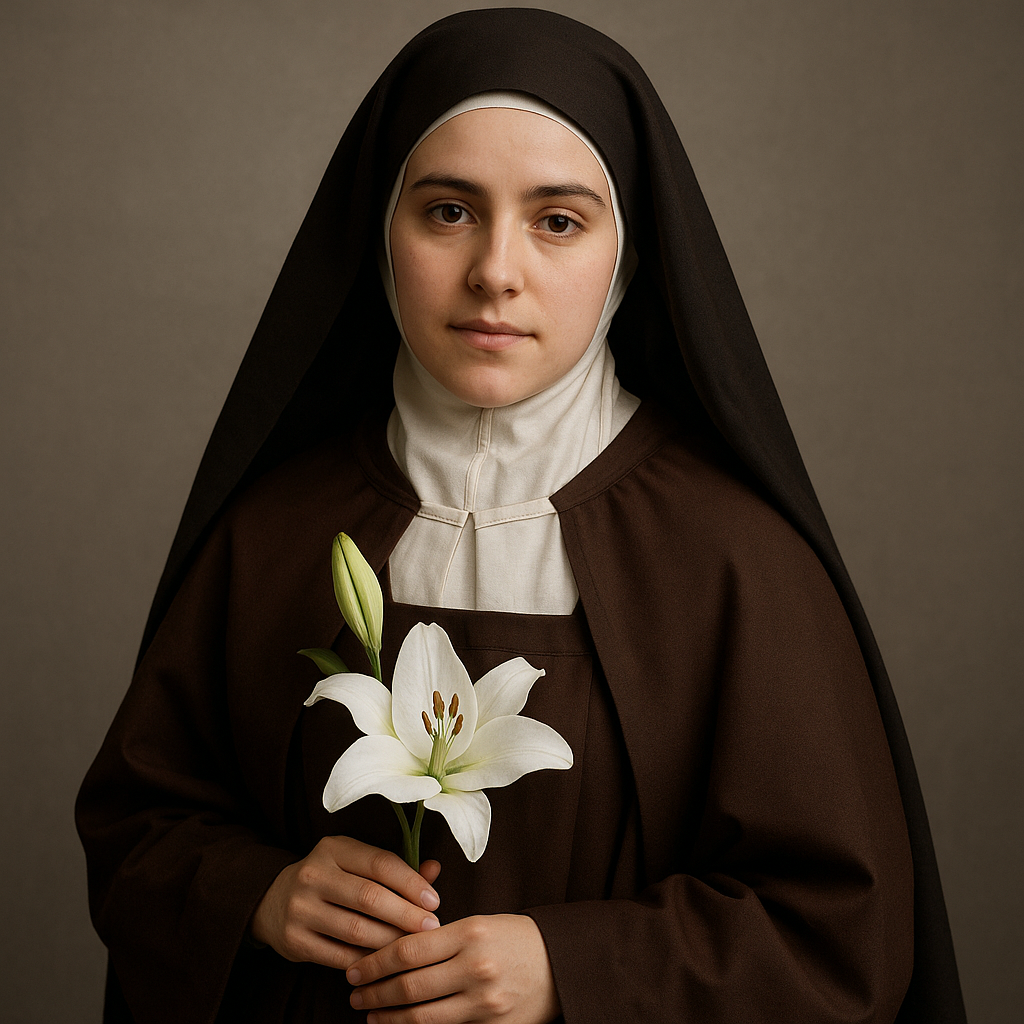
In a world often searching for heroes, especially among its youth, the story of St. Teresa of the Andes shines as a beacon of hope and devotion. Born Juanita Fernández Solar in early 20th-century Chile, she lived a brief but profoundly impactful life that left an indelible mark on the Catholic Church. From her privileged upbringing to her fervent call to the Carmelite cloister and her eventual canonization as the first Chilean saint, Teresa’s journey offers a compelling narrative of faith, sacrifice, and an unwavering love for God. This article will explore her early life, the historical backdrop that shaped her, the milestones of her spiritual calling, her enduring legacy, and how her simple yet profound spirituality continues to inspire modern readers around the globe.
Quick Facts
| Fact | Detail |
|---|---|
| Birth | July 13, 1900, in Santiago, Chile |
| Death | April 12, 1920, in Los Andes, Chile |
| Feast Day | April 12 (Universal Church), July 13 (Chile) |
| Patronage | Young people, sick people, Chile |
| Canonized | March 21, 1993, by Pope John Paul II |
Historical Context & Early Life
St. Teresa of the Andes, born Juana Enriqueta Josefina de los Sagrados Corazones Fernández Solar, emerged into a world undergoing significant change, both globally and within her native Chile. The early 20th century was a period marked by the rumblings of global conflict, nascent social movements, and technological advancements that were beginning to reshape daily life. In Chile specifically, the turn of the century saw a period of economic expansion, but also growing social inequality and political tensions. However, amidst these societal shifts, a deep and vibrant Catholic culture remained prevalent, especially within many families. Chilean society, particularly among the upper and middle classes, was characterized by strong familial bonds, traditional values, and a profound respect for religious practice.
Juanita was born into a prominent and devout Catholic family in Santiago, Chile, on July 13, 1900. Her parents, Miguel Fernández Jara and Lucía Solar de Fernández, provided a comfortable and loving home for their seven children. The Fernández Solar family was well-to-do, allowing Juanita access to a good education and a relatively privileged upbringing. Despite her family’s social standing, which included a country estate where they spent summers, Juanita was taught the importance of charity and compassion from a young age. Her mother, in particular, instilled in her children a strong sense of faith and moral rectitude.
From her earliest years, Juanita exhibited an unusual seriousness and piety. She was known to be a bright and intelligent child, though also sensitive and prone to occasional strong-willed outbursts, which she later worked to overcome through spiritual discipline. She attended the prestigious Colegio del Sagrado Corazón de Santiago, run by the Sisters of the Sacred Heart, where her spiritual life began to flourish in earnest. The sisters recognized her deep interior life and her profound devotion to prayer. It was during her school years that Juanita began keeping a spiritual diary, a practice that would later provide invaluable insight into her interior journey and form the core of her spiritual legacy.
Even as a young girl, Juanita felt a powerful attraction to God. She cultivated a deep love for Jesus in the Eucharist and for the Blessed Mother, whom she affectionately called “Mamá Mía.” Her early life was characterized by a seemingly ordinary existence – playing with siblings, attending school, enjoying family holidays – yet beneath the surface, a profound spiritual transformation was taking place. She was not a gloomy or overly austere child; rather, she was joyful, charismatic, and enjoyed sports like swimming and horseback riding. However, her inner world was consistently drawn towards God, experiencing profound spiritual insights and a growing desire for complete surrender to Christ.
Calling & Key Milestones
Juanita’s call to religious life was not a sudden revelation but a gradual unfolding, a persistent whispering of God’s voice in her heart that grew louder and clearer over time. Her deep personal relationship with Jesus, nurtured through prayer and the sacraments, formed the bedrock of her vocation.
First Communion and Deepening Faith
A pivotal moment in Juanita’s spiritual development occurred on September 11, 1910, when she received her First Holy Communion at the age of ten. This encounter with the Eucharist profoundly impacted her, awakening an even more intense desire for intimacy with Christ. She described this experience as a moment when Jesus took complete possession of her heart, solidifying her commitment to live solely for Him. From this point forward, her spiritual journey accelerated. She began to practice various small acts of self-denial and charity, consciously striving for holiness in her daily life. She also developed a strong devotion to the Sacred Heart of Jesus, which became a central theme in her spirituality.
The Call to Carmel
The contemplative life had always held a certain allure for Juanita, but it was through reading the autobiography of St. Thérèse of Lisieux that her call to the Carmelite Order became undeniable. The “Little Way” of Thérèse, emphasizing holiness through ordinary acts done with extraordinary love, resonated deeply with Juanita. She saw in Carmel a path to complete self-giving and union with God. This realization sparked a period of internal discernment and external challenges. Her family, particularly her father, initially resisted her decision, hoping she would choose marriage or a more active religious order. Juanita, however, remained steadfast, demonstrating remarkable maturity and determination. Through persistent prayer and gentle persuasion, she eventually gained their blessing.
Her resolve was not born of youthful idealism alone; it was rooted in an unshakeable conviction that this was God’s will for her. Her letters and diary entries from this period reveal a soul yearning for cloistered life, a place where she felt she could best serve God and humanity through prayer and sacrifice. She understood that her mission was not to be a missionary in distant lands, but to be a missionary of prayer within the walls of a monastery, supporting the Church’s work through her hidden life.
Entry into the Monastery
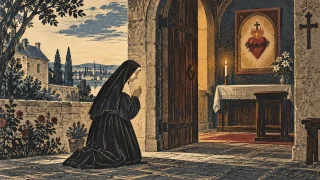
On May 7, 1919, at the age of 18, Juanita made the profound step of entering the Discalced Carmelite Monastery of San Rafael in Los Andes, Chile. It was a momentous day, filled with both joy and the natural pain of separation from her beloved family. Upon entering, she received the religious habit and the new name, Teresa de Jesús, in honor of St. Teresa of Avila, the founder of the Discalced Carmelites, and in homage to St. Thérèse of Lisieux. The name change symbolized her new identity, her complete surrender to God, and her embrace of the Carmelite charism.
Life in Carmel was demanding, characterized by strict enclosure, silence, communal prayer, manual labor, and austerity. Despite her privileged upbringing, Sister Teresa embraced these challenges with profound joy and humility. Her fellow sisters were struck by her rapid spiritual growth, her radiant joy, and her intense spirit of prayer. She quickly adapted to the rhythm of monastic life, finding profound peace and union with God in the daily routines and sacrifices. Her letters from the monastery speak of her immense happiness and her deep conviction that she had found her true home. She was a model novice, diligent in her duties and fervent in her devotions, continuously striving for greater perfection in love.
Illness and Holy Death
Tragically, Sister Teresa’s time in the monastery was destined to be short. Just shy of eleven months after entering Carmel, she contracted typhus in March 1920. Her health rapidly deteriorated. Despite her youth and vitality, the illness took a severe toll. Throughout her suffering, she maintained her characteristic serenity and joyful acceptance of God’s will. She saw her illness not as a trial, but as a final opportunity to unite herself completely with Christ’s suffering, a last act of love and self-gift.
Recognizing the gravity of her condition, and with special permission, she was allowed to make her religious profession “in danger of death” on April 7, 1920, binding herself irrevocably to Christ just days before her passing. This was an extraordinary grace, fulfilling her deepest desire to be eternally united with God as a Carmelite nun. Five days later, on April 12, 1920, at the tender age of 19, Sister Teresa of Jesus of the Andes peacefully passed away, returning her soul to God. Her death, though premature by worldly standards, was seen by her community as a holy death, the culmination of a life lived entirely for Christ.
Spiritual Legacy & Theological Themes
Despite her brief life, St. Teresa of the Andes left behind a profound spiritual legacy, primarily through her “Diario” (Diary) and letters. These writings reveal a soul deeply in love with God, offering timeless insights into the pursuit of holiness and an intimate relationship with Christ. Her spirituality is marked by several core virtues and theological themes that align beautifully with Scripture and perennial Catholic teaching.
One of the most striking virtues Teresa exemplified was an profound love for God and neighbor. This was not a sentimental affection but a dynamic, self-emptying love that sought only God’s will. Her diary is replete with expressions of her desire to love God “with an infinite love” and to be “a victim of love.” This echoes Jesus’ command in John 15:12, “This is my commandment, that you love one another as I have loved you.” Teresa understood that true love for God naturally overflowed into charity for others, manifested in her kindness, patience, and prayer for the world.
Closely linked to love was her spirit of sacrifice and abandonment to Divine Providence. Teresa embraced suffering, both physical and spiritual, as a means of purifying her soul and uniting herself more closely to Christ’s Passion. She joyfully accepted whatever God sent her way, believing it was all part of His perfect plan for her sanctification. This resonates with Romans 8:28, “And we know that in all things God works for the good of those who love him, who have been called according to his purpose.” For Teresa, every challenge became an opportunity to say “yes” to God, demonstrating a profound trust in His goodness and wisdom.
Humility was another cornerstone of her spiritual life. Despite her many gifts and graces, Teresa constantly strove to abase herself, recognizing her own nothingness before God and attributing all good to Him. She desired to be hidden, unknown, and forgotten, just as St. Thérèse of Lisieux did. Her humility made her receptive to grace and allowed God to work powerfully through her. This virtue is celebrated in Matthew 23:12, “Whoever exalts himself will be humbled, and whoever humbles himself will be exalted.” Teresa’s life is a testament to the liberating power of humility.
Finally, her spirituality was characterized by an infectious joy, even amidst austerity and suffering. This was not superficial happiness but a deep-seated joy rooted in her union with Christ. She frequently spoke of the “heaven on earth” she experienced in Carmel, a joy that transcended external circumstances. This mirrors Philippians 4:4, “Rejoice in the Lord always; again I will say, rejoice.” Her joyful disposition made her a radiant witness to the transformative power of divine love.
Her lasting influence extends beyond her written works. As the first Chilean saint, St. Teresa of the Andes serves as a powerful symbol of holiness attainable by anyone, regardless of age or circumstance. Her example has particularly resonated with young people, demonstrating that a life wholly dedicated to Christ is not only possible but also deeply fulfilling. She embodied the Carmelite ideal of a contemplative life that is paradoxically apostolic, bringing graces to the world through prayer and sacrifice. Her life affirms the Catholic teaching that sanctity is not reserved for a select few, but is a universal call for all the baptized.
Devotion Today
Devotion to St. Teresa of the Andes has flourished since her beatification in 1987 and her canonization in 1993, particularly in her native Chile and among young Catholics worldwide. Her story resonates deeply with those seeking an authentic and joyful path to God in contemporary society.
The primary center of devotion to St. Teresa is the Carmelite Monastery of San Rafael in Los Andes, Chile, where she lived and died. Her tomb, located within the monastery chapel, has become a significant pilgrimage site. Thousands of pilgrims, especially young people, visit annually to pray at her tomb, seek her intercession, and draw inspiration from her short but intense life of faith. The monastery itself serves as a living testament to her charism, with the Carmelite sisters continuing their contemplative life of prayer and sacrifice in the spirit of their beloved sister.
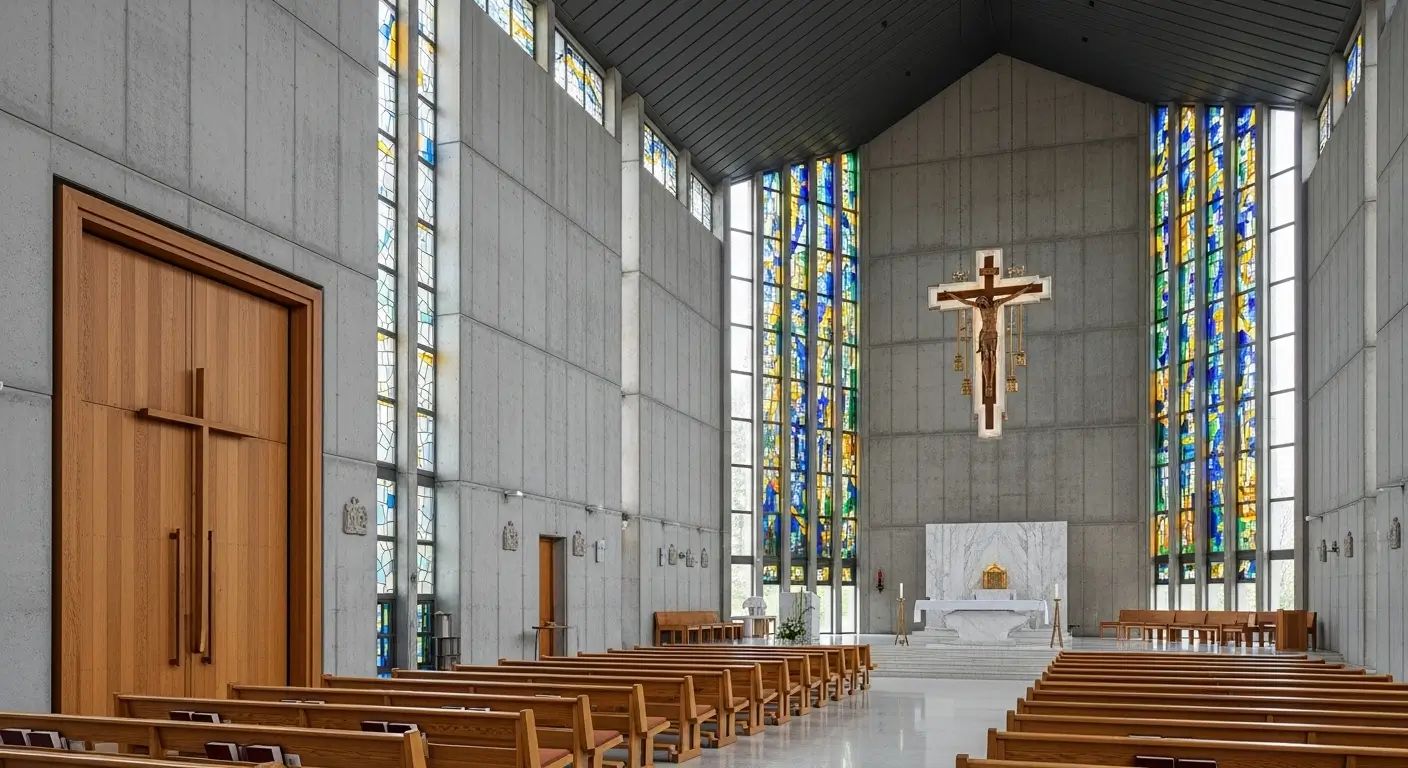
Beyond the monastery, a new, much larger shrine has been built near the monastery, specifically designed to accommodate the growing number of pilgrims. This modern sanctuary, officially known as the Santuario de Santa Teresa de Los Andes, provides ample space for Masses, confessions, and spiritual retreats, making it a vibrant spiritual hub for Chile and beyond. On her feast day, April 12 (or July 13 in Chile), thousands converge upon the shrine for special Masses and celebrations, transforming the area into a focal point of national Catholic devotion.
St. Teresa’s patronage of young people has led to her widespread veneration in schools, youth groups, and university campuses. She is seen as a relatable figure, a teenager who grappled with everyday struggles and temptations but chose to surrender completely to God. Her story encourages young people to pursue holiness with zeal and to find joy in their faith. She is also invoked by the sick, given her own experience of suffering and peaceful death, and naturally, she is a beloved patroness of Chile, a source of national pride and spiritual identity.
In various parts of the world, parishes, chapels, and educational institutions have been dedicated in her honor. Her spiritual diary, translated into multiple languages, continues to be a popular spiritual reading, offering guidance and encouragement to those seeking a deeper relationship with Christ. Her impact extends far beyond Chile, making her a truly universal saint for our times.
Reflections for Modern Readers
St. Teresa of the Andes, though she lived a century ago in a cloistered monastery, offers surprisingly relevant and actionable takeaways for modern readers navigating the complexities of the 21st century. Her short life reminds us that holiness is not reserved for distant historical figures or those in extraordinary circumstances; it is attainable through ordinary means, embraced with extraordinary love.
- Finding God in the Ordinary: Teresa’s “Little Way,” much like St. Thérèse of Lisieux, teaches us that sanctity is found not in grand heroic gestures but in faithfully performing our daily duties with love and for God. For a student, this might mean offering up their studies with diligence and a good attitude. For a busy parent, it’s in patiently caring for their children and managing household tasks as acts of love. Even mundane chores or work tasks can be transformed into prayers when offered with intentionality and a heart directed toward God.
- The Power of Prayer and Intimate Relationship with Christ: Despite her brief life, Teresa cultivated an incredibly deep and personal relationship with Jesus, primarily through prayer and the Eucharist. In a world full of distractions, her life calls us to prioritize quiet time with God. This doesn’t necessarily mean hours of contemplative prayer for everyone, but consistently carving out moments for prayer—whether a few minutes in the morning, a rosary during a commute, or a heartfelt conversation with God throughout the day—can transform our lives and help us navigate challenges with grace.
- Embracing Suffering with Joy and Trust: Teresa’s joyful acceptance of her final illness, seeing it as a gift and an opportunity for union with Christ, is a powerful lesson. We all face difficulties, setbacks, and pain in life. Instead of succumbing to despair, Teresa teaches us to trust in God’s plan, believing that even in suffering, He is working for our good. This doesn’t mean pretending pain isn’t real, but rather offering it up to God, knowing that it can become a source of grace and growth.
- Youthful Holiness: A Model for Today’s Youth: Teresa was a modern teenager who loved sports, her friends, and her family, yet she chose radical commitment to Christ. Her life shows young people today that being devout doesn’t mean being out of touch or sacrificing joy. Instead, it means finding the deepest and most lasting joy in God. She encourages young people to boldly live their faith, pursue purity, and discern God’s unique call for their lives, whether in marriage, religious life, or consecrated single life.
- The Importance of Self-Gift and Selfless Love: Teresa’s entire life was an act of self-gift to God and neighbor. She consistently sought to empty herself to be filled with God’s love, and then pour that love out onto others. This challenges us to look beyond our own desires and needs and actively seek ways to serve others, whether through volunteering, performing acts of kindness, or simply being present and attentive to those around us. This selflessness, she shows us, is the path to true fulfillment.
In art and jewelry, St. Teresa of the Andes is often depicted in the brown Carmelite habit, sometimes with a white veil (as a novice) or a black veil (after her profession). She is frequently shown holding a crucifix, symbolizing her profound love for the crucified Christ and her willingness to share in His suffering. A lily is another common symbol, representing her purity and innocence. Occasionally, she might be seen with a book or diary, referencing her spiritual writings which form the cornerstone of her legacy. These symbols all point to her core virtues: her Carmelite vocation, her intimate relationship with Christ, her purity of heart, and her enduring spiritual wisdom.
Timeline Summary
- July 13, 1900: Born Juanita Fernández Solar in Santiago, Chile.
- September 11, 1910: Receives her First Holy Communion, a pivotal spiritual experience.
- 1914: Begins keeping her spiritual diary, detailing her interior life.
- 1915-1917: Reads St. Thérèse of Lisieux’s autobiography and discerns her call to the Carmelite Order.
- May 7, 1919: Enters the Discalced Carmelite Monastery of San Rafael in Los Andes, receiving the name Teresa de Jesús.
- March 1920: Contracts typhus.
- April 7, 1920: Makes her religious profession “in danger of death.”
- April 12, 1920: Dies in the monastery at the age of 19.
- April 3, 1987: Beatified by Pope John Paul II in Santiago, Chile.
- March 21, 1993: Canonized by Pope John Paul II in Rome, becoming the first Chilean saint.
Scripture for Reflection
St. Teresa of the Andes’ life beautifully illustrates several scriptural truths, offering profound connections between her virtues and the Word of God.
John 15:9-10 (Abiding in Love): “As the Father has loved me, so have I loved you. Abide in my love. If you keep my commandments, you will abide in my love, just as I have kept my Father’s commandments and abide in his love.” Teresa’s entire existence was a profound act of abiding in Christ’s love. Her decision to enter Carmel, her joyful acceptance of suffering, and her unwavering devotion were all expressions of her desire to remain rooted in God’s love and to obey His will, making her life a living testament to this passage.
Matthew 11:28-30 (Taking His Yoke): “Come to me, all you who labor and are burdened, and I will give you rest. Take my yoke upon you and learn from me, for I am meek and humble of heart; and you will find rest for yourselves. For my yoke is easy, and my burden light.” Teresa embraced the “yoke” of Christ with absolute trust and joy. Her voluntary embrace of Carmelite austerity and self-denial was not a burden but a path to profound interior rest and union with the gentle and humble heart of Jesus. She found true freedom and lightness in surrendering her will to His.
Philippians 4:4-7 (Rejoice in the Lord): “Rejoice in the Lord always. I will say it again: Rejoice! Let your graciousness be known to everyone. The Lord is near. Have no anxiety at all, but in everything, by prayer and petition, with thanksgiving, make your requests known to God. Then the peace of God that surpasses all understanding will guard your hearts and minds in Christ Jesus.” Teresa’s radiant joy, even in illness and separation from her family, speaks volumes about the peace that comes from a life surrendered to God. She lived out St. Paul’s exhortation to rejoice always and to cast all anxieties upon the Lord, experiencing a profound peace that truly surpassed all worldly understanding.
Prayers to St. Teresa of the Andes
Prayer to Saint Teresa of the Andes
O Saint Teresa of the Andes, we marvel at the simplicity and profound depth of your short life. You who responded with such generosity to the call of Christ, embracing the contemplative life of Carmel at a tender age, intercede for us. Help us to find God in the ordinary moments of our daily lives, to grow in humility and self-giving love, and to accept suffering with joy and trust in divine providence.
Young woman of fire, model for youth, guide us in pursuing purity of heart and a deeper intimacy with Jesus, especially in the Eucharist. Inspire us to be courageous in our faith, joyful in our struggles, and selfless in our service to others. May your radiant example lead many souls, particularly the young and the sick, to discover the profound peace and eternal happiness found in loving God above all things.
Through your intercession, we humbly ask for (mention your specific intention here). Amen.