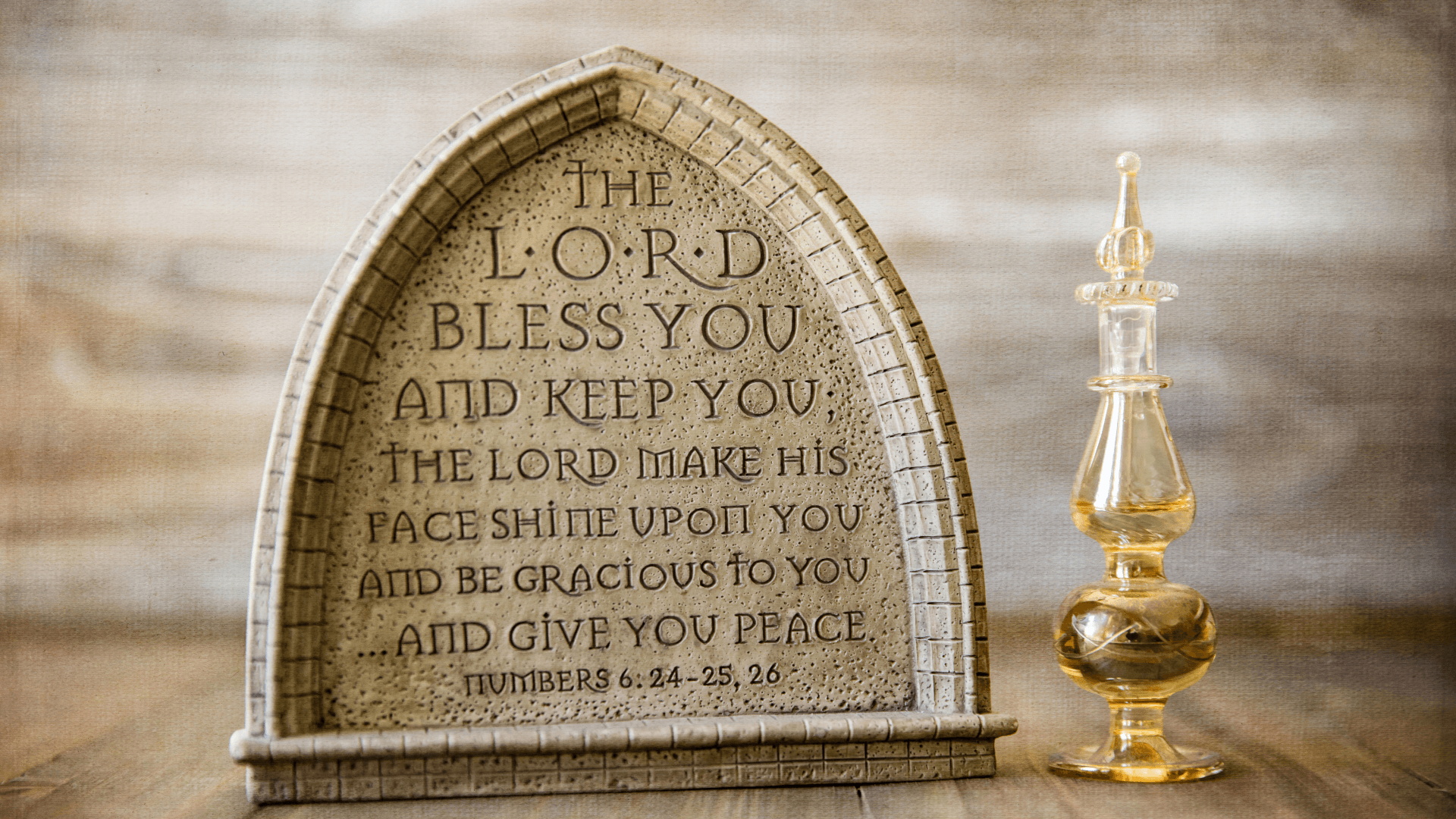
In times of illness and vulnerability, the human spirit often seeks solace beyond physical remedies. The Catholic Church offers the Sacrament of Anointing of the Sick as a profound source of spiritual comfort and healing. This sacrament, rich in tradition and significance, is sometimes misunderstood or shrouded in questions. By exploring its purpose, administration, and the common inquiries surrounding it, we can appreciate its role as a beacon of hope and faith in challenging times.
What Is the Sacrament of Anointing of the Sick?
The Sacrament of Anointing of the Sick is one of the seven sacraments recognized by the Catholic Church. It is a sacred rite that imparts God’s grace to those who are seriously ill, facing major surgery, or experiencing the frailties of old age. Through prayers and anointing with blessed oil, the sacrament provides spiritual healing, comfort, and strength to endure suffering with courage and trust in God.
Rooted in the ministry of Jesus and the early Church, the sacrament emphasizes God’s compassionate presence in times of distress. It is not merely a ritual for physical healing but a holistic approach that addresses the spiritual and emotional needs of the faithful.
Who Can Receive the Sacrament?
The sacrament is available to any baptized Catholic who is gravely ill or facing significant health challenges. This includes:
- Individuals with serious illnesses: Whether physical or mental, any severe health condition qualifies.
- Those preparing for major surgery: Recognizing the risks associated with significant medical procedures.
- Elderly individuals: Those experiencing the weakening effects of aging.
- Children who have reached the age of reason: Typically around seven years old, if they are seriously ill.
The Church acknowledges that suffering can take many forms and extends this sacrament to all in need of God’s healing grace.
Is It Only for the Dying?
A common misconception is that the Anointing of the Sick is reserved exclusively for those on their deathbeds. While it is indeed a crucial sacrament for those nearing the end of life, it is not limited to such situations. The sacrament is intended for anyone facing serious health issues, not just imminent death.
By receiving the sacrament earlier in the course of an illness, individuals can benefit from its graces throughout their journey, finding spiritual strength and peace. The Church encourages the faithful not to wait until the last moments but to seek the sacrament whenever they are seriously ill.
Is It the Same as Last Rites?
The terms “Anointing of the Sick” and “Last Rites” are often used interchangeably, but they are not synonymous. The Last Rites is a series of sacraments administered to a person who is nearing death, which typically includes:
- The Sacrament of Penance (Confession): For the forgiveness of sins.
- The Anointing of the Sick: Providing spiritual healing and strength.
- Viaticum: The final reception of the Eucharist as “food for the journey” to eternal life.
While the Anointing of the Sick is a part of the Last Rites, it stands on its own as a sacrament intended for healing and can be received independently of the other sacraments. Understanding this distinction helps alleviate fears and encourages individuals to seek the sacrament without associating it solely with death.
Is It a Sacrament?
Indeed, the Anointing of the Sick is one of the seven sacraments of the Catholic Church. Sacraments are outward signs instituted by Christ to give grace. This particular sacrament is rooted in Scripture, notably in the Epistle of James:
“Is anyone among you sick? Let them call the elders of the church to pray over them and anoint them with oil in the name of the Lord.”
—James 5:14
As a sacrament, it is a means through which God imparts spiritual strength and healing to the faithful.
Can Non-Catholics Receive It?
The sacrament is primarily intended for baptized Catholics. However, in certain circumstances, non-Catholic Christians who share the Church’s belief in the sacraments may receive the Anointing of the Sick. This is generally allowed when:
- The person is in danger of death.
- They cannot approach a minister of their own community.
- They manifest Catholic faith in the sacrament.
- They are properly disposed to receive it.
Non-Christians and those who do not share the Catholic faith in the sacraments are not ordinarily eligible to receive the Anointing of the Sick. The Church’s regulations aim to respect the beliefs and practices of other faith traditions while upholding the sanctity of its own sacraments.
Can People Receive It More Than Once?
Yes, individuals can receive the Anointing of the Sick multiple times throughout their lives. The sacrament may be repeated if:
- The person’s condition worsens after receiving it.
- They recover and then face another serious illness.
- They are about to undergo additional major surgery.
This provision acknowledges the ongoing nature of illness and the continuous need for God’s grace and comfort. It emphasizes that the sacrament is not a one-time event but a source of enduring spiritual support.
Can Deacons Administer the Anointing of the Sick?
In the Catholic Church, only bishops and priests have the authority to administer the Anointing of the Sick. Deacons, while ordained ministers, do not possess the sacramental authority to perform this particular rite.
This limitation is rooted in the Church’s understanding of the priest’s unique role in representing Christ, especially in the sacraments of healing and reconciliation. If a priest is unavailable, the faithful are encouraged to contact their parish or diocese to make arrangements, ensuring that those in need receive the sacrament promptly.
Does It Forgive Sins?
The Anointing of the Sick provides spiritual healing, which includes the forgiveness of sins if the recipient is unable to participate in the Sacrament of Penance (Confession). The Catechism of the Catholic Church states that the sacrament:
“Provides the sick person with the forgiveness of sins if he was not able to obtain it through the sacrament of Penance.”
—Catechism of the Catholic Church, 1532
This aspect of the sacrament offers immense comfort to those who are incapacitated, assuring them of God’s mercy and the restoration of their relationship with Him and the Church.
How Is the Sacrament Celebrated?
The celebration of the Anointing of the Sick involves several meaningful rituals:
- Introductory Rites: The priest greets the sick person and those present, offering words of comfort and encouragement.
- Penitential Act: The priest may lead a prayer of repentance, acknowledging the need for God’s mercy.
- Scripture Reading: Passages from the Bible are read to provide hope and reflection on God’s healing promises.
- Laying on of Hands: The priest places his hands on the sick person’s head, invoking the Holy Spirit’s presence.
- Anointing with Oil: Using the Oil of the Sick, blessed by the bishop during the Chrism Mass, the priest anoints the person’s forehead and hands, saying specific prayers that call upon God’s healing grace.
- Prayer After Anointing: The priest concludes with prayers for the sick person’s recovery and spiritual well-being.
The sacrament can be celebrated in various settings, such as hospitals, homes, or churches. It may be administered privately or as part of a communal service, depending on circumstances and preferences.
The Spiritual Benefits and Community Aspect
Receiving the Anointing of the Sick offers numerous spiritual benefits:
- Strength and Peace: It imparts the grace to face illness with courage and serenity.
- Union with Christ’s Suffering: It connects the individual’s suffering with that of Jesus, offering a profound sense of purpose.
- Hope of Recovery: While not guaranteeing physical healing, it opens the heart to God’s will, which may include restoration of health.
- Preparation for Passing Over: For those nearing death, it prepares the soul for eternal life.
The sacrament also fosters a sense of community. Family members and loved ones often participate, finding solace in shared faith and mutual support. The Church community is called to pray for the sick, reinforcing bonds of compassion and solidarity.
Integration with Medical Care
The Church advocates for an integrated approach to healing, where spiritual care complements medical treatment. The Anointing of the Sick recognizes that illness affects the whole person—body, mind, and spirit. By addressing spiritual needs, the sacrament contributes to holistic well-being.
Healthcare professionals are increasingly acknowledging the role of spirituality in patient care. Collaborations between clergy and medical staff can enhance the support provided to those who are ill.
Approaching the Sacrament Without Fear
Fear or misunderstanding may prevent some from seeking the Anointing of the Sick. Open communication with priests and pastoral caregivers can alleviate concerns. The Church encourages the faithful to approach the sacrament with openness, viewing it as a source of grace rather than a sign of impending death.
By dispelling myths and emphasizing the sacrament’s true purpose, individuals can embrace it as a vital part of their spiritual journey during illness.
Conclusion
The Sacrament of Anointing of the Sick stands as a testament to God’s enduring compassion and the Church’s commitment to caring for the whole person. It offers a profound encounter with divine grace, tailored to the unique challenges of illness and aging.
Understanding who can receive the sacrament, its distinction from the Last Rites, and its role in forgiving sins enriches our appreciation of its significance. Recognizing that it can be received multiple times and that priests, not deacons, administer it ensures that the faithful can access its graces appropriately.
In times of vulnerability, the Anointing of the Sick provides comfort, strength, and a deepened connection to faith. It reminds us that we are not alone in our suffering and that God’s healing presence accompanies us through every trial. Embracing this sacrament allows us to experience the fullness of God’s mercy and the supportive embrace of the Church community.
By understanding and demystifying the Sacrament of Anointing of the Sick, we open ourselves to its profound graces. It serves not only as a means of personal spiritual healing but also strengthens the bonds within the faith community, reflecting the compassion and love at the heart of the Catholic tradition.