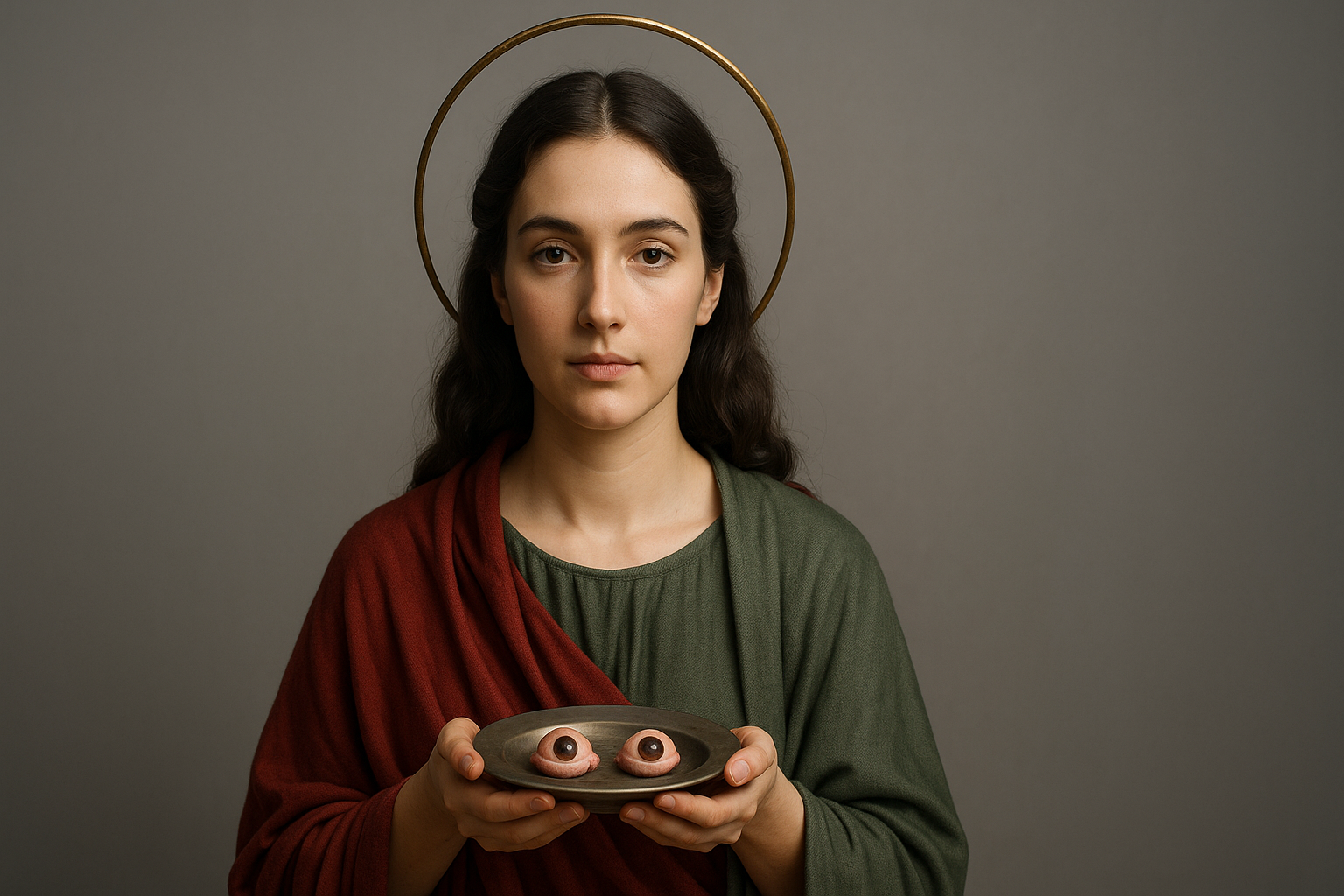
In the vibrant tapestry of Catholic saints, there are figures whose lives shine with an extraordinary intensity, inviting us to contemplate the depths of spiritual devotion. One such soul is Saint Rose of Lima, the first saint canonized from the Americas. Her life, though remarkably short, was a powerful testament to radical faith, profound penance, and an unwavering love for God and neighbor. This article will explore her historical origins, her challenging spiritual journey, the lasting impact of her devotion, and the timeless lessons her life offers to believers today.
Quick Facts
| Attribute | Detail |
|---|---|
| Birth | April 20, 1586, in Lima, Viceroyalty of Peru (modern-day Peru) |
| Death | August 24, 1617, in Lima, Peru |
| Feast Day | August 23 (formerly August 30 in some calendars) |
| Patronage | The Americas, Peru, Philippines, indigenous people, gardeners, florists, embroiderers, those suffering from family difficulties, resolution of quarrels |
| Canonized | April 12, 1671, by Pope Clement X |
Historical Context & Early Life
Saint Rose of Lima was born Isabel Flores de Oliva in Lima, Peru, on April 20, 1586. Her birth took place in the heart of the Viceroyalty of Peru, a vast and strategically important part of the Spanish Empire in the New World. This was a time of immense change and cultural blending. The Catholic Church was firmly established, but its mission was still actively expanding, seeking to integrate indigenous populations and solidify its presence across the continent. Lima itself was a bustling hub, a city of considerable wealth and influence, serving as the seat of the viceroy and a major center for commerce and evangelization.
Isabel’s family was of Spanish descent, but they were not wealthy. Her father, Gaspar Flores, was an arquebusier (a soldier armed with a type of rifle) in the imperial guard, and her mother, María de Oliva, was a homemaker. From her earliest years, Isabel showed an unusual piety and a profound spiritual inclination. She was known for her striking beauty, so much so that her family and others often praised it. However, Isabel felt this beauty to be a distraction from her spiritual pursuits. Legend has it that as an infant, her face transformed into a rose in a miraculous vision seen by her mother, leading to her nickname “Rose,” which was later confirmed at her Confirmation by the Archbishop of Lima.
Even as a small child, Rose began practicing forms of personal sacrifice and penance, inspired by stories of the saints, particularly Saint Catherine of Siena, who would become a profound influence on her later life. She would fast, pray for long hours, and seek solitude, often to the bewilderment of her family. Her early life was marked by this inward focus and a growing desire for a deeper union with God, setting the stage for the extraordinary path she would later follow.
Calling & Key Milestones
Early Vocation and Radical Penance
From a very young age, Rose felt a powerful calling to religious life, specifically to become a nun. However, her parents, despite their Catholic faith, had other plans. They hoped her renowned beauty would attract a wealthy suitor and improve the family’s financial standing. Faced with this opposition, Rose privately made a vow of virginity, committing herself entirely to Christ. To deter suitors and express her dedication, she began to deliberately disfigure her hands and face with lye and pepper, and even cut off her hair.
Unable to enter a convent due to family resistance, Rose chose to live as a Third Order Dominican, essentially a lay person who follows the rules and spirit of the Dominican order while living in the world. She lived an increasingly austere life in a small hut or infirmary built in her parents’ garden. Here, she dedicated herself to intense prayer and self-denial, or **asceticism**, which refers to a disciplined life of spiritual practices, often involving self-denial and abstinence from worldly pleasures, aimed at achieving a deeper spiritual connection. She practiced extreme penances, often beyond what was considered normal even for mystics of her era. These included wearing a crown of hidden thorns or a heavy silver band embedded with spikes, fasting continuously, sleeping only a few hours on a bed of broken glass, stones, or thorns, and self-flagellation. These acts were not for show but were her way of sharing in Christ’s suffering and detaching herself from worldly attachments, driven by a profound love for God.
Mystical Experiences and Spiritual Espousal
As Rose delved deeper into her spiritual life, she began to experience extraordinary mystical phenomena. She had frequent visions of Jesus and Mary, receiving heavenly inspirations and graces. One of the most significant of these was her spiritual espousal to Christ. During one Lent, while praying, she had a vision of Jesus, who invited her to be His bride. She accepted wholeheartedly, symbolically placing a ring on her finger. This mystical marriage was a profound expression of her intimate union with God and a source of immense spiritual joy, yet it also intensified her desire for further suffering in imitation of Christ.
Ministry and Compassionate Service
Despite her reclusive and ascetic life, Saint Rose of Lima was far from isolated from the suffering of the world. She transformed her humble garden hut into a small infirmary, where she lovingly cared for the sick, the elderly, and the marginalized people of Lima. She had a particular compassion for the indigenous people and African slaves, tending to their physical wounds and offering spiritual comfort. She supported her family and her charitable work by cultivating flowers and vegetables in her garden, and by her exquisite needlework and lace-making. She sold these items, donating the proceeds to the poor. Her acts of charity demonstrated that her intense interior life was not an escape from the world, but a foundation for profound love and service to her neighbor.
Trials, Scrutiny, and Death
Rose’s extreme spiritual practices and reported mystical experiences naturally drew attention, and not always positive. She faced skepticism and suspicion, even from some Church authorities and members of her own family. Her confessors and superiors, uncertain of the origin of her unusual mortifications, subjected her to rigorous examinations, questioning whether her experiences were genuine spiritual phenomena or merely delusions, or even demonic influence. Throughout these challenging interrogations, Rose displayed remarkable humility, patience, and obedience, always submitting to the judgment of her spiritual directors. Her unwavering faith and simple honesty under scrutiny ultimately convinced them of the divine origin of her experiences and virtues.
Rose’s intense life of penance took a toll on her physical health. She suffered from various illnesses, including a painful paralysis that afflicted her in her final years. On August 24, 1617, at the age of 31, Saint Rose of Lima died. Her death, like her life, was marked by spiritual signs; many reported a sweet, rose-like fragrance emanating from her body. News of her passing spread quickly through Lima, and immense crowds gathered, clamoring to touch her body and obtain relics, a clear sign of the popular veneration and belief in her sanctity that had already begun to flourish.
Spiritual Legacy & Theological Themes
Saint Rose of Lima’s legacy is multifaceted and continues to inspire Catholics worldwide. Her life exemplifies several profound theological themes and virtues:
-
Heroic Penance and Identification with Christ’s Suffering: At the heart of Rose’s spirituality was a radical imitation of Christ’s suffering. Her severe penances were not acts of self-hatred, but rather acts of profound love, a desire to unite herself more intimately with Jesus, especially in His Passion. She believed that through voluntary suffering, she could offer reparation for sins and grow closer to her Divine Bridegroom. This theme reminds us of the Christian call to “take up one’s cross daily” (Luke 9:23), albeit interpreted uniquely by each individual.
-
Mystical Union with God: Rose’s spiritual espousal and frequent visions highlight the Catholic understanding of the possibility of a deep, personal, and transformative relationship with God. Her life demonstrates that profound mystical experiences are not limited to cloistered religious, but can be granted to laypeople living in the world, fostering an intimate union with the divine.
-
Active Charity and Service: Despite her reclusive life, Rose’s spirituality was never detached from concrete acts of love for her neighbor. Her dedication to caring for the poor, the sick, and the marginalized in her garden infirmary underscores the Catholic teaching that true holiness always manifests in charity. Her service to the indigenous population and slaves also highlights an early example of outreach and compassion in the colonial context.
-
Humility and Obedience: Perhaps one of the most challenging aspects of her life was the scrutiny she faced regarding her extreme practices. Her unwavering humility in accepting investigations and her absolute obedience to her spiritual directors, even when it meant enduring pain or misunderstanding, cemented her saintliness. This teaches us the importance of discernment and submission to legitimate spiritual authority.
-
The First Saint of the Americas: Rose’s canonization in 1671 was a monumental event for the Church in the New World. It signified that true holiness could flourish on American soil, inspiring countless others in the burgeoning Catholic communities of North and South America to pursue lives of virtue and devotion. She became a powerful symbol of faith for the continent, showing that grace knows no geographical bounds.
Devotion Today
Saint Rose of Lima remains a beloved and influential figure, particularly in Latin America, the Philippines, and among Dominican communities worldwide. Her enduring popularity is reflected in various forms of devotion:
-
Shrines and Pilgrimages: Her childhood home and the small hut in her parents’ garden in Lima have been preserved and transformed into a significant shrine and pilgrimage site. Visitors can see the famous well where she threw the key to her self-imposed chain and experience the place where she lived her extraordinary life. Churches and chapels dedicated to her can be found throughout the Americas and beyond.
-
Feast Day Celebrations: Her feast day on August 23 (or August 30 in some older calendars and regions) is celebrated with great fervor, especially in Peru, where she is the principal patron. Festivities often include special Masses, colorful processions, floral tributes, and community gatherings, reflecting the deep affection and reverence the faithful hold for her.
-
Patronage and Intercession: As the patroness of the Americas, Peru, the Philippines, indigenous people, gardeners, and florists, Saint Rose of Lima is frequently invoked for a wide array of intentions. Many turn to her for help in family difficulties, for purity of heart, and for strength in times of suffering.
-
Religious Orders and Organizations: Numerous religious congregations, schools, hospitals, and charitable organizations have been founded under her patronage, inspired by her life of prayer, penance, and service to the poor. Her example continues to motivate individuals and communities to live out the Gospel message in radical ways.
-
Art and Literature: Saint Rose of Lima has been a frequent subject in Catholic art, often depicted with roses, a crown of thorns, or the Infant Jesus. Her life story has been recounted in countless books, poems, and plays, ensuring her legacy continues to be shared across generations.
Reflections for Modern Readers
While Saint Rose of Lima’s extreme penances might seem daunting or even alien to modern sensibilities, her life offers profound and actionable lessons for every Catholic in the 21st century:
-
1. Embrace Personal Sacrifice for a Deeper Relationship with God: Saint Rose’s life teaches us that true love for God often involves sacrifice and detachment from worldly comforts. While her specific penances were unique to her vocation, we can find our own “sacrifices.” This might mean dedicating time to daily prayer instead of entertainment, choosing to fast from social media to foster real-world connections, or giving generously of our resources instead of accumulating more. These small acts of self-denial can open our hearts more fully to God’s grace, just as Rose’s radical choices did for her. For example, a high school student might sacrifice an hour of video games daily to spend time reading the Bible or helping a family member.
-
2. Holiness is Possible in Everyday Life: Rose lived her intensely spiritual life not in a grand monastery, but within the confines of her family home and garden. She performed domestic chores, cared for her parents, and engaged in manual labor. This reminds us that holiness is not reserved for those in formal religious life; it is a universal call for all baptized Christians, to be lived out in our families, workplaces, and communities. A parent raising children with patience and faith, a worker serving with integrity and honesty, or a student excelling with diligence and virtue are all pathways to sanctity, mirroring Rose’s dedication in her own context.
-
3. Love for the Poor and Suffering is Essential: Despite her reclusive nature, Rose’s dedication to the sick, the elderly, and the marginalized was unwavering. She used her skills to earn money and her space to provide care. Her example calls us to active compassion. How can we extend care to the vulnerable in our own communities, even in seemingly small ways? This could involve volunteering at a local soup kitchen, visiting the lonely, offering a kind word to someone struggling, or donating to charities that serve the needy. Rose shows that love for God always leads to love for neighbor.
-
4. Perseverance in Faith Amidst Trials: Saint Rose faced doubt and suspicion, even from those meant to guide her. Her unwavering faith, patience, and obedience during these challenging trials offer a powerful lesson. In our own lives, we may face misunderstandings, criticisms, or periods of spiritual dryness. Rose encourages us to hold firm to our convictions, trust in God’s plan, and remain humble and open to guidance, knowing that perseverance in faith ultimately strengthens our relationship with Christ.
Common Symbols and Representations:
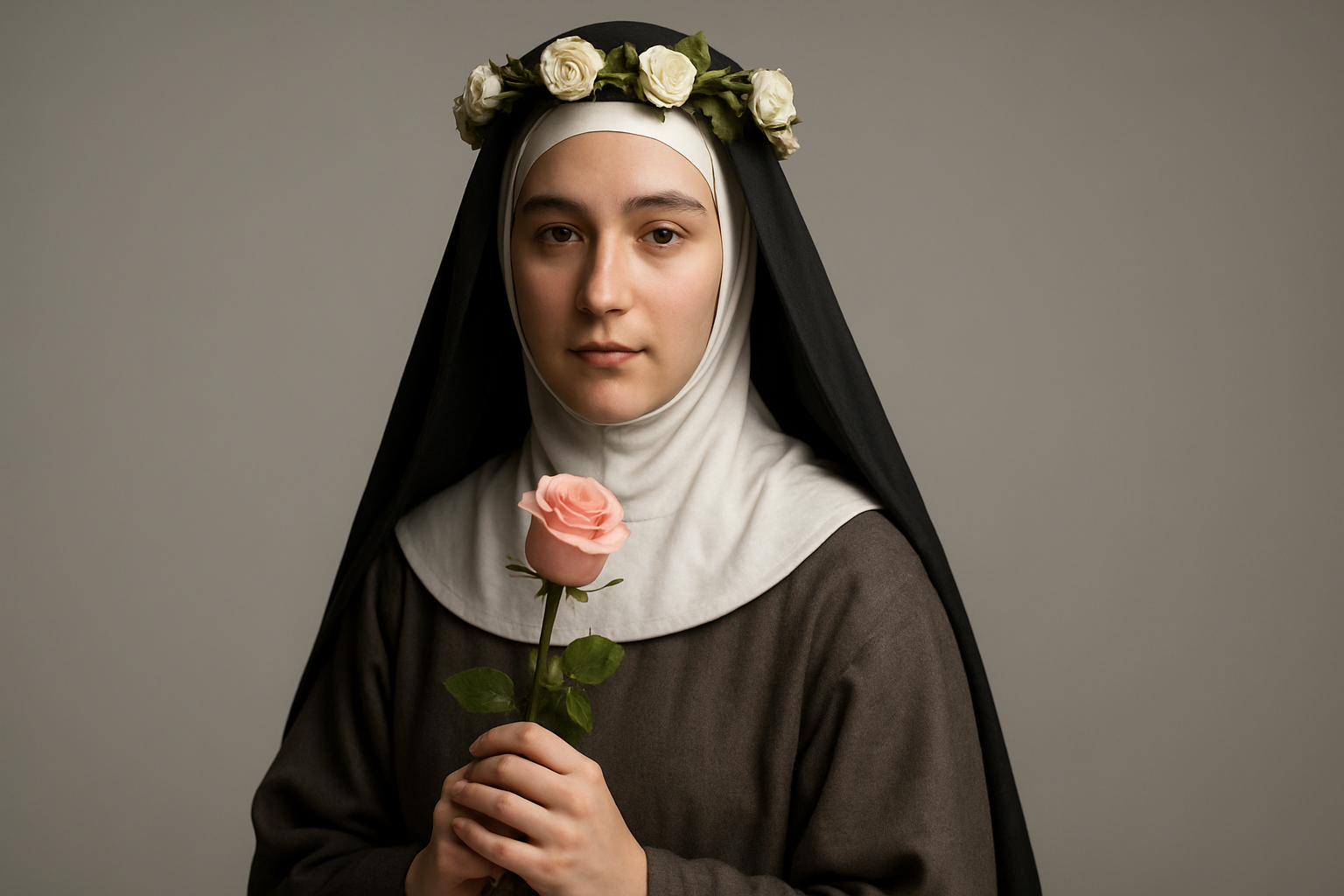
- Roses: The most common symbol, often depicted with a crown of roses or holding a rose. This symbolizes her given nickname (from the vision), her physical beauty, and her virginal purity. It also points to the spiritual fragrance associated with her death and life.
- Crown of Thorns/Silver Band: These represent her intense self-mortification and her desire to share in Christ’s suffering. They signify her radical commitment to penance.
- Anchor: Often seen in depictions of Dominican saints, the anchor is a symbol of hope and steadfastness in faith. It reflects Rose’s unwavering trust in God amidst her severe trials and spiritual struggles.
- Infant Jesus: Rose is sometimes shown with the Infant Jesus, either in her arms or nearby. This signifies her deep mystical relationship with Christ, particularly her spiritual espousal to Him, and her tender love for the Divine Child.
- Lily: A traditional symbol of purity and innocence, often associated with virgin saints, including Saint Rose.
Timeline Summary
- 1586 (April 20): Born Isabel Flores de Oliva in Lima, Viceroyalty of Peru.
- Early Childhood: Receives the nickname “Rose” after a miraculous vision; begins practicing self-denial and acts of piety.
- Adolescence: Makes a private vow of virginity, resisting family pressure to marry; intensifies her practices of penance and prayer.
- 1606: Becomes a Third Order Dominican, living a semi-reclusive life in a hut in her family’s garden.
- Throughout Adult Life: Experiences profound mystical visions and spiritual espousal to Christ; performs severe acts of asceticism; dedicates herself to caring for the poor and sick in her home infirmary.
- Early 1610s: Undergoes rigorous scrutiny and examination by Church authorities due to her unusual spiritual practices, demonstrating remarkable humility and obedience.
- 1617 (August 24): Dies in Lima at the age of 31, after a prolonged illness.
- Immediate Aftermath: Widespread popular veneration begins, with crowds seeking to honor her and obtain relics.
- 1669: Beatified by Pope Clement IX.
- 1671 (April 12): Canonized by Pope Clement X, becoming the first Catholic saint from the Americas.
Scripture for Reflection
Saint Rose of Lima’s life vividly reflects several timeless biblical truths. Here are a few passages that resonate with her spiritual journey:
Matthew 16:24: “Then Jesus said to his disciples, ‘Whoever wants to be my disciple must deny themselves and take up their cross and follow me.'”
This verse perfectly encapsulates Rose’s radical commitment to self-denial and penance. Her life was a literal “taking up of her cross,” voluntarily embracing suffering out of love for Christ, demonstrating that true discipleship involves a willingness to sacrifice personal comfort for spiritual union with God.
Philippians 4:13: “I can do all this through him who gives me strength.”
Given the extreme nature of Rose’s mortifications and the spiritual trials she endured, this passage speaks to the divine strength that sustained her. Her ability to persevere in such a demanding spiritual life was not due to her own human might, but through the grace and power of Christ working within her. It reminds us that God provides the strength needed for the vocations and challenges He places before us.
1 Corinthians 13:4-7: “Love is patient, love is kind. It does not envy, it does not boast, it is not proud. It does not dishonor others, it is not self-seeking, it is not easily angered, it keeps no record of wrongs. Love does not delight in evil but rejoices with the truth. It always protects, always trusts, always hopes, always perseveres.”
While often quoted at weddings, this passage also beautifully describes the quality of love that animated Saint Rose’s life. Her unwavering charity towards the poor and sick, her patient endurance of scrutiny, her deep humility, and her steadfast hope in God, all stemmed from a profound love that “always perseveres.” It shows that her intense interior life was deeply rooted in selfless love for God and neighbor.
Prayers to Saint Rose of Lima
O glorious Saint Rose of Lima, who by your life of innocence, penance, and mystical prayer, became the first flower of holiness in the Americas, we turn to you in supplication. You who were named Rose for your beauty, yet chose to disfigure yourself for Christ, teach us to value spiritual beauty above all earthly appearances. You who lived a hidden life, yet radiated the love of God to the poor and suffering, inspire us to serve those in need with humble hearts. Through your powerful intercession, obtain for us the grace to deny ourselves, to carry our crosses daily, and to grow in love for Jesus, our Divine Spouse. May we, like you, persevere in faith and charity, so that we may one day join you in the eternal garden of heaven. Amen.
Another common invocation:
Saint Rose of Lima, adorned with the beauty of holiness, pray for us.
First flower of sanctity in the New World, pray for us.
Model of penance and love for Christ, pray for us.
Patroness of the Americas, pray for us.
Intercede for us in our needs, that we may grow in virtue and draw closer to God. Amen.