In the vast tapestry of Catholic saints, some figures shine with a unique brilliance, their stories echoing through generations with a powerful message. One such soul is Saint Maria Goretti, a humble Italian farm girl whose short life ended in an act of extraordinary courage and purity. Her legacy, often misunderstood, is not merely about innocence preserved but about the profound power of forgiveness, a virtue she embraced even in her dying breath. Maria Goretti stands as a beacon for young people, a patron of chastity, and a testament to the strength found in faith and the boundless mercy of God, inviting us to explore a life that, though brief, left an indelible mark on the heart of the Church.
Quick Facts
| Category | Detail |
|---|---|
| Birth | October 16, 1890, Corinaldo, Ancona, Italy |
| Death | July 6, 1902, Nettuno, Rome, Italy |
| Feast Day | July 6 |
| Patronage | Purity, chastity, children, youth, victims of assault, forgiveness, families, Nettuno |
| Canonized | June 24, 1950, by Pope Pius XII |
Historical Context & Early Life
Maria Goretti was born into a deeply impoverished but devout farming family in rural Italy at the close of the 19th century. This was a time when large families were common, and children often began working at a very young age to help support their households. The Goretti family, like many others, struggled to make ends meet, moving frequently in search of better agricultural work and living conditions. They were tenant farmers, meaning they rented land and housing, often sharing living spaces with other families.
In 1900, when Maria was nine, her family moved to Le Ferriere, near Nettuno, to work on the farm of Count Mazzoleni. Here, they shared a house with another family, the Serenellis, consisting of a father and his two sons, Giovanni and Alessandro. This living arrangement, common for the time, placed both families in close proximity, sharing common spaces, and often creating tensions due to poverty and lack of privacy. Maria’s father, Luigi Goretti, died of malaria shortly after their move, leaving his wife, Assunta, to raise six children, with Maria being the eldest and taking on many household responsibilities, including caring for her younger siblings, cooking, and mending clothes, all while still a child herself. Despite their difficult circumstances, the Goretti family maintained a strong Catholic faith, which was a cornerstone of their daily life and source of strength.
Calling & Key Milestones
A Childhood Rooted in Faith
Maria’s “calling” wasn’t a grand vocational moment but a steady, earnest commitment to her baptismal promises, lived out in the daily realities of a poor farm life. She received her First Holy Communion at age 11, an event she greatly anticipated and prepared for with fervent prayer. This Sacrament deepened her resolve to live a life pleasing to God, characterized by innocence and simple piety. Her mother later recounted how Maria treasured her faith and understood its importance, especially in maintaining purity.
The Assault and Martyrdom
On July 6, 1902, a hot summer afternoon, Maria was sitting on the steps of their shared home, mending clothes. Alessandro Serenelli, who was then 19 years old, approached her and demanded that she commit a sexual sin with him. Maria, understanding the gravity of his demand and her commitment to purity, firmly resisted, crying out, “No! It is a sin! God does not want it! I don’t want to go to hell!” Enraged by her refusal, Alessandro grabbed a sharpened awl and stabbed her 14 times. Maria was gravely wounded and taken to the hospital, where she underwent surgery, but her injuries were too severe.
The Act of Forgiveness
As Maria lay dying, a priest visited her, and she received Viaticum, the Eucharist given to a person in danger of death. When asked if she forgave Alessandro, she said, “Yes, for the love of Jesus, I forgive him. And I want him to be with me in heaven.” Her final words expressed a profound act of charity and mercy, forgiving her assailant and praying for his salvation. She died the following day, just a few weeks shy of her 12th birthday. Her death was widely seen as a martyrdom for purity.
Alessandro’s Conversion
Alessandro Serenelli was arrested and sentenced to 30 years in prison. Initially unrepentant, he eventually had a powerful conversion experience after nine years in jail. He later recounted a dream in which Maria appeared to him, offering him lilies, symbolizing purity and forgiveness. This dream prompted a profound change in his heart. After his release, he sought out Maria’s mother, Assunta, and begged her forgiveness, which she, echoing her daughter’s spirit, readily granted. Alessandro then spent the rest of his life as a lay brother in a Capuchin monastery, serving as a gardener and living a life of penance and prayer. He was present at Maria’s canonization in 1950, a living testament to her intercession and the power of divine grace.
Spiritual Legacy & Theological Themes
Saint Maria Goretti’s life, though tragically cut short, is rich with spiritual lessons and embodies several profound theological themes. At its core, her story is a powerful testament to the virtue of **purity** and the sanctity of the human body as a temple of the Holy Spirit. In a world that often struggles with the value of chastity, Maria stands as a clear and unwavering witness, reminding us that true freedom lies in respecting God’s design for love and human dignity. Her resistance was not born of prudishness but from a deep, innate understanding of the sacredness of her person and a fierce love for God.
Beyond purity, Maria’s most enduring legacy is her extraordinary act of **forgiveness**. As she lay dying, she forgave her attacker, Alessandro Serenelli, and expressed a desire for his salvation. This act profoundly mirrors Christ’s own forgiveness from the cross and exemplifies the theological virtue of **charity** (love) in its highest form. It demonstrates that genuine forgiveness is possible, even in the face of immense suffering and injustice, and that it is a powerful force for transformation, as evidenced by Alessandro’s eventual conversion. Maria teaches us that forgiveness is not about condoning the sin but about releasing oneself from bitterness and opening the door to God’s mercy for all involved.
Her story also highlights the **martyrdom** for faith. Maria is considered a martyr because she chose death rather than commit a grave sin. This act of heroic virtue, a willingness to die for a moral truth, places her in the long line of Christian martyrs who bore witness to their faith with their lives. Her martyrdom underscores the Church’s teaching on the paramount importance of living according to God’s commandments, even when it demands the ultimate sacrifice.
Furthermore, Maria’s life speaks to the **dignity of the human person**, especially the vulnerable. As a young, poor girl, she had little earthly power, yet she possessed an immense spiritual strength that defied her attacker’s attempts to violate her dignity. Her example encourages us to respect all human life and to stand up for those who are marginalized or abused.
Devotion Today
Devotion to Saint Maria Goretti remains strong, particularly among youth, families, and those who have suffered abuse or are striving for purity. Her feast day on July 6th is celebrated by Catholics worldwide with special Masses and prayers.
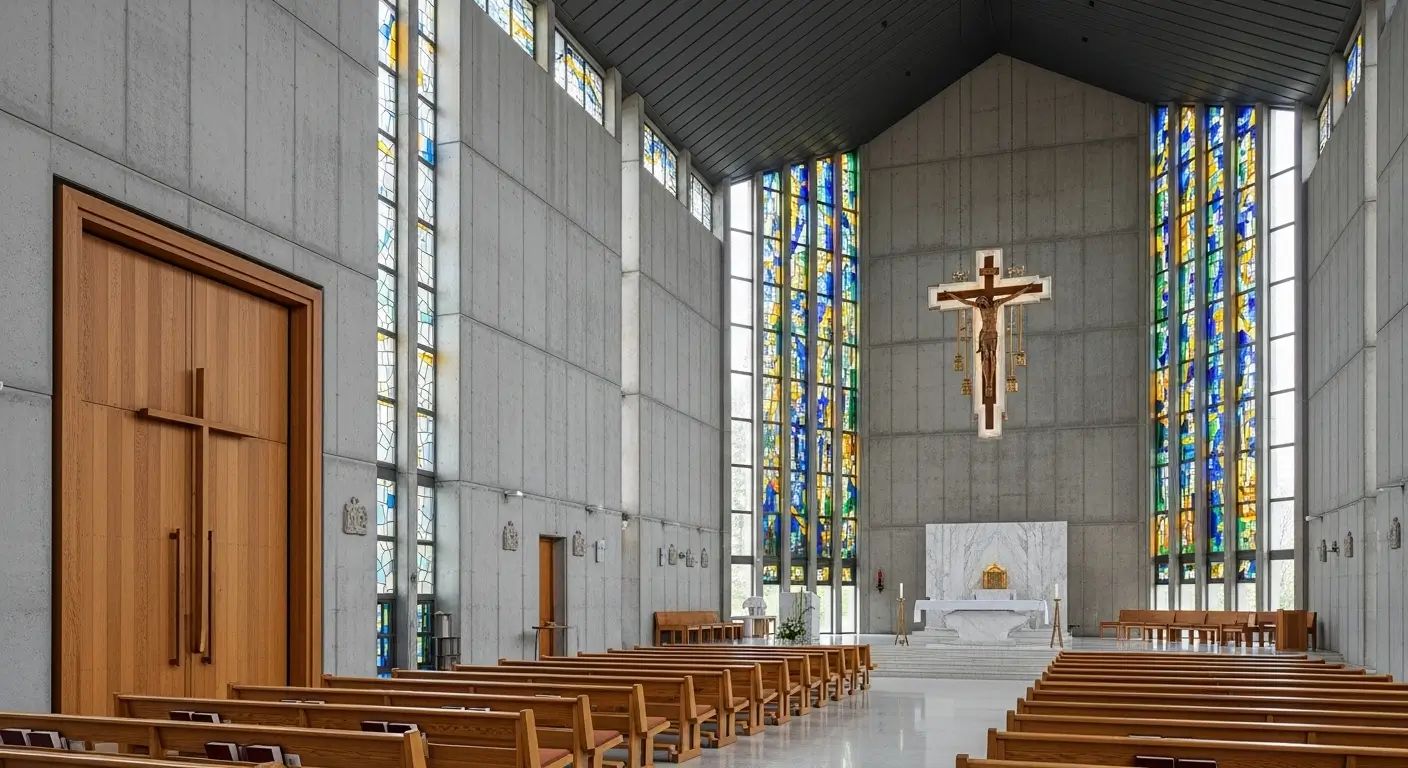
Her body is preserved and venerated in the Basilica of Our Lady of Graces and Saint Maria Goretti in Nettuno, Italy. This basilica is a significant pilgrimage site, drawing countless faithful who come to pray for her intercession and reflect on her inspiring story. Relics of Saint Maria Goretti have also traveled around the world, allowing many to venerate her closer to home.
Various organizations and movements dedicated to promoting chastity and providing support for victims of sexual assault find inspiration in Maria Goretti. She is often invoked as a powerful intercessor for young people facing moral challenges and for families striving to instill Christian values. Her story is frequently told in catechesis and youth ministry as a compelling example of heroic virtue and the beauty of a pure heart. Many individuals and groups offer novenas and special prayers to Saint Maria Goretti, seeking her guidance and intercession in their struggles for holiness and forgiveness.
Reflections for Modern Readers
Saint Maria Goretti’s story, though set over a century ago in rural Italy, offers timeless wisdom for modern readers grappling with the complexities of the 21st century.
- The Courage to Say “No”: In a culture that often pressures individuals to conform, Maria’s unwavering “No!” to sin is a powerful lesson. It reminds us that true strength lies in adhering to our conscience and God’s law, even when it’s difficult or unpopular. For young people navigating social pressures, media influences, and difficult choices, Maria is a reminder that standing firm in one’s convictions is an act of profound courage and self-respect.
- The Power of Forgiveness: Maria’s forgiveness of Alessandro, even in death, is perhaps her most radical and relevant lesson. It challenges us to reflect on our own capacity for mercy. In a world rife with conflict, bitterness, and grudges, Maria invites us to break cycles of hatred by extending forgiveness, not just as an abstract idea, but as a concrete, grace-filled act. Her story, completed by Alessandro’s conversion, illustrates that forgiveness can open the door to healing and transformation for all involved.
- Defending Your Dignity: Maria’s struggle was ultimately about defending her human dignity, a dignity rooted in her identity as a beloved child of God. This resonates deeply today, as discussions around consent, bodily autonomy, and respect for all persons are paramount. Her life teaches us that our dignity is inviolable and worth protecting, and that we are called to respect the dignity of others.
- Finding Strength in Faith Amidst Hardship: Maria’s family faced extreme poverty and the loss of her father. Yet, their faith remained central. Her life shows us that even in the most challenging circumstances, a deep spiritual life can provide the resilience, hope, and moral clarity needed to endure and even triumph. It reminds us not to despair in our struggles but to lean on God’s grace.
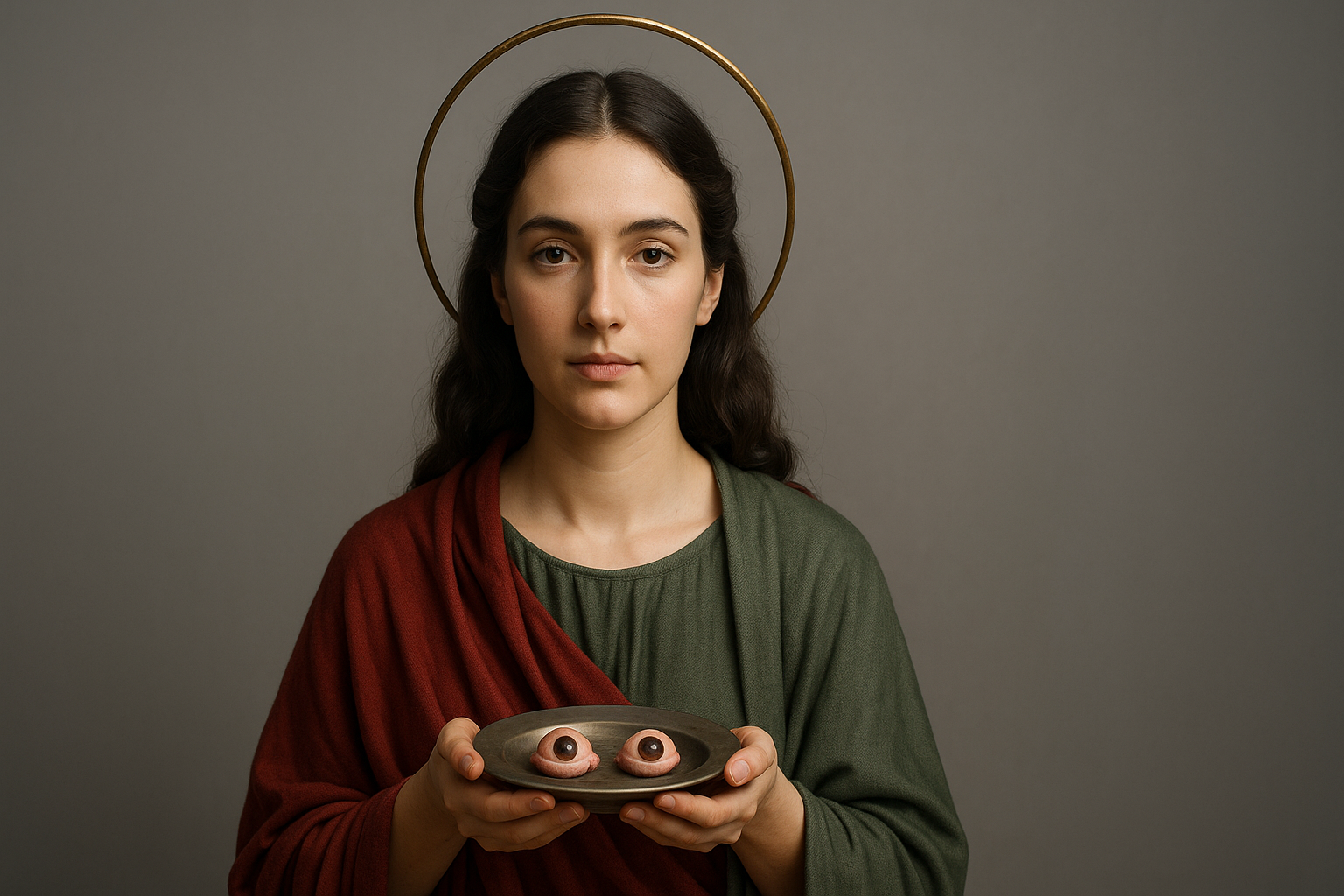
In art and jewelry, Saint Maria Goretti is often depicted in simple peasant clothing, sometimes holding lilies, which symbolize purity and innocence. She may also be shown with a palm branch, a traditional symbol of martyrdom, or with a crucifix, representing her ultimate sacrifice and union with Christ. These symbols are meant to convey her core virtues and the manner of her death, serving as visual reminders of her powerful witness to faith, purity, and forgiveness.
Timeline Summary
- 1890: Born October 16 in Corinaldo, Italy, the third of seven children to Luigi and Assunta Goretti.
- 1896: Her family moves several times, seeking work as tenant farmers.
- 1900: The Goretti family moves to Le Ferriere, near Nettuno, to work on the Mazzoleni farm, sharing a house with the Serenelli family. Her father, Luigi, dies of malaria.
- 1902: May 29, Maria receives her First Holy Communion, a deeply significant event for her.
- 1902: July 5, Alessandro Serenelli attempts to assault Maria, but she resists.
- 1902: July 6, Alessandro fatally stabs Maria when she resists his further attempt at assault.
- 1902: July 6, Maria dies in the hospital after forgiving her attacker and expressing a desire for his salvation.
- 1902: Alessandro Serenelli is arrested and sentenced to 30 years in prison.
- 1910: Alessandro experiences a conversion in prison after a dream of Maria.
- 1929: Alessandro is released from prison and publicly begs forgiveness from Maria’s mother, Assunta. He later becomes a lay brother.
- 1938: The process for Maria’s canonization officially begins.
- 1947: Alessandro Serenelli testifies at the canonization process, confirming Maria’s purity and her forgiveness.
- 1950: June 24, Pope Pius XII canonizes Maria Goretti as a saint in St. Peter’s Square, with her mother Assunta and former attacker Alessandro Serenelli present.
Scripture for Reflection
Maria Goretti’s life beautifully illustrates several biblical passages, especially those focusing on purity and forgiveness.
For Purity and Dignity:
1 Corinthians 6:19-20 (NIV): "Do you not know that your bodies are temples of the Holy Spirit, who is in you, whom you have received from God? You are not your own; you were bought at a price. Therefore honor God with your bodies."
Maria Goretti instinctively understood the sacredness of her body and that it belonged to God, not to be defiled. Her resistance was an act of honoring God with her body, recognizing its inherent dignity as a temple of the Holy Spirit.
For Forgiveness and Love:
Matthew 6:14-15 (NIV): "For if you forgive other people when they sin against you, your heavenly Father will also forgive you. But if you do not forgive others their sins, your Father will not forgive your sins."
Maria’s dying words, forgiving Alessandro, are a profound enactment of Christ’s teaching on forgiveness. Her act of mercy not only offered peace to her own soul but also became the catalyst for Alessandro’s eventual conversion, illustrating the transformative power of forgiveness.
Colossians 3:12-13 (NIV): "Therefore, as God’s chosen people, holy and dearly loved, clothe yourselves with compassion, kindness, humility, gentleness and patience. Bear with each other and forgive one another if any of you has a grievance against someone. Forgive as the Lord forgave you."
Maria Goretti embodied this call to forgiveness in the most extreme circumstances, showing compassion and mercy even when faced with brutality. Her actions serve as a powerful reminder for us to forgive others as Christ has forgiven us, even when it feels humanly impossible.
Prayers to Saint Maria Goretti
Here are some prayers often offered to Saint Maria Goretti:
A Prayer for Purity:
O Saint Maria Goretti, who, strengthened by God’s grace, did not hesitate to shed your blood to safeguard your virginal purity, look mercifully on the human race, which has strayed far from the path of eternal salvation. Inspire in us all a love for purity, humility, and the desire to live a holy life. By your powerful intercession, obtain for us the grace to overcome temptation, to live faithfully according to God’s commandments, and to forgive those who wrong us, so that we may one day share with you in the eternal joy of heaven. Amen.
Prayer for Victims of Violence and for Forgiveness:
Dear Saint Maria Goretti, you who endured suffering and death rather than surrender your purity, we turn to you in our time of need. Look with compassion upon all those who suffer from violence and abuse. Be a comfort and strength to them, and intercede for their healing and peace. You who forgave your attacker with your dying breath, teach us the power of forgiveness, that we may free our hearts from anger and resentment and embrace the mercy of God. Help us to grow in faith, hope, and charity, and to live lives that honor God and inspire others to holiness. Amen.